



Waterproof vs Water-Resistant Drawstring Bag: Key Facts
TL;DR
Most drawstring bags are water-resistant, not waterproof. Water-resistant bags can handle light rain or splashes because their fabric repels water for a short time. Truly waterproof bags provide a complete barrier against moisture, keeping contents dry even if submerged, a feature standard drawstring bags lack due to their materials and unsealed cinch-top closure.
Waterproof vs. Water-Resistant: Understanding the Fundamental Difference
When choosing a bag to protect your belongings, the terms "waterproof" and "water-resistant" are often used interchangeably, but they represent vastly different levels of protection. Understanding this distinction is crucial to avoid a soggy disappointment. At its core, the difference comes down to whether a material creates an impenetrable barrier or simply provides a temporary shield against moisture.
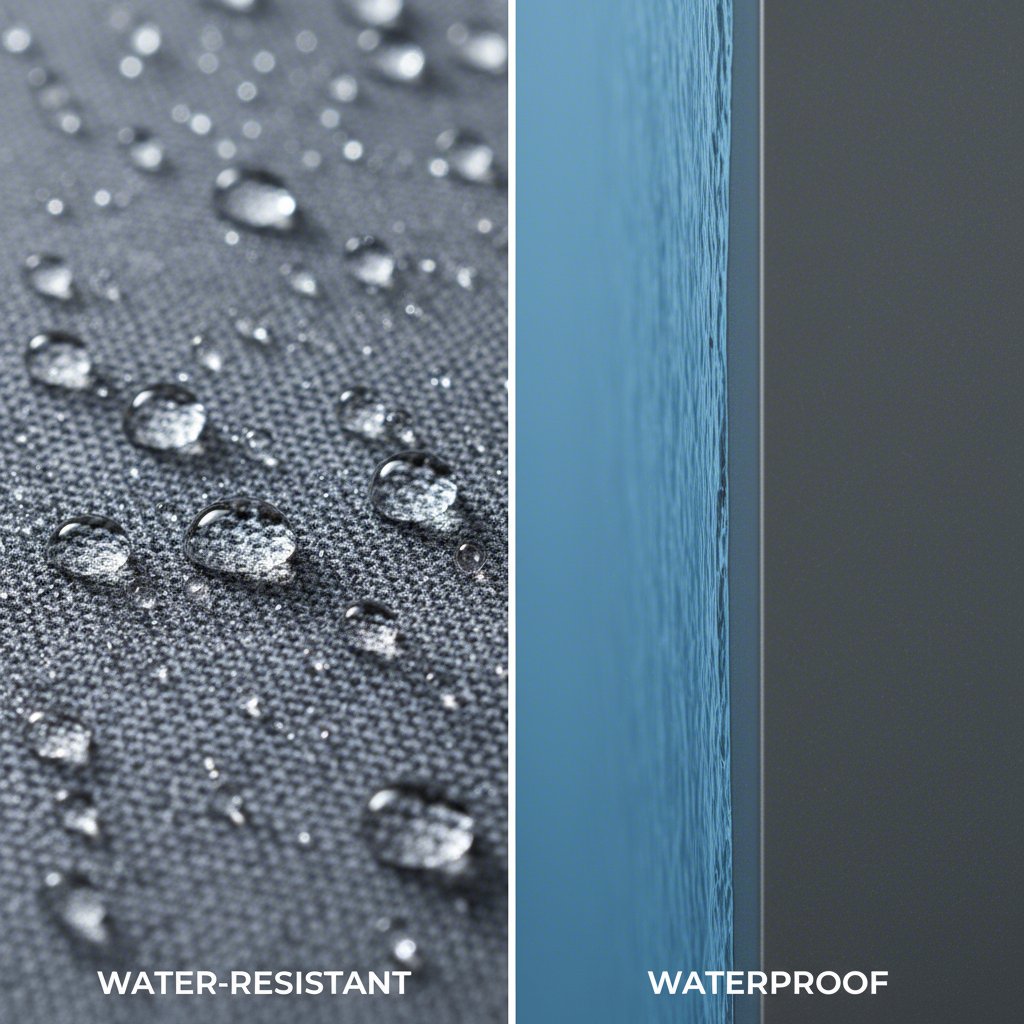
A product labeled as waterproof is designed to be completely impervious to water. Think of it as a total seal. These bags can withstand heavy downpours, sustained exposure to moisture, and in many cases, even full submersion without letting a single drop inside. This high level of protection is achieved through non-porous materials like PVC (polyvinyl chloride) or TPU (thermoplastic polyurethane) and specialized construction techniques. As detailed by Gentle Packing, waterproof bags often feature heat-welded or sealed seams to eliminate the tiny holes left by traditional stitching, along with watertight zippers or roll-top closures that prevent ingress.
On the other hand, water-resistant materials offer a lower level of protection. These fabrics are typically tightly woven, like nylon or polyester, and are often treated with a Durable Water Repellent (DWR) coating. This finish causes water to bead up and roll off the surface rather than immediately soaking in. However, this resistance is finite. Under steady rain or significant pressure, water will eventually saturate the fabric and seep through. Water-resistant bags are ideal for fending off light showers, accidental spills, or morning mist, but they are not built for prolonged or intense exposure to water.
The trade-offs extend beyond just water protection. Waterproof materials, while effective, are often less breathable and flexible. In contrast, water-resistant fabrics provide a more lightweight and pliable alternative, making them more comfortable for everyday use where extreme weather isn't a primary concern. This balance between protection and practicality is a key factor in deciding which type of bag suits your needs.
| Feature | Waterproof Bag | Water-Resistant Drawstring Bag |
|---|---|---|
| Protection Level | Complete barrier; protects against heavy rain and submersion. | Partial shield; protects against light splashes and brief, light rain. |
| Typical Materials | PVC, TPU, vinyl, rubberized fabrics. | Coated polyester, nylon, tightly woven canvas. |
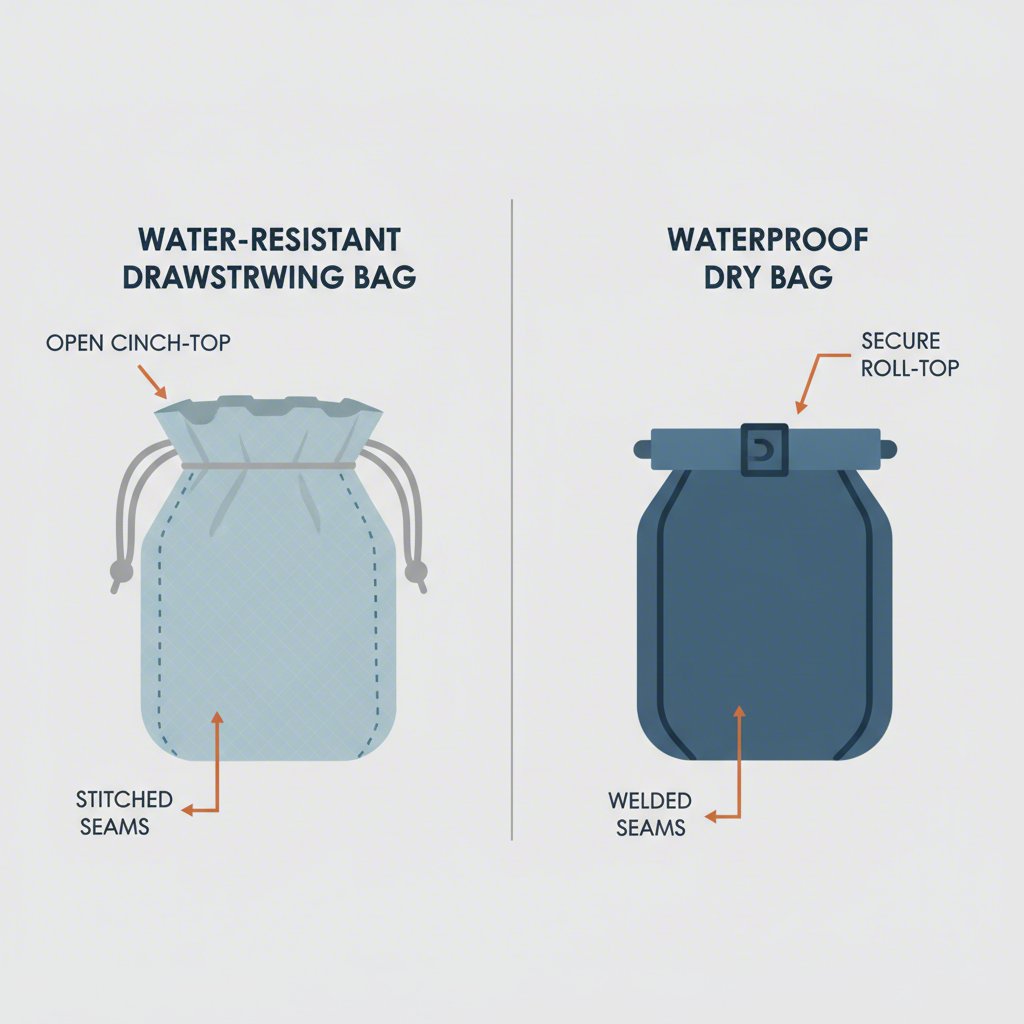
| Seam Construction | Welded or fully taped seams to prevent leaks. | Standard stitched seams, which can allow water ingress. |
| Closure Type | Roll-top, watertight zippers, or sealed closures. | Drawstring (cinch-top) closure, which is not sealed. |
| Best For | Kayaking, boating, hiking in heavy rain, protecting sensitive electronics. | Gym trips, daily commutes, beach days, light travel. |
Are Drawstring Bags Truly Waterproof? Debunking the Myth
To put it directly: no, the vast majority of drawstring bags are not waterproof. They are almost exclusively designed to be water-resistant. While many are marketed with terms that imply weather protection, their fundamental design and materials prevent them from offering the complete seal required to be classified as waterproof. Believing otherwise is a common misconception that can lead to damaged valuables.
There are two primary reasons for this limitation. The first is the material. Most drawstring bags are crafted from man-made fabrics like polyester or nylon. As Tote Bag Factory explains, these materials are naturally water-resistant due to their tight weave, which slows the penetration of water. Many are also treated with a coating to enhance this property. However, they are not inherently impervious to water like the rubberized or laminated fabrics used in true waterproof gear.
The second and more significant flaw is the construction, specifically the closure mechanism. A standard drawstring bag uses a cinch-top closure. While simple and convenient, pulling the strings tight does not create a watertight seal. There will always be gaps and puckers at the top opening, providing an easy entry point for rain, splashes, or any other form of moisture. This design prioritizes quick access and low cost over robust environmental protection.
To understand the difference, it's helpful to compare a typical drawstring bag to a "dry bag," which is designed to be fully waterproof. A dry bag's key feature is its roll-top closure. To seal it, you fold the top edge over on itself several times and then buckle it shut, creating a physical barrier that water cannot bypass. Combined with welded seams, this design ensures the contents remain dry even if the bag is dropped in a lake. A drawstring bag simply cannot offer this level of security.
Choosing the Right Bag: Matching Protection to Your Needs
The decision between a water-resistant drawstring bag and a truly waterproof bag comes down to your specific activities and the environment you'll be in. Choosing the right one means you get the protection you need without paying for features you won't use. It’s a practical balance of risk, convenience, and cost.
A water-resistant drawstring bag is the perfect companion for many everyday situations. Its lightweight, simple, and affordable design makes it an excellent choice for low-risk activities where you might encounter minimal moisture. Consider opting for a water-resistant bag for:
Gym and Sports: Ideal for carrying clothes, a towel, and a water bottle, protecting them from sweaty gear or a light drizzle on the way to your car.
Daily Commutes: Sufficient for short walks to the bus stop or from the parking lot, shielding your lunch and essentials from an unexpected light shower.
Casual Outings: Perfect for trips to the beach, park, or a music festival where you need a simple bag for sunscreen, snacks, and a light jacket.
In contrast, a truly waterproof bag (like a dry bag or a specialized waterproof backpack) is essential when keeping your gear dry is non-negotiable. These bags are built for harsh conditions and activities where significant water exposure is likely or certain. You should invest in a waterproof bag for:
Water Sports: A must-have for kayaking, canoeing, paddleboarding, or boating to protect electronics, a change of clothes, and other valuables from submersion.
Serious Hiking and Camping: Invaluable when trekking in rainy climates or on multi-day trips where wet gear can be uncomfortable and even dangerous.
Protecting Sensitive Items: The only safe choice for carrying expensive cameras, laptops, important documents, or medication in wet environments.
For organizations looking to source custom bags for events, teams, or promotional purposes, matching the bag's features to its intended use is key. Suppliers like Bincai Import and Export Co., LTD specialize in creating bespoke sewing products, including custom drawstring bags, allowing for tailored designs and logos on bulk orders that meet specific functional requirements.
Ultimately, ask yourself a few simple questions: What are my activities? What is the worst-case weather scenario I might face? How critical is it that my bag's contents stay completely dry? Your answers will point you directly to the right choice.
Frequently Asked Questions
1. What is the difference between waterproof and water resistant bags?
The primary difference is the degree of protection. A waterproof bag provides a complete barrier to water and can be submerged without leaking, thanks to materials like PVC and welded seams. A water-resistant bag can only repel light moisture like splashes or brief, light rain for a limited time before the fabric becomes saturated.
2. Do I need a waterproof or water resistant bag?
It depends on your activity. For everyday use like commuting or going to the gym where you might encounter a light shower, a water-resistant bag is usually sufficient, more lightweight, and affordable. For activities like kayaking, boating, or hiking in heavy rain where your bag could be submerged or exposed to intense moisture, you need a truly waterproof bag to protect your belongings.


 Send Email
 售前客服
售前客服 Skype
Skype WhatsApp