



Jute vs Cotton Drawstring Bags: Which Is Right for You?
TL;DR
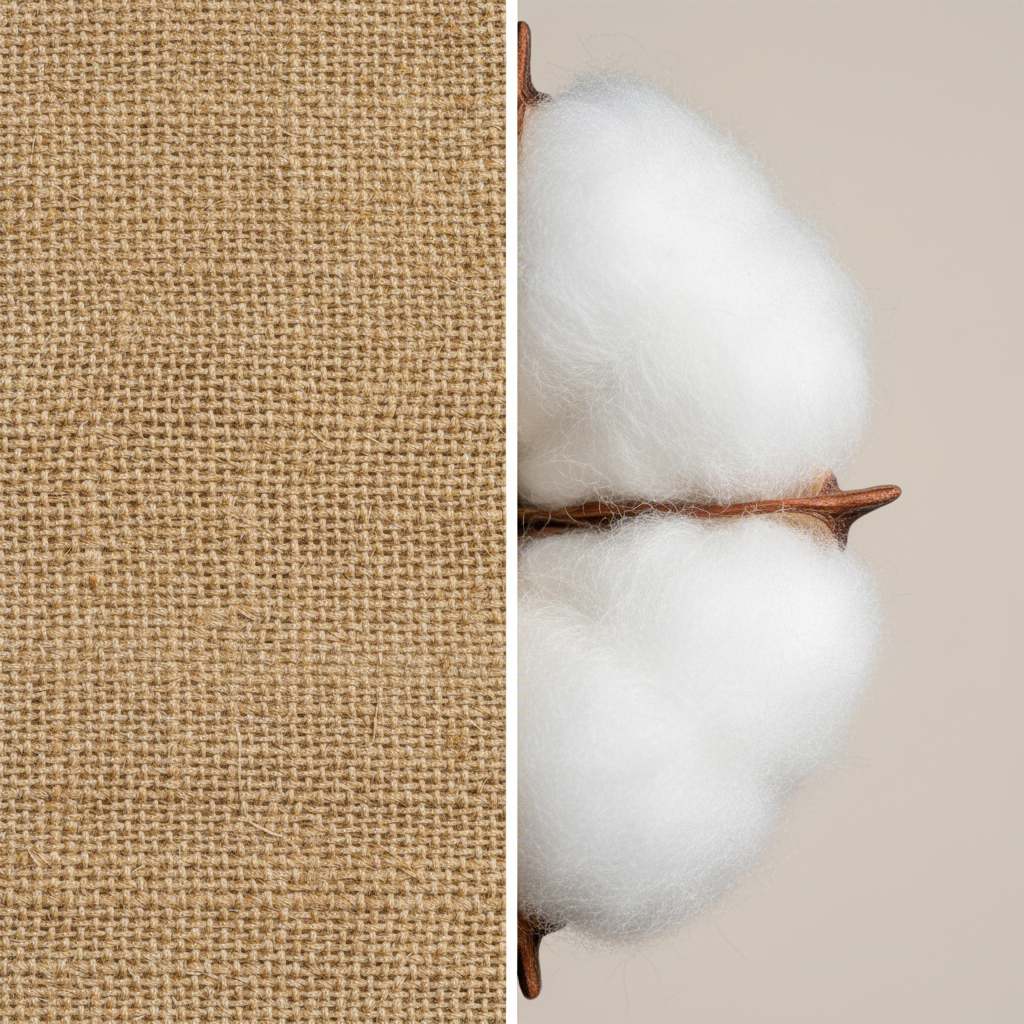
When choosing between jute vs cotton drawstring bags, the decision hinges on your primary need. Jute bags are exceptionally durable, rugged, and eco-friendly, making them the superior choice for carrying heavy items or for rustic-themed events. In contrast, cotton drawstring bags are significantly softer, more flexible, and easier to customize, positioning them as the ideal option for lighter, everyday use and promotional branding.
Head-to-Head Comparison: Jute vs. Cotton At a Glance
Understanding the fundamental differences between jute and cotton can help you make a quick, informed decision. Both are natural, plant-based fibers that offer a sustainable alternative to plastic, but their characteristics cater to very different applications. Jute, derived from the stalk of the Corchorus plant, is known for its coarse, strong fibers, while cotton, from the Gossypium plant, is prized for its soft and fluffy texture.
This table breaks down the essential attributes of each material to provide a clear, side-by-side comparison. Use this as a quick reference guide to see how they stack up in the areas that matter most to you, from sheer strength to environmental footprint.
| Feature | Jute Drawstring Bags | Cotton Drawstring Bags |
|---|---|---|
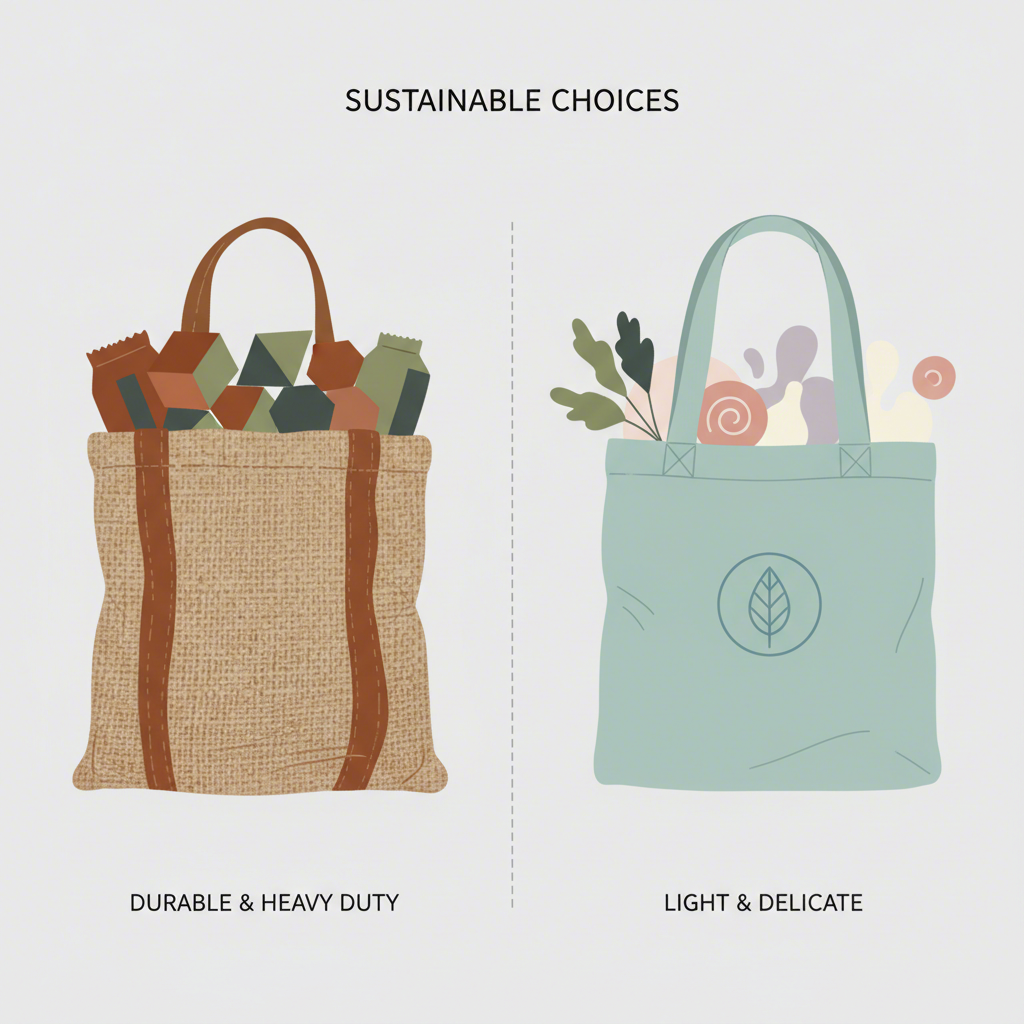
| Durability | Very high; excellent for heavy loads and rough handling. | Moderate; best for lighter, everyday items. |
| Texture & Feel | Coarse, rough, and rustic. | Soft, smooth, and flexible. |
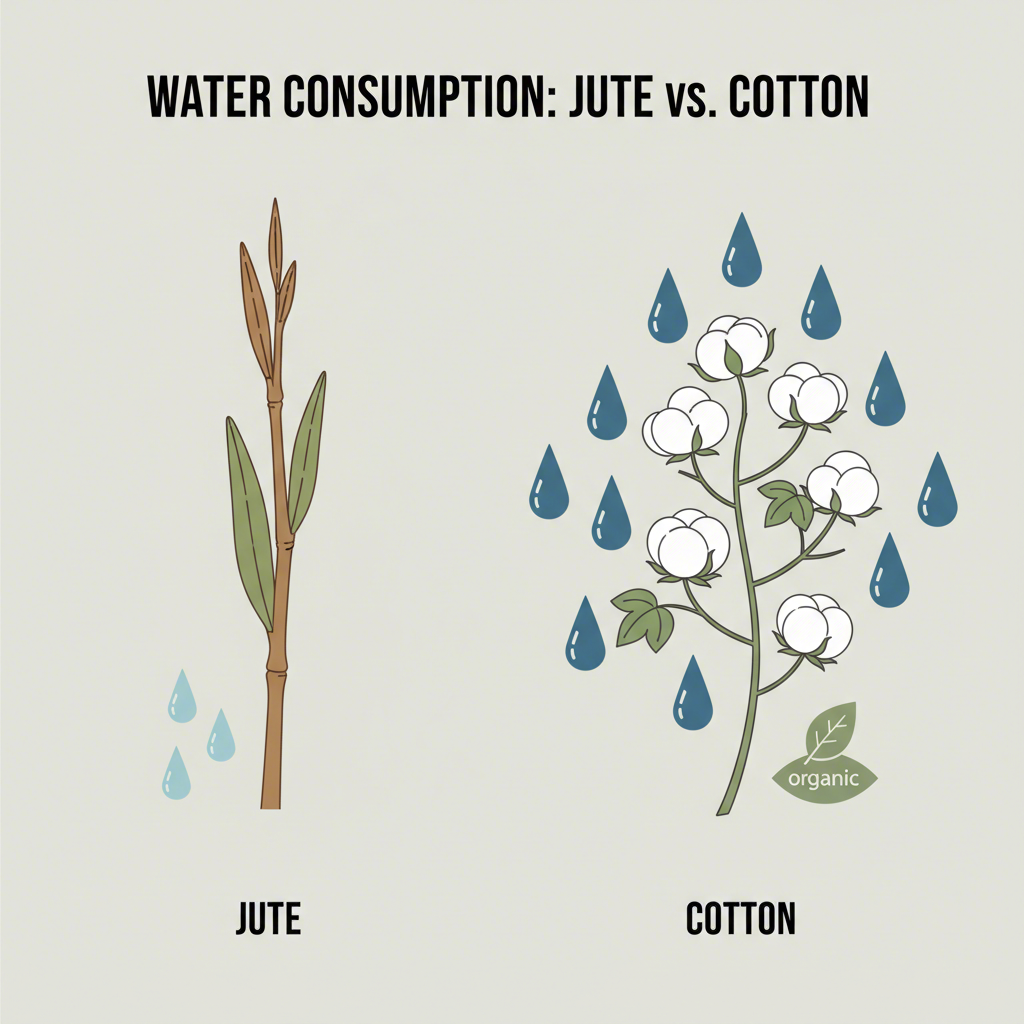
| Eco-Friendliness | Highly sustainable; requires less water and pesticides, fast-growing, and biodegradable. | Sustainable, but conventional cotton is water and pesticide-intensive. Organic cotton is a greener choice. |
| Absorbency | High absorbency; prone to retaining moisture. | High absorbency. |
| Ideal Use Cases | Grocery shopping, carrying heavy items, agricultural bags, rustic-themed gift packaging. | Promotional giveaways, party favors, jewelry pouches, everyday personal use. |
Deep Dive: The Case for Jute Drawstring Bags
Jute, often called burlap, is a long, soft, shiny vegetable fiber that can be spun into coarse, strong threads. Its reputation as a workhorse material is well-deserved. The inherent strength of jute fibers makes these bags incredibly resilient, capable of handling significant weight without tearing. This toughness is why jute is traditionally used for gunny sacks and other industrial packaging designed to transport heavy goods.
The aesthetic of jute is another of its defining features. Its natural, earthy tones and textured weave lend a rustic and organic charm that is difficult to replicate. This makes jute drawstring bags a popular choice for eco-conscious brands, farm shops, and events with a vintage or natural theme. They provide a sense of authenticity and a connection to nature that polished, synthetic materials lack.
However, jute is not without its limitations. Its ruggedness comes with a coarse texture that isn't always suitable for detailed printing or for packaging very delicate items. Furthermore, jute bags are susceptible to shrinking and can become stiff if exposed to excessive moisture or improper washing. They are best cared for by spot cleaning or gentle hand washing to maintain their shape and integrity.
Pros
Exceptional Durability: Capable of carrying heavy loads and withstanding rough use.
Highly Eco-Friendly: Jute is a rain-fed crop that requires minimal water, fertilizer, or pesticides to grow.
Cost-Effective: Generally an affordable material, especially when purchased in bulk.
Breathable: The weave allows for air circulation, which is beneficial for carrying produce.
Cons
Rough Texture: The coarse surface can be abrasive and is not ideal for high-detail printing.
Moisture Sensitive: Can shrink or lose shape when wet and may retain odors if not dried properly.
Limited Customization: The natural color and rough texture can limit design and dye options.
Deep Dive: The Case for Cotton Drawstring Bags
Cotton is a staple fiber known globally for its softness, versatility, and comfort. When used for drawstring bags, these qualities translate into a product that is lightweight, flexible, and pleasant to the touch. Unlike the rigid structure of jute, a cotton bag can be easily folded and stored, making it a convenient option for on-the-go use. Its smooth surface provides a clean, simple aesthetic that works well for a wide range of applications, from casual totes to elegant gift packaging.
One of cotton's greatest strengths is its suitability for customization. The fine, even weave of cotton fabric creates an excellent canvas for various printing methods, including screen printing and digital printing. This allows for intricate logos, detailed designs, and vibrant colors to be reproduced with clarity. As a result, cotton drawstring bags are a top choice for promotional merchandise, corporate giveaways, and branded packaging. For businesses looking to source custom bags, specialized suppliers can be invaluable. For instance, Bincai Import and Export Co., LTD offers extensive experience in creating bespoke sewing products, helping companies add logos and unique designs to bulk orders of drawstring bags and other promotional items.
The primary drawback of cotton lies in its durability and environmental footprint. While perfect for light items, cotton bags are not as robust as jute and may struggle under the strain of heavy or sharp objects. Additionally, conventional cotton farming is known to be resource-intensive, requiring significant amounts of water and pesticides. To address this, consumers can seek out bags made from organic cotton, which is grown using more sustainable methods.
Pros
Soft and Flexible: Comfortable to carry and easy to store.
Excellent for Printing: The smooth surface is perfect for detailed logos and colorful designs.
Versatile: Suitable for a wide variety of uses, from party favors to retail packaging.
Easy to Clean: Most cotton bags are machine washable, making them simple to maintain.
Cons
Less Durable: Not as strong as jute and less suitable for heavy-duty applications.
Environmental Concerns: Conventional cotton production has a high water and pesticide footprint.
High Absorbency: Can easily soak up moisture, which may not be ideal for all contents.
The Environmental Impact: Which Bag Is Truly Greener?
When comparing jute and cotton, both are clear winners over single-use plastic bags. As natural, plant-based fibers, they are biodegradable and come from renewable resources. However, when examined more closely, their environmental credentials differ significantly, primarily due to their cultivation processes. Choosing the greener option depends on understanding these nuances.
Jute is often celebrated as an environmental champion. It is a fast-growing crop that requires remarkably little water, often relying on natural rainfall. It also needs minimal intervention in the form of fertilizers or pesticides. Furthermore, the jute plant absorbs a large amount of carbon dioxide from the atmosphere, contributing to cleaner air. As a material, it biodegrades relatively quickly, returning to the earth without leaving harmful residues. These factors combine to give jute a very low environmental footprint from farm to fiber.
Conventional cotton, on the other hand, presents a more complex picture. It is one of the most water-intensive crops in the world and is often grown with heavy use of pesticides and insecticides, which can degrade soil quality and pollute waterways. However, the cotton industry has made strides toward sustainability. The availability of organic cotton, which is grown without synthetic pesticides and with more efficient water management, offers a much greener alternative. When choosing a cotton bag, opting for one made from certified organic cotton significantly closes the environmental gap with jute.
While both materials are far superior to synthetic options like polyester, which is derived from petroleum and is not biodegradable, jute generally holds the edge in sustainability. For the most eco-conscious choice, untreated jute is a clear frontrunner. If the softness and printability of cotton are essential, seeking out certified organic cotton is the most responsible path.
Making the Right Choice for Your Needs
Ultimately, the debate of jute vs cotton drawstring bags isn't about which material is universally better, but which is better for your specific purpose. By aligning the material's strengths with your needs, you can select a bag that is both functional and responsible. Your decision should be guided by three key factors: intended use, aesthetic preference, and environmental priority.
If your primary need is strength and durability for tasks like grocery shopping or carrying heavy books, jute is the undeniable winner. Its robust fibers are built to withstand wear and tear. If you are planning a rustic-themed wedding or event, the natural, earthy look of a jute bag will complement your aesthetic perfectly. Conversely, if your bag will be used for promotional giveaways where a crisp logo is essential, or as a soft pouch for delicate items like jewelry, cotton's smooth finish and print-friendly surface make it the superior choice.
Consider the complete lifecycle and your priorities. If minimizing your environmental impact is the most important factor, jute's low-input farming process makes it an outstanding choice. If convenience and care are more important, the machine-washable nature of cotton might be more appealing. By weighing these practical considerations, you can confidently choose the drawstring bag that best serves its purpose while aligning with your values.
Frequently Asked Questions
1. Why are gunny bags made of jute rather than cotton?
Gunny bags are primarily used for transporting heavy agricultural products like grains and produce. Jute is chosen for this purpose because its coarse, strong, and loosely woven fibers provide exceptional durability and breathability at a very low cost, making it far more suitable for heavy-duty transport than the softer, less rugged cotton fibers.
2. What are most drawstring bags made of?
Drawstring bags are made from a wide variety of materials to suit different needs and budgets. Besides jute and cotton, common materials include canvas (a heavier-weight cotton), nylon, and polyester for athletic or durable bags, and burlap for a rustic look. The choice of material typically depends on the intended use, whether for sports, promotion, or packaging.
3. What are the disadvantages of jute bags?
The main disadvantages of jute bags include their rough texture, which can be abrasive and isn't ideal for fine-detail printing. They are also susceptible to shrinking or losing their shape if they get wet and can retain moisture and odors if not dried properly. Lastly, their design options can be limited compared to smoother fabrics like cotton.
4. What material is used for drawstring bags?
A variety of materials are used for drawstring bags. Natural fibers like cotton, canvas, and jute are popular for their eco-friendly properties. Synthetic materials like nylon and polyester are often used for gym or sports bags because they are lightweight, durable, and water-resistant. The best material depends on the bag's intended function.


 Send Email
 售前客服
售前客服 Skype
Skype WhatsApp