



Pack the Perfect Middle School Pencil Pouch: Key Essentials
TL;DR
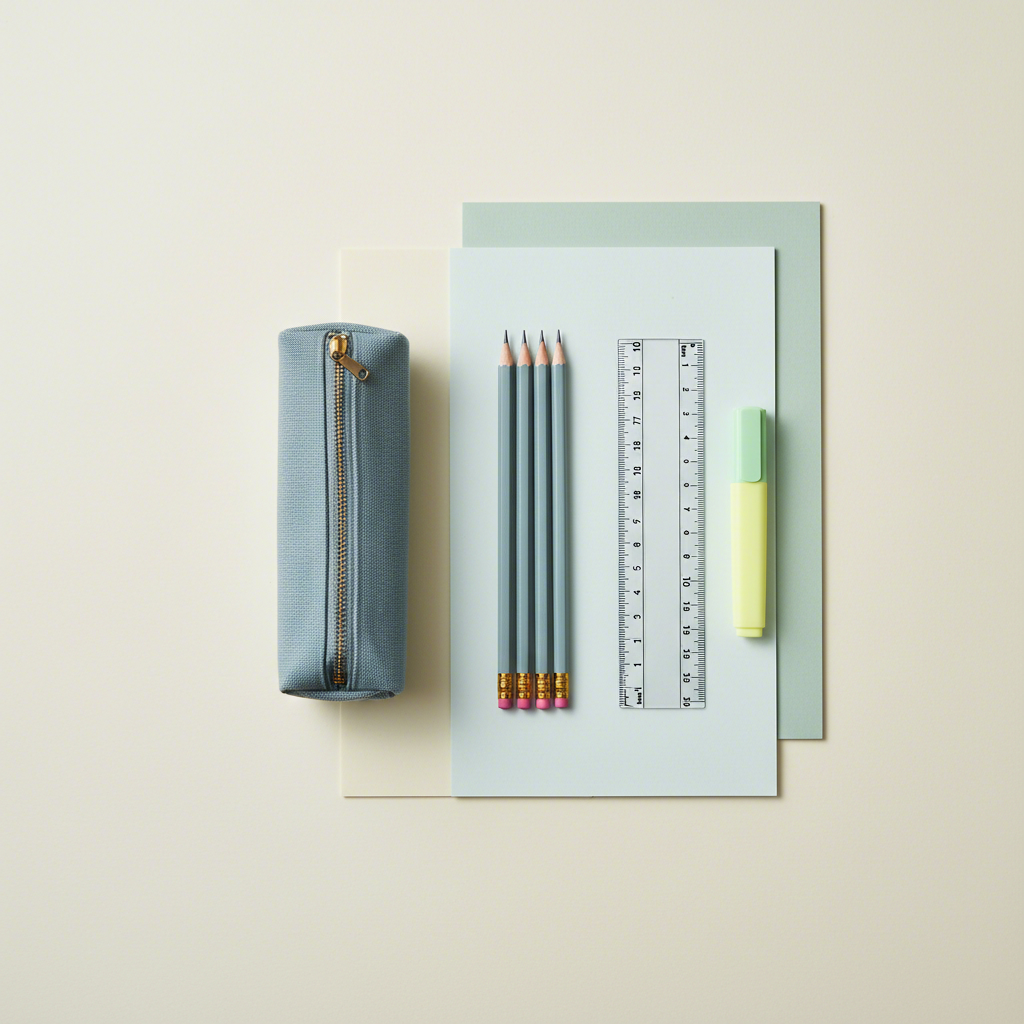
To pack the perfect middle school pencil pouch, start with the absolute essentials: at least two pencils, pens in black, blue, and red, a reliable eraser, a sharpener, and a highlighter. A small ruler that fits inside the case is also a must-have. While these items cover daily needs, remember that specific classes like geometry or art will require additional tools such as a protractor, compass, or colored pencils.
The Core Essentials: Writing and Correction Tools
Building a functional pencil pouch begins with the fundamental tools for writing and making corrections. These are the items a middle schooler will reach for in nearly every class, every day. The non-negotiables include graphite pencils, a variety of colored pens, and effective correction supplies. Having a reliable set of these basics ensures students are always prepared to take notes, complete assignments, and participate in class activities without interruption.
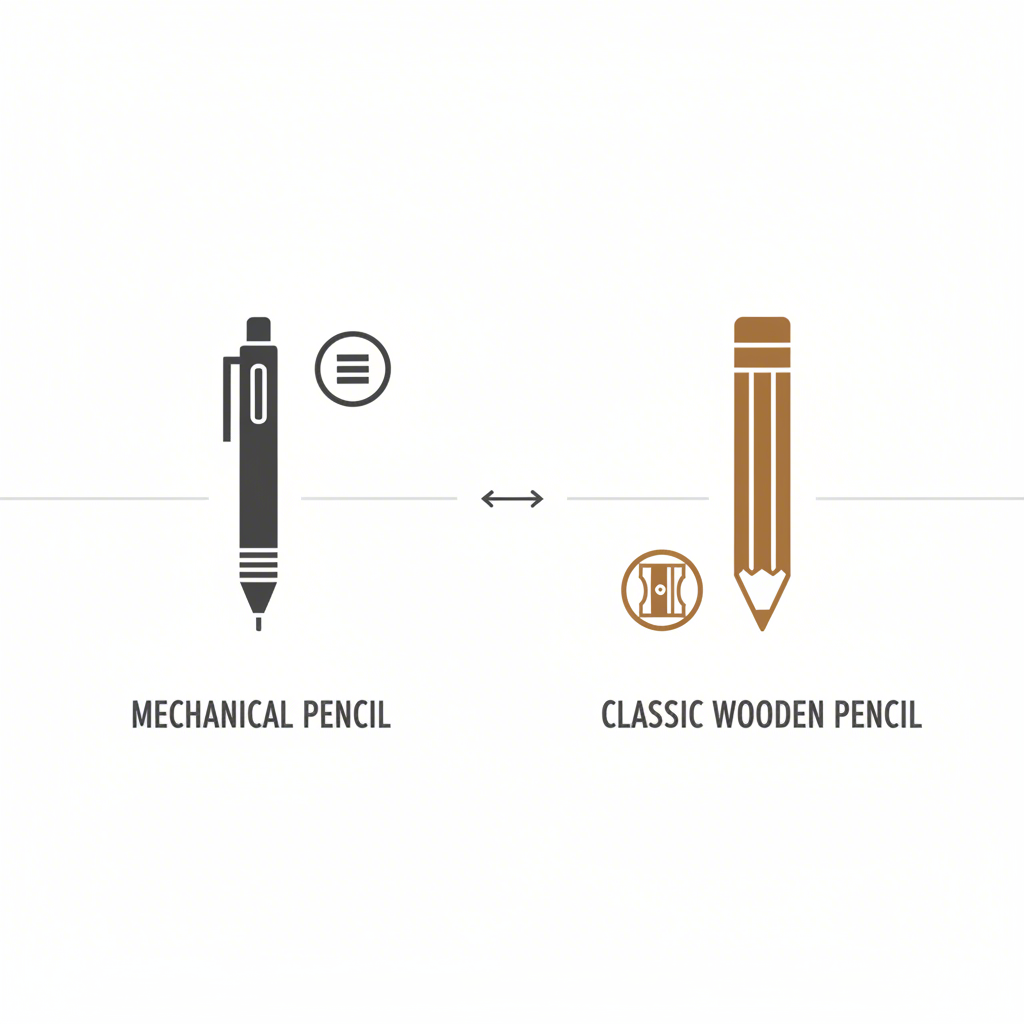
According to a helpful back-to-school guide from the DoorDash blog, it's wise to stock up on both wooden and mechanical pencils. Wooden pencils are classic and dependable, while mechanical pencils offer consistent line width and eliminate the need for a sharpener during class. Pens in multiple colors—typically black, blue, and red—are crucial for annotating texts, peer editing, and organizing notes. Red pens are often required for corrections, while blue or black is standard for assignments.
No writing toolkit is complete without correction supplies. A high-quality eraser that doesn't smudge is essential for keeping work neat. For pencil users, this might be a block eraser or a pen-style clickable eraser. A small, durable pencil sharpener, preferably one that contains shavings, prevents messes and keeps wooden pencils ready for use. Regularly checking ink levels in pens and lead in mechanical pencils is a simple habit that prevents the frustration of running out of supplies mid-sentence.
| Feature | Mechanical Pencils | Wooden Pencils |
|---|---|---|
| Consistency | Provides a consistent, fine line without sharpening. | Line width varies with sharpness; requires regular sharpening. |
| Convenience | No sharpening needed; just click for more lead. | Requires a sharpener and can create shavings. |
| Upfront Cost | Higher initial cost, plus ongoing cost of lead refills. | Lower initial cost per pencil. |
| Durability | Can last a long time, but internal mechanisms can break. | Simple and durable, but gets shorter with use. |
Beyond the Basics: Tools for Math, Science, and Art
Once the writing essentials are covered, it's time to consider the specialized tools required for specific middle school subjects. Classes like math, science, and art often demand more than just a pen and pencil. Being prepared with these items ensures a student can fully participate in hands-on activities, from measuring angles in geometry to cutting out diagrams for a science project. A well-stocked pencil case anticipates these needs, preventing last-minute scrambles for required equipment.
A comprehensive guide on packing a school pencil case emphasizes several key items for these subjects. A ruler (6-inch or 15-cm) is fundamental for drawing straight lines and measuring. For geometry, a protractor for measuring angles and a compass for drawing circles are non-negotiable. It's also wise to include a pair of small, 5-inch scissors and a glue stick, which are useful across multiple subjects for projects and interactive notebooks. Some schools, like the one mentioned in this equipment list for Year 7 students, also require colored pencils for diagrams and maps.
Here is a quick breakdown of tools by subject:
Math: Ruler, protractor, compass, and a calculator. Always check with the teacher for the specific type required (basic vs. scientific).
Science: Scissors, glue stick, and occasionally colored pencils for diagrams.
Art: A wider array of colored pencils, markers, and a good eraser.
A crucial pro-tip for all these items is to label everything with the student's name. Smaller tools like protractors, compasses, and calculators are easily misplaced or accidentally borrowed. A simple label can save a lot of confusion and ensure expensive items make their way back to the rightful owner.
Boosting Organization and Study Skills
A pencil pouch can be more than just a container for writing tools; it can be a portable kit for better study habits. Including supplies that help with organization and active learning can transform how a middle schooler engages with their class material. These tools enable students to categorize information, highlight key concepts, and make important notes, which are all crucial skills for academic success.
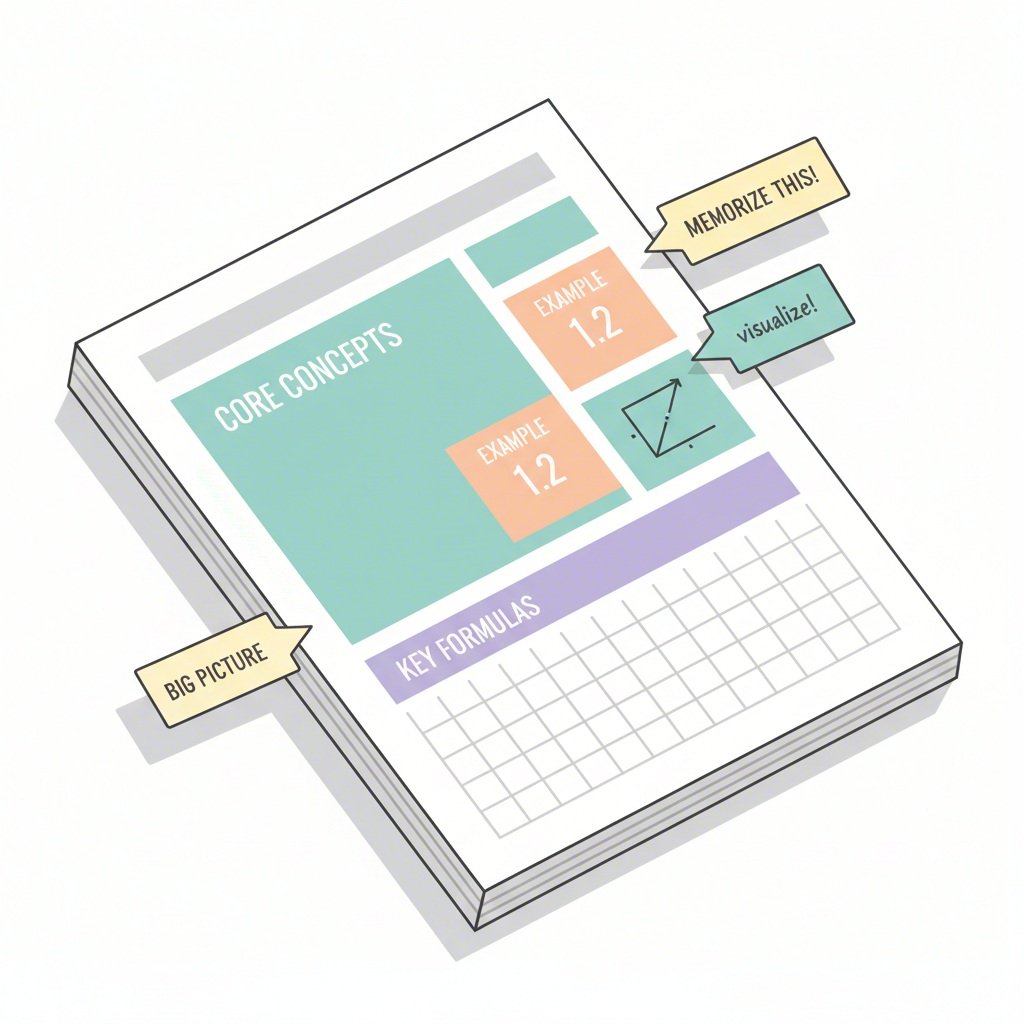
Highlighters are a cornerstone of effective studying. The DoorDash blog suggests using different colors to create a system for notes. For example, one color can be for key vocabulary, another for important dates, and a third for main ideas. This color-coding makes information easier to find and review when preparing for a test. Similarly, small sticky notes or page flags are invaluable for marking important pages in textbooks without writing in them, allowing students to add questions or summaries right where they're needed.
Having these organizational tools readily available in a pencil case encourages their immediate use during class. Instead of waiting to organize notes at home, a student can highlight and flag information as the teacher is presenting it. This proactive approach reinforces learning in real-time. Here’s a simple way to start color-coding notes:
Assign a Purpose: Decide what each color will represent. For example, in history class: Yellow for dates, Pink for key people, and Blue for major events.
Be Consistent: Stick to your color system across all your notes for that subject. Consistency is key to making the system work for you.
Highlight Sparingly: Only highlight the most important phrases or keywords. Highlighting entire sentences can be counterproductive and make notes harder to read.
Review Actively: When studying, use your color-coded notes to quickly quiz yourself on the different categories of information.
Choosing the Perfect Pouch: Form and Function
The pencil pouch itself is just as important as its contents. The right case keeps supplies organized, protected, and easy to access. With countless styles available, the choice can feel overwhelming. However, by focusing on a few key factors like size, material, and internal organization, students and parents can find a pouch that perfectly suits their needs and withstands the rigors of a school year.
As detailed in a guide from NotebookTherapy, it's essential to first consider what you need to carry. A student with basic supplies might prefer a slim, minimalist pouch, while an art student will need a large-capacity case. Some popular styles include soft fabric pouches, durable hard-shell cases, and binder pouches with 3-hole punches that fit directly into a binder. Cases with multiple compartments are excellent for keeping small items like erasers and lead refills from getting lost at the bottom.
Material choice impacts both durability and maintenance. A nylon pouch is often recommended for being strong and easy to clean, while canvas offers a classic look. For organizations or schools looking to purchase in bulk, some suppliers offer specialized options. For instance, companies like Bincai International provide custom mesh pencil pouches that are durable and can be branded with a logo, making them a great choice for promotional events or student welcome kits.
| Material | Pros | Cons |
|---|---|---|
| Nylon/Polyester | Durable, water-resistant, easy to clean, flexible. | Can feel generic; lower-quality versions may fray. |
| Canvas | Strong, classic aesthetic, often machine washable. | Can stain easily, may not be water-resistant. |
| Hard Plastic | Offers excellent protection for contents, easy to wipe clean. | Inflexible (can't overstuff), may crack if dropped. |
| Mesh | Lightweight, allows you to see contents easily. | Less protection against sharp objects, can tear. |
Before buying, ask yourself these questions: How many items do I need to carry? Do I prefer separate compartments for organization? Does it need to fit inside my binder? Answering these will help narrow down the options and lead to the perfect choice.
Frequently Asked Questions
1. What are school supplies for middle school?
Beyond the pencil pouch, typical middle school supplies include 3-ring binders for different subjects, loose-leaf paper, a planner to track assignments, folders, and often a school-provided laptop or tablet with headphones. Organizational tools like accordion file folders and labels are also highly recommended to help students manage their increased workload.
2. What does a year 7 need in their pencil case?
A Year 7 student (the equivalent of 6th grade in the US) needs a well-stocked pencil case with the essentials. This typically includes at least two blue or black pens, a red and a green pen for marking, a pencil, an eraser, a pencil sharpener, a 15cm ruler, a protractor, a pair of compasses, a glue stick, and a set of coloring pencils.


 Send Email
 售前客服
售前客服 Skype
Skype WhatsApp