



Thick vs Thin Cord Drawstring Bag: Which Is Right for You?
TL;DR
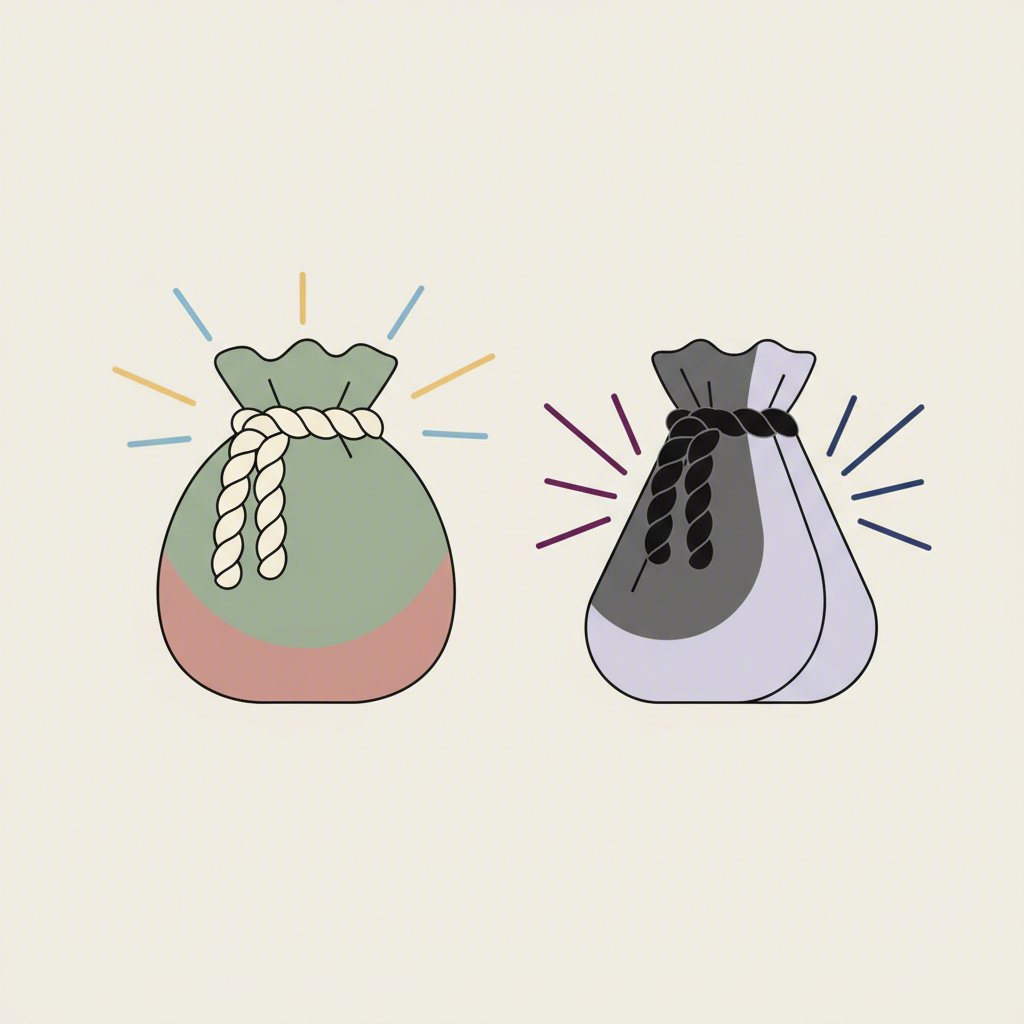
Choosing between a thick vs. thin cord for a drawstring bag comes down to a simple trade-off between comfort and capacity. Thick cords are significantly more comfortable for carrying heavier items as they distribute weight across your shoulders. Thin cords are suitable for lightweight contents like gym clothes or promotional items but can dig into your skin and cause discomfort when the bag is heavy.
Thick vs. Thin Cords: The Core Trade-off in Comfort and Functionality
The drawstring cord is the functional heart of the bag, serving as both the closure and the straps. The decision between a thick or thin cord directly impacts the bag's usability, comfort, and suitability for its intended purpose. The fundamental difference lies in how each type handles pressure when the bag is loaded. Thin cords concentrate weight onto a small surface area, which can cause them to dig into your shoulders and hands, leading to discomfort and even pain with heavier loads. This is a common drawback noted by users and manufacturers alike.
Conversely, thick cords operate on the same principle as the wide, padded straps on a traditional backpack. By increasing the surface area, they distribute the bag's weight more evenly, significantly reducing pressure points and enhancing carrying comfort. This makes bags with thicker cords the superior choice for carrying anything with substantial weight, such as books, a water bottle, or sports equipment. The improved comfort encourages longer use and transforms the bag from a simple pouch into a more functional light-duty backpack.
While a thick cord excels in comfort, it can add slight bulk and may not cinch as tightly or quickly as a very thin string. However, for most applications, this is a minor inconvenience compared to the significant gain in comfort. The choice ultimately depends on the bag's expected contents and size. For a small bag holding a single pair of shoes, a thin cord is perfectly adequate. For a medium or large gym or day-trip bag, a thicker cord is essential for a positive user experience.
| Feature | Thick Cords | Thin Cords |
|---|---|---|
| Comfort | High. Distributes weight evenly, preventing cords from digging into shoulders. | Low. Concentrates weight, often causing discomfort or pain with heavy loads. |
| Best Use Case | Gym bags, school bags, day packs, or any bag carrying more than a few pounds. | Promotional giveaways, shoe bags, gift pouches, or bags for very lightweight items. |
| Durability | Generally higher, as the thicker material can withstand more friction and tension. | Varies by material, but can be prone to fraying or snapping under heavy strain. |
| Aesthetics | Often looks more substantial and higher quality. | Can look basic or inexpensive, depending on the material. |
Actionable Checklist:
Choose a thick cord if: You plan to carry the bag for extended periods, the contents weigh more than 2-3 pounds (e.g., books, water bottle, full change of clothes), or comfort is your top priority.
Choose a thin cord if: The bag is for a one-time event, will only hold very light items (like a t-shirt or pamphlets), or budget is the primary consideration over comfort.
Beyond Thickness: How Cord Material Impacts Performance
While thickness is crucial for comfort, the material of the cord itself defines its durability, feel, and overall performance. Different materials offer distinct advantages, and matching the right material to the bag's function is key to making an informed choice. From cost-effective synthetics to soft natural fibers, each has its place.
Synthetic materials like polyester, nylon, and polypropylene (PP) are extremely common in drawstring bags for good reason. As detailed by bag specialists at Yanxinbag, polyester is prized for its durability, resistance to wrinkles, and vibrant color retention, making it ideal for sports or event bags. Nylon offers superior strength and abrasion resistance, perfect for bags that will see frequent, heavy use.
On the other hand, natural fibers provide a different aesthetic and tactile experience. Cotton is soft, skin-friendly, and has a premium feel, making it an excellent choice for retail packaging or high-quality daily bags. Canvas, a heavier-weight cotton fabric, offers enhanced durability and structure. For a more luxurious or decorative touch, other materials come into play. As noted by Eco Faith Bags, silk ribbons can be used as drawstrings, offering a wide, flat surface perfect for printing logos and creating an elegant bow closure, ideal for jewelry or gift bags.
Common Cord Materials Compared:
Cotton: Soft and comfortable against the skin. Best for bags where a premium, natural feel is desired.
Polyester & Nylon: Highly durable, moisture-resistant, and strong. The top choice for gym, sports, and outdoor-use bags.
Polypropylene (PP): Very cost-effective with a huge color variety. The standard for mass-produced promotional bags.
Twist Rope: Often made from multiple strands of yarn, allowing for variable thickness and an elegant, textured look suitable for high-quality bags.
Silk Ribbon: Offers a wide, flat profile for a unique aesthetic and branding opportunities. Best for luxury gift or product packaging.

Choosing the Right Bag: Durability, Size, and Design Features
A great drawstring bag is more than just its cord. The bag's overall construction, size, and additional features determine its true functionality and longevity. To make the best choice, you must consider how these elements work together to meet your specific needs. Durability, for instance, often comes from features like reinforced bottom corners, which prevent the grommets from tearing out under strain—a common failure point in cheaper bags.
Sizing is another critical factor. A bag that's too small is useless, while one that's too large can be cumbersome. According to a guide from Gentle Packing, drawstring bags generally fall into three standard size categories. Small bags (around 4" x 6") are perfect for jewelry or party favors. Medium bags (around 10" x 12" to 12" x 16") are the most versatile, ideal for shoes or event giveaways. Large bags (16" x 20" or bigger) are suited for sports equipment or travel essentials. Always check the dimensions to ensure they match what you plan to carry.
Finally, look for thoughtful design features that enhance usability. Many high-quality drawstring bags include an extra zippered pocket—either inside or out—for securing small valuables like keys, a phone, or a wallet. This simple addition solves one of the biggest drawbacks of basic drawstring bags: the lack of organization. As highlighted in a pros and cons analysis by Avecobaggie, a single-compartment design can be a significant disadvantage. Features like mesh water bottle pockets or an internal lining also elevate a simple sack into a more practical everyday carrier.
For businesses looking to create branded merchandise or promotional items, customization is key. Wholesalers and suppliers often need bags tailored to specific brand guidelines. For those seeking custom promotional items in bulk, working with an experienced manufacturer is essential. For instance, global suppliers like Bincai Import and Export Co., LTD specialize in creating bespoke sewing products, allowing for full customization of bag material, cord type, and logo application to meet unique design needs for large orders.
Final Evaluation Checklist:
Cord Type: Is the cord thick enough for the expected weight and comfortable for carrying?
Material: Does the bag and cord material suit the intended use (e.g., polyester for sports, cotton for retail)?
Size: Are the bag's dimensions appropriate for the items you'll carry?
Construction: Does it have durability features like reinforced corners or high-quality stitching?
Extra Features: Does it include useful additions like a zippered pocket or a water bottle holder?
Frequently Asked Questions
1. What is a good size for a drawstring bag?
A good size depends entirely on the intended use. For small items like jewelry, cosmetics, or party favors, a small bag around 4x6 inches to 5x7 inches is ideal. For general purposes like a gym bag, carrying shoes, or as a promotional giveaway, a medium size of about 10x12 inches to 12x16 inches offers great versatility. For larger needs such as carrying sports equipment, beach towels, or travel items, a large bag measuring 16x20 inches or more is recommended.
2. Why are the straps of a school bag made thicker?
The straps of a school bag are made thicker to distribute the weight of the bag's contents over a larger area of the shoulders. This principle, based on physics, reduces the pressure exerted on any single point. Less pressure means greater comfort and a reduced risk of strain or pain, which is especially important when carrying heavy textbooks. The same logic applies to choosing a thick cord for a drawstring bag to make it more comfortable.


 Send Email
 售前客服
售前客服 Skype
Skype WhatsApp