



Silk vs. Satin for Dry Eyes: Which Is Truly Better?

TL;DR
For individuals with dry eyes, silk is the superior choice over satin. Silk is a natural, protein-based fiber that helps your skin retain moisture, is naturally hypoallergenic, and reduces friction against the delicate eye area. Satin, while smooth and more affordable, is a synthetic weave that is less breathable and lacks the inherent skin-soothing properties of silk, making it a less ideal option for eye health.
Silk vs. Satin: Understanding the Core Differences
When choosing between silk and satin for bedding or sleep accessories, it's easy to get them confused. Both offer a smooth, luxurious feel, but their fundamental properties are quite different, which significantly impacts their benefits for your skin and eyes. Understanding these distinctions is the first step in making an informed choice for your comfort and health.
Silk is a natural protein fiber produced by silkworms. For centuries, it has been a coveted luxury material renowned for its incredible softness, strength, and shimmering appearance. The most common and highest quality type is Mulberry silk, which comes from silkworms fed exclusively on mulberry leaves. This natural origin gives silk unique properties; it's breathable, helps regulate temperature, and is inherently hypoallergenic. Because it's a natural fiber, silk works in harmony with your body, making it exceptionally gentle on sensitive skin.
Satin, on the other hand, is not a fiber but a type of weave. The satin weave creates a glossy, smooth surface on one side and a duller surface on the other. While satin was originally woven from silk, today it is most commonly made from synthetic fibers like polyester, nylon, or rayon. This is why satin products are generally much more affordable than their silk counterparts. While the satin weave provides a similarly smooth surface that reduces friction, the underlying synthetic material doesn't offer the same breathability or moisture-retaining benefits as natural silk.
To put it simply, you can have satin made from silk, but most satin products you'll find are synthetic. As one expert source explains, "The primary difference lies in the material. Silk is a natural protein fiber derived from silkworms, while satin is a weave pattern that can be applied to various materials." (A Good Night Sleep). This distinction is crucial when considering which is better for delicate areas like your eyes.
| Feature | Silk | Satin |
|---|---|---|
| Origin | Natural protein fiber from silkworms | A synthetic weave, typically from polyester or nylon |
| Breathability | Highly breathable and temperature-regulating | Less breathable; can trap heat |
| Moisture Properties | Helps skin retain natural moisture | Can absorb moisture from the skin |
| Hypoallergenic | Naturally hypoallergenic and resistant to dust mites | Can be hypoallergenic, but lacks natural resistance |
| Cost | Premium, higher price point | Affordable, budget-friendly |
The Verdict for Eye Health: Soothing Dry Eyes and Sensitive Skin
When it comes to the delicate skin around your eyes and the specific issue of dryness, silk emerges as the clear winner. The properties that make silk a superior choice are directly linked to its natural composition. For anyone suffering from dry, irritated eyes or conditions like eye eczema, the material you sleep on can either soothe or aggravate your symptoms.
The primary benefit of silk for dry eyes is its ability to help your skin retain moisture. Unlike absorbent fabrics such as cotton, or even some synthetic satins, silk's tightly-woven, low-absorbency fibers won't wick moisture away from your skin. This is critical for the eye area, which is prone to dehydration overnight. As noted by Blissy, silk's proteins help hydrate your skin, preventing it from becoming dry and irritated. This means you wake up with your skin feeling more supple and your eyes less prone to the gritty, dry sensation that can disrupt your comfort.
Furthermore, silk is naturally hypoallergenic and non-irritating. It's resistant to dust mites, mold, and other common allergens that can trigger eye irritation and inflammation. For those with sensitive skin or eczema, a silk sleep mask or pillowcase provides a clean and gentle surface for rest. Satin made from petroleum-based polyester lacks these natural protective qualities. According to Mulberry Park Silks, a silk accessory is a far better choice than satin, which is petroleum-based, or cotton, which can dry out skin.
The smooth glide of silk also minimizes friction. The skin around the eyes is incredibly thin and fragile. Tossing and turning on a rougher material can cause micro-abrasions and stress, leading to irritation and even fine lines over time. Both silk and satin offer a smooth surface, but the natural, breathable quality of silk makes it the healthier long-term choice for direct contact with your face. For those looking for high-quality options, Bincai International offers wholesale silk sleep masks designed for comfort and light-blocking, with customization services available.
Pros and Cons for Eye Health
Silk Eye Masks
Pros: Retains skin moisture, naturally hypoallergenic, reduces friction, breathable and temperature-regulating, soothes sensitive skin.
Cons: Higher cost, requires delicate care.
Satin Eye Masks
Pros: Affordable, smooth surface reduces some friction, widely available in various styles.
Cons: Less breathable (can trap heat), may absorb skin's moisture, lacks natural hypoallergenic properties.
Beyond the Eyes: A Full Comparison for Skin and Hair
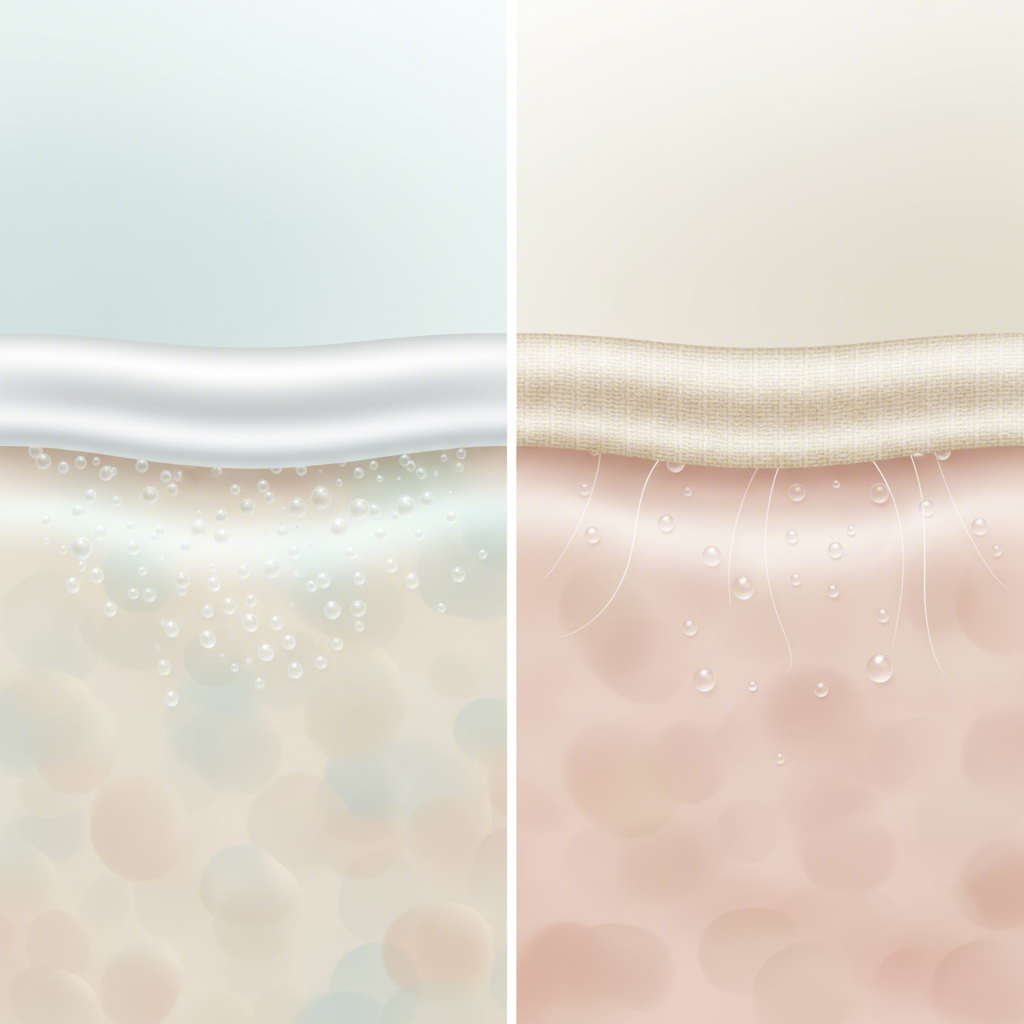
While the benefits for dry eyes are clear, the comparison between silk and satin extends to overall skin and hair health—a major consideration for anyone investing in premium pillowcases or sleep masks. Both materials offer a significant upgrade over traditional cotton, which can tug at hair and absorb natural oils and skincare products. However, once again, the natural properties of silk give it a distinct advantage.
For hair care, the primary benefit of both silk and satin is reduced friction. Their smooth surfaces allow hair to glide across the pillowcase, preventing the tangles, frizz, and breakage often caused by cotton. This is especially beneficial for those with curly, textured, or delicate hair. However, because silk is a natural fiber, it also helps your hair retain its moisture, leaving it looking healthier and more hydrated in the morning. Satin provides the smoothness but lacks the hydrating benefit.
When it comes to skin, silk's benefits are even more pronounced. Its moisture-retaining quality means that your expensive night creams and serums stay on your face, not on your pillowcase. Furthermore, as a natural, hypoallergenic material, silk is ideal for those with acne-prone or sensitive skin. It creates a cleaner sleep surface with less potential for irritation. As Casper's blog notes, silk is less absorbent than other materials, meaning it won't hold onto the oils from your skin throughout the night.
Satin offers a similar smooth surface that helps prevent sleep creases on your face, but its synthetic nature makes it less breathable. This can sometimes lead to trapped heat and sweat, which may be a concern for those with oily or acne-prone skin. While it's a great budget-friendly alternative for reducing hair friction, it doesn't provide the comprehensive skin health benefits that silk does.
| Feature | Silk | Satin |
|---|---|---|
| Friction Reduction (Hair & Skin) | Excellent; prevents frizz and sleep creases. | Excellent; prevents frizz and sleep creases. |
| Moisture Retention (Skin & Hair) | High; helps retain natural oils and moisture. | Low; can be slightly absorbent. |
| Hypoallergenic Properties | Natural resistance to allergens, mold, and fungus. | Dependent on the fiber; generally not naturally resistant. |
| Breathability & Temperature | Excellent; keeps you cool in summer and warm in winter. | Limited; can trap heat and feel less breathable. |
Practical Factors: Making Your Final Decision
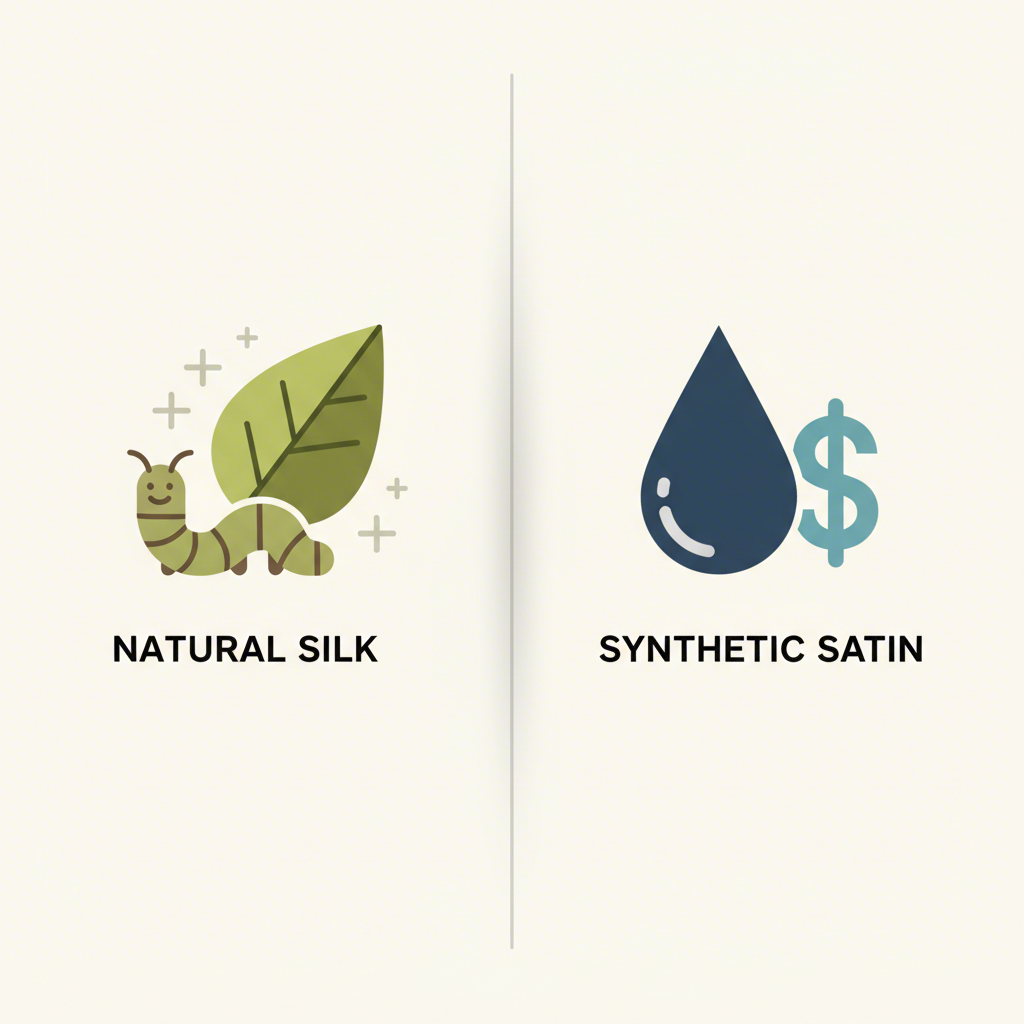
While silk consistently comes out on top for health and beauty benefits, practical considerations like cost, durability, and care are essential factors in your final decision. The choice between silk and satin often comes down to balancing your personal priorities, budget, and lifestyle. Satin's primary advantage is its affordability. Since it's typically made from inexpensive synthetic materials like polyester, satin products are significantly cheaper than those made from 100% pure silk.
This makes satin an accessible entry point into the world of smooth pillowcases and sleep masks. If you're looking for a budget-friendly way to reduce hair frizz and sleep lines, satin is an excellent option. As one comparison notes, "For those who want a smooth, luxurious texture without the high price tag of silk, satin offers a compelling alternative." (SILKSILKY). Satin is also generally easier to care for; most satin items can be machine-washed on a gentle cycle, offering convenience for a busy lifestyle.
Silk, in contrast, is a luxury investment. The process of harvesting and weaving silk is labor-intensive, which is reflected in its higher price. However, with this investment comes superior durability when cared for properly. High-quality silk is one of the strongest natural fibers. Proper care involves gentle hand washing or using a delicate machine cycle with a pH-neutral detergent designed for silk. While it requires more effort, following these care instructions will ensure your silk products last for years, making it a worthwhile long-term investment in your sleep quality and skin health.
Ultimately, your choice depends on what you value most. If your primary concern is soothing dry eyes and sensitive skin, and you're willing to invest in a premium, long-lasting product, silk is the undeniable best choice. If your budget is the main driver and you want to achieve some of the smoothness benefits for your hair and skin, satin is a practical and effective alternative.
Frequently Asked Questions
1. Is satin or silk better for eye masks?
Silk is better for eye masks, especially for those with sensitive skin or dry eyes. Its natural, protein-based fibers are hypoallergenic, non-irritating, and help the delicate skin around the eyes retain moisture. While satin is also smooth, it is typically a synthetic material that is less breathable and lacks the natural skin-soothing properties of silk.
2. Which is healthier, satin or silk?
Silk is generally considered healthier for your skin and hair. As a natural fiber, it is breathable, temperature-regulating, and naturally hypoallergenic. It helps your skin and hair maintain their natural moisture balance. Satin, being synthetic, does not offer these same natural health benefits, although it does reduce friction effectively.
3. Why might some dislike silk pillowcases?
The main drawbacks of silk pillowcases are not typically related to their health properties but rather practical aspects. Some people find them too slippery, causing the pillow to slide around during the night. Additionally, silk requires more delicate care (hand washing or a gentle machine cycle) and is significantly more expensive than materials like cotton or satin, which can be a deterrent for some.
4. Is silk smoother than satin?
Both silk and satin are known for their smooth, glossy feel. Silk's smoothness is an inherent property of its fine, natural fibers. Satin's smoothness comes from its specific weave pattern. While they can feel very similar, high-quality silk often has a more luxurious and refined texture. The key difference is that silk's smoothness comes from a natural fiber, while satin's comes from a man-made weave.


 Send Email
 售前客服
售前客服 Skype
Skype WhatsApp