



Polyester Drawstring Bag Pros and Cons: An Honest Look
TL;DR
Polyester drawstring bags offer a lightweight, affordable, and water-resistant solution for simple needs, making them a popular choice for the gym, short trips, or promotional events. Their primary drawbacks, however, are a single-compartment design that limits organization, thin straps that can become uncomfortable with heavy loads, and generally lower durability compared to materials like nylon.
The Advantages of Polyester Drawstring Bags: Why Choose Them?
When searching for a simple, no-fuss bag, polyester drawstring bags frequently come up as a top contender. Their popularity stems from the inherent qualities of polyester, a synthetic fabric known for its resilience and versatility. These bags are not just a matter of convenience; they are a practical choice grounded in the material's specific, beneficial properties that make them suitable for a wide range of everyday activities.
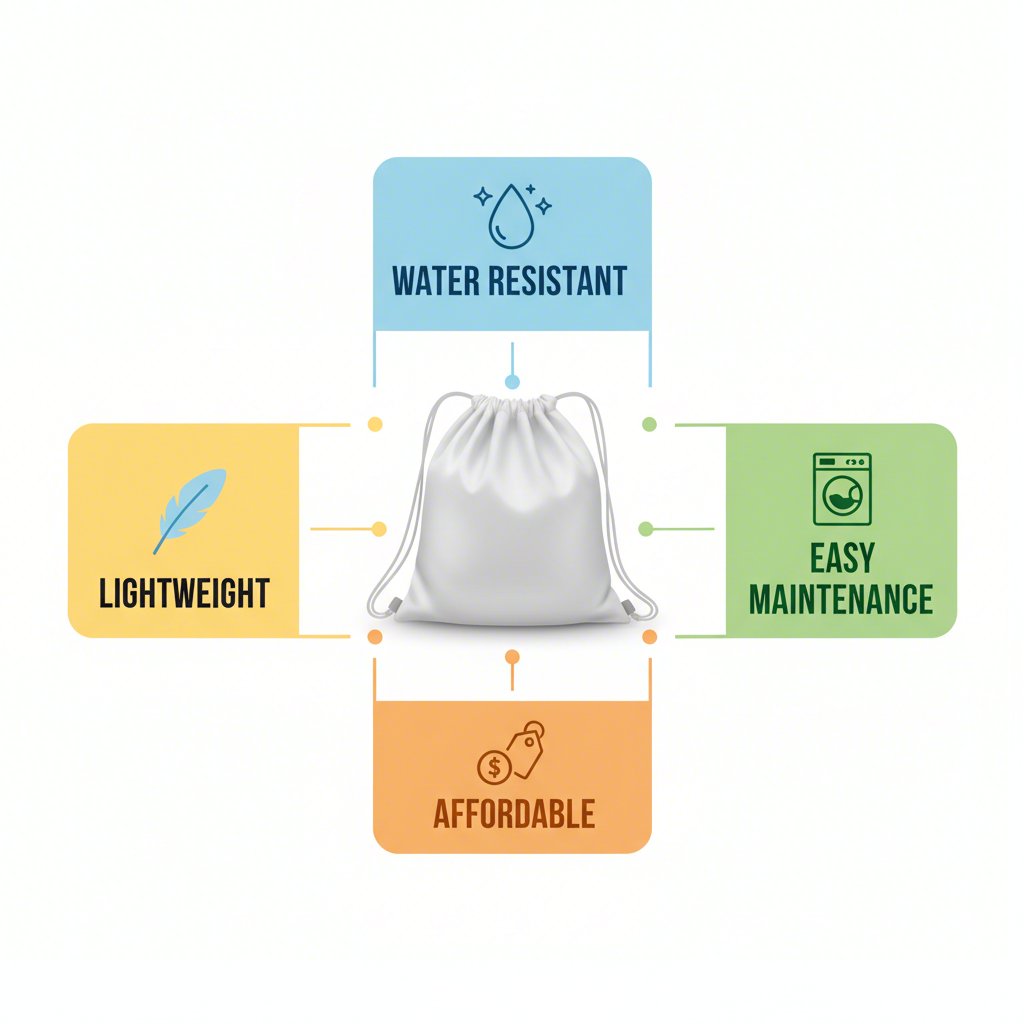
One of the most significant advantages of polyester is its durability and resistance to the elements. As a hydrophobic material, polyester naturally repels water, which means a bag made from it won't get heavy or stretch when exposed to moisture. This makes them ideal for carrying gym clothes or for use on days with unpredictable weather. According to travel experts at Tote Bag Factory, polyester is also known for its resistance to stains and easy maintenance, ensuring the bag stays looking fresh with minimal effort.
Affordability is another key factor driving their widespread use. Polyester is less expensive to produce than natural fibers or other synthetics like nylon. This low production cost makes polyester drawstring bags an extremely cost-effective option, especially for bulk purchases. This is why they are a go-to choice for promotional giveaways at trade shows, corporate events, or as part of a welcome kit for schools and sports teams.
Furthermore, the lightweight and portable nature of these bags cannot be overstated. They can be folded down into a compact size, easily fitting into a suitcase, a car's glove box, or even a jacket pocket. This makes them perfect as a secondary bag for travel—ready to be deployed for a day trip, a visit to a local market, or to carry souvenirs. Their simple, unstructured design means they add virtually no weight to your luggage, offering maximum utility with minimum bulk.
To summarize, the key benefits that make polyester drawstring bags a compelling choice include:
Water Resistance: The fabric naturally repels water, keeping contents protected from light rain and spills.
Durability: Polyester is resistant to stretching, shrinking, and abrasions from daily use.
Cost-Effective: Their low price point makes them accessible and ideal for large-scale distribution.
Lightweight & Portable: They are easy to carry and can be folded compactly for storage when not in use.
Easy Maintenance: The material is simple to clean and dries quickly, making it practical for frequent use.
The Disadvantages of Polyester Drawstring Bags: What to Watch Out For
While polyester drawstring bags excel in simplicity and cost-effectiveness, these same qualities introduce several noteworthy disadvantages. The minimalist design that makes them so lightweight and affordable is also the source of their primary weaknesses. Understanding these trade-offs is crucial for determining if this type of bag truly fits your needs, especially when compared to more structured alternatives like a traditional backpack.
The most commonly cited drawback is the limited organization. Most drawstring bags consist of a single, large compartment. This design makes it difficult to keep items separated and easy to find; keys, a wallet, and a phone often end up jumbled together at the bottom. As noted in a guide by Avecobaggie, this lack of compartmentalization can be a significant inconvenience for anyone who needs to access small items quickly without rummaging through the entire contents of their bag.
Another major issue is comfort, particularly when carrying heavier loads. The thin cord straps, a defining feature of the design, concentrate all the weight onto small areas of your shoulders. This can cause the straps to dig in, leading to discomfort or pain during extended use. Unlike padded backpack straps designed to distribute weight evenly, drawstring cords are not built for loads exceeding a few pounds, making them unsuitable for carrying textbooks, laptops, or heavy groceries.
Durability can also be a concern. While polyester itself is a sturdy material, drawstring bags are often made from thinner versions of the fabric to keep costs low. These lower-quality options may be prone to tearing or wearing out at stress points, such as the seams or the grommets where the cords are anchored. For activities involving heavy wear and tear, a more robust material like nylon is often recommended.
Finally, the casual, minimalist appearance of a drawstring bag makes it unsuitable for professional or formal settings. Its design is inherently sporty and informal, which works well for the gym or a beach trip but looks out of place in an office or at a business-casual event. The bag’s shape is also entirely dependent on its contents, which can lead to a lumpy, unstructured look.
| Feature | Polyester Drawstring Bag | Standard Backpack |
|---|---|---|
| Comfort | Thin cord straps, uncomfortable with heavy loads. | Padded, adjustable straps for even weight distribution. |
| Organization | Typically one main compartment, minimal organization. | Multiple compartments, pockets, and sleeves. |
| Protection | Minimal to no padding for fragile items. | Often includes padded sections for laptops and electronics. |
| Capacity | Best for light loads (around 10-15 lbs). | Designed to carry heavier and bulkier items. |
Material Showdown: Polyester vs. Nylon and Other Fabrics
Choosing the right bag often comes down to the material it's made from. While polyester is a popular and well-rounded choice for drawstring bags, understanding how it stacks up against its main competitors—nylon and cotton—is essential for making an informed decision. Each fabric offers a unique set of properties that make it better suited for different purposes, from heavy-duty outdoor adventures to eco-friendly daily use.
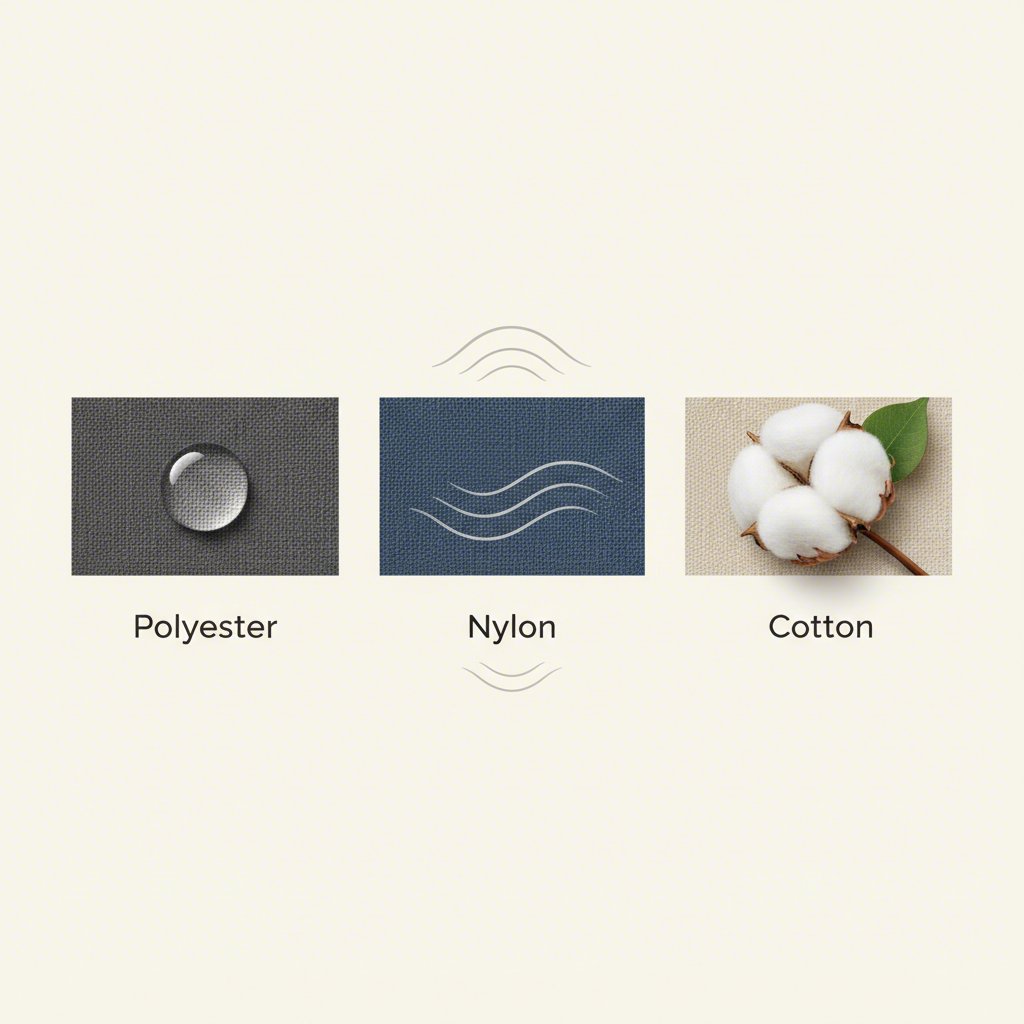
The most frequent comparison is between polyester and nylon. Both are synthetic fabrics valued for their strength and water resistance. However, there are key distinctions. According to an in-depth comparison by Szoneier, nylon is generally considered more durable and has superior strength and elasticity, making it the preferred choice for high-performance gear like hiking backpacks that endure significant wear and tear. On the other hand, polyester offers better resistance to ultraviolet (UV) radiation, meaning it is less likely to degrade or fade with prolonged sun exposure. Polyester is also typically more affordable, reinforcing its position as a go-to for budget-friendly, all-purpose bags.
When compared to natural fibers like cotton or canvas, polyester's advantages become even more apparent for certain applications. Cotton is breathable, soft, and biodegradable, giving it a strong eco-friendly appeal. However, it readily absorbs moisture and can take a long time to dry, making it a poor choice for wet conditions. It is also more susceptible to stains and wrinkles. Polyester, being hydrophobic, excels where cotton falls short, offering superior water and stain resistance, which makes it far more practical for sports or outdoor activities.
Ultimately, the choice of material depends on your primary needs. If you require maximum durability for rugged use, nylon is often worth the extra cost. If your priority is an eco-conscious bag for light, dry errands, cotton is an excellent choice. Polyester sits comfortably in the middle, offering a versatile and affordable balance of durability, water resistance, and practicality for a wide variety of everyday scenarios.
| Attribute | Polyester | Nylon | Cotton/Canvas |
|---|---|---|---|
| Durability | Good; resistant to abrasion and stretching. | Excellent; superior strength and elasticity. | Moderate; can wear out faster with heavy use. |
| Water Resistance | Excellent; naturally hydrophobic. | Good; water-resistant but can absorb some water. | Poor; highly absorbent. |
| Cost | Low to moderate. | Moderate to high. | Low to moderate. |
| UV Resistance | Very Good; resists fading from sunlight. | Fair; can degrade with prolonged sun exposure. | Fair; colors can fade over time. |
Best Use Cases: When is a Polyester Drawstring Bag the Perfect Choice?
After weighing the pros and cons, it becomes clear that a polyester drawstring bag is not a one-size-fits-all solution. Instead, its unique combination of strengths makes it the perfect tool for specific situations where convenience, low cost, and moisture resistance are paramount. Knowing when to choose a drawstring bag—and when to opt for something else—is key to getting the most value out of this simple accessory.
One of the most popular applications is as a gym or sports bag. Its lightweight design is ideal for carrying workout clothes, a towel, and a water bottle without adding unnecessary bulk. The water-resistant properties of polyester are a major asset here, ensuring that sweaty gear doesn't seep through and the bag is easy to wipe clean after use. Its simple cinch closure allows for quick access to your items between sets or after a game.
For travelers, a polyester drawstring bag is an indispensable secondary pack. It can be folded flat and tucked into a larger suitcase, ready to be used for short excursions, beach days, or trips to a local market. It's the perfect size for carrying essentials like sunscreen, a snack, a guidebook, and a light jacket, freeing you from the burden of a heavier daypack when you only need to be out for a few hours.
Their low cost and ease of customization also make them a favorite for promotional giveaways. Companies and organizations frequently use them for trade shows, conferences, and community events because they provide a practical, reusable item that carries their branding far and wide. For global wholesalers and suppliers looking for custom designs, providers like Bincai Import and Export Co., LTD specialize in crafting bespoke sewing products, including drawstring bags, for bulk orders.
To make the decision simple, consider these scenarios:
Perfect for: A trip to the gym, carrying essentials on a beach day, a secondary travel bag for excursions, a giveaway at a trade show, or carrying light groceries.
Avoid for: Carrying your laptop and textbooks to work or school, a multi-day hiking trip, transporting fragile or valuable items, or attending a formal event.
By aligning the bag's features with your specific needs, you can leverage its strengths effectively. The key is to see it not as a replacement for a traditional backpack but as a specialized tool for light-duty, casual, and on-the-go situations.
Frequently Asked Questions
1. What are the pros and cons of polyester bags?
Polyester bags are prized for their affordability, durability, and excellent water resistance. They are lightweight, easy to clean, and hold their shape well. The main disadvantages are that polyester is less breathable than natural fibers, and its durability, while good, is generally not as high as nylon for heavy-duty applications. Thin polyester, in particular, can be prone to tearing under stress.
2. What materials work best for drawstrings?
The drawstring cords themselves can be made from various materials to suit different needs. Common options include braided cording made of polypropylene or nylon for durability, soft twill tape or ribbon for a more decorative touch on gift bags, or even leather for a premium, rugged look. The best material is robust enough to handle repeated pulling and can pass smoothly through the bag's channel or grommets.
3. Is polyester good for a bag?
Yes, polyester is an excellent material for many types of bags, especially those intended for daily, casual use. Its combination of strength, light weight, and resistance to water and stains makes it highly practical. It's particularly well-suited for gym bags, reusable shopping bags, and promotional drawstring backpacks where a balance of performance and cost is important.
4. Is a polyester bag better than a cotton bag?
Whether polyester is "better" than cotton depends on the intended use. For outdoor activities or situations where the bag might get wet, polyester is superior due to its water-resistant and quick-drying properties. It is also more resistant to tears and stains. However, cotton is more breathable, has a softer feel, and is a natural, biodegradable fiber, making it a preferred choice for those prioritizing sustainability for dry-use items like tote bags for shopping or simple storage.


 Send Email
 售前客服
售前客服 Skype
Skype WhatsApp