



Essential Materials for a Beach Drawstring Bag

TL;DR
The best materials for a beach drawstring bag are nylon and polyester, celebrated for their exceptional water resistance, durability, and quick-drying capabilities. These synthetic fabrics are ideal for protecting your belongings from splashes and damp conditions. For those prioritizing sustainability, cotton or canvas present a sturdy, eco-friendly alternative, though they are best when treated for water resistance. Meanwhile, mesh is the perfect specialty material for breathability, allowing sand to sift through and wet gear to air out.
The Champions of Durability: Nylon vs. Polyester
When it comes to selecting a reliable, high-performance material for a beach drawstring bag, synthetic fabrics like nylon and polyester are the undisputed leaders. Both are engineered to withstand the rigors of sun, sand, and sea, making them a practical choice for any beachgoer. Their inherent properties offer a significant advantage over natural fibers in environments where moisture and abrasion are constant concerns. These materials are lightweight yet incredibly strong, capable of carrying everything from towels and sunscreen to books and snacks without succumbing to tears or stretching.
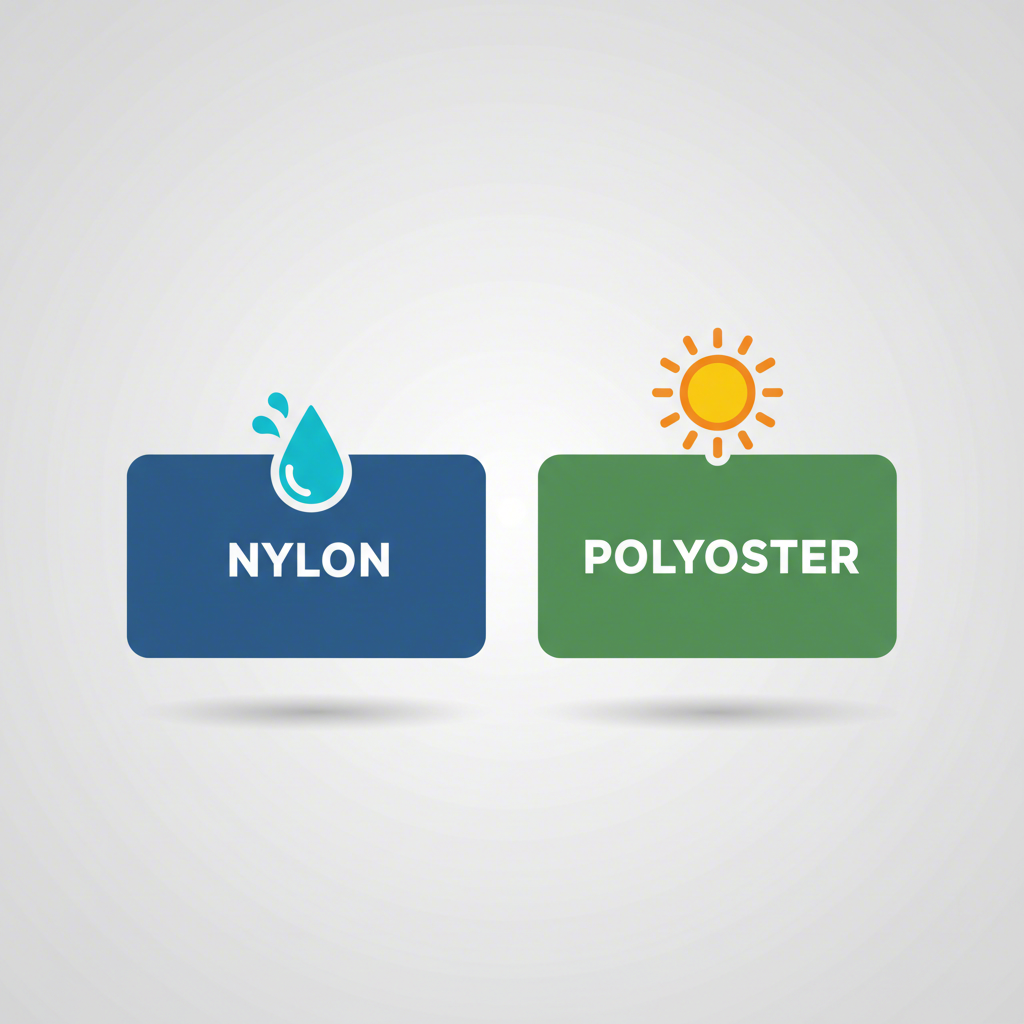
Nylon is particularly renowned for its superior strength and resilience. As highlighted in a guide to drawstring bags, it boasts excellent resistance to tears and abrasions, making it suitable for rough use and carrying heavier items. Polyester, its close cousin, shares many of these strengths, offering impressive durability and resistance to shrinking and stretching. One of polyester's key advantages is its ability to hold color exceptionally well, meaning a brightly colored bag will resist fading even after prolonged exposure to sunlight. Both materials are also naturally resistant to mildew, a common issue when storing damp towels or swimsuits.
For businesses and organizations looking to create branded promotional items, the durability and printability of these materials are a major draw. Companies specializing in custom sewing products, such as Bincai Import and Export Co., LTD, often recommend nylon and polyester for bulk orders of promotional drawstring bags. With over 15 years of experience, they leverage these materials to add logos and craft unique designs that stand the test of time. You can discover their comprehensive range and customization options to see how versatile these fabrics can be.
To help you decide between these two excellent options, here is a direct comparison of their key features:
| Feature | Nylon | Polyester |
|---|---|---|
| Water Resistance | Excellent (hydrophobic fibers repel water) | Excellent (quick-drying and mildew resistant) |
| Durability & Tear Resistance | Exceptional (highly resilient and abrasion-resistant) | Very Good (strong and resistant to stretching) |
| UV Resistance & Color Retention | Good (can be prone to fading over time) | Excellent (holds vibrant colors well against sun exposure) |
| Weight | Extremely lightweight | Lightweight, slightly heavier than nylon |
| Feel | Silky and smooth | Smooth with a slightly crisper feel |
Ultimately, the choice between nylon and polyester often comes down to specific priorities. If your primary concern is maximum durability and abrasion resistance for heavy-duty use, nylon is an outstanding choice. If you value vibrant, long-lasting colors and a material that stands up to UV rays, polyester is the superior option. Both will serve you well on any beach adventure.
The Eco-Conscious Choice: Cotton & Canvas
For those who prefer natural materials and prioritize sustainability, cotton and its heavier-duty counterpart, canvas, are excellent choices for a beach drawstring bag. As a renewable, plant-based fiber, cotton is biodegradable and has a lower environmental impact than many synthetic alternatives, especially when sourced organically. These materials offer a soft, comfortable feel and a classic, high-end aesthetic that many people find appealing. According to a breakdown of bag materials, cotton drawstring bags are often described as eco-friendly, thick, and durable.
Canvas, which is a plain-woven fabric typically made from cotton, is known for its exceptional strength and sturdiness. This makes it ideal for carrying heavier beach essentials like large towels, books, and picnic supplies without the risk of the bag tearing. The durability of canvas also means it has a long lifespan, reducing the need for frequent replacements. Furthermore, its textured surface is perfect for customization, making it a favorite for DIY projects and branded totes that require a more natural, rustic look.
However, the primary drawback of untreated cotton and canvas for beach use is their high absorbency. Unlike nylon or polyester, these natural fibers soak up water and can become heavy and slow to dry. This can be a significant issue on a beach where splashes are inevitable. To counteract this, many manufacturers offer treated versions, such as waterproof canvas (WPC), which often features a PVC backing or a water-repellent finish. These treatments provide the best of both worlds: the sustainable appeal of canvas with the practical water resistance needed for a beach environment.
To provide a balanced view, here are the main pros and cons of using cotton or canvas for your beach bag:
Pros
Eco-Friendly: Made from a natural, renewable resource and is biodegradable.
Durable: Canvas, in particular, is very strong and can handle heavy loads.
Aesthetic Appeal: Offers a classic, stylish look and a soft, pleasant texture.
Breathable: Allows air to circulate, which can help prevent musty odors.
Cons
Highly Absorbent: Soaks up water easily unless specifically treated, becoming heavy.
Slow to Dry: Can take a long time to dry out completely, risking mildew.
Heavier than Synthetics: Generally weighs more than nylon or polyester equivalents.
If you opt for a cotton or canvas bag, it's wise to look for one that is specifically marketed as water-resistant or features a protective lining. This ensures you can enjoy the sustainable benefits without compromising on functionality during your day by the water.
Specialty Fabrics for Specific Needs: Mesh
While solid fabrics like nylon and canvas serve as excellent all-rounders, some beach activities call for a more specialized material. This is where mesh truly shines. A mesh drawstring bag, typically made from durable polyester or nylon netting, is designed with one primary function in mind: breathability and drainage. Its open-weave construction is the perfect solution for two of the most common beach-day annoyances: trapped sand and soggy gear.
The most significant advantage of a mesh bag is its ability to let sand and water pass right through. Instead of bringing half the beach home with you, a simple shake is all it takes to shed any lingering sand from towels, toys, and flip-flops. This feature is a game-changer for families with children, as it makes cleaning up buckets, shovels, and other sandy toys incredibly easy. As noted in a guide to beach bag types, mesh is ideal for anyone hauling damp towels or swimwear because it prevents sand buildup and accelerates drying.
Furthermore, the superior airflow offered by mesh helps wet items dry faster and prevents the growth of mildew and musty odors. A wet swimsuit or towel stored in a solid bag can quickly develop an unpleasant smell, but a mesh bag allows air to circulate freely, wicking away moisture. This makes it an excellent choice for surfers, swimmers, and anyone engaging in water sports who needs a place to store damp gear after their activities. The material itself is also incredibly lightweight and can be folded down compactly, making it easy to pack as a secondary bag.
Of course, a mesh bag isn't the best choice for carrying small, valuable items like keys, phones, or wallets, as they could be exposed to the elements or fall through larger weaves. For this reason, many people use a mesh bag in conjunction with a smaller, waterproof pouch for their valuables. Alternatively, some of the best designs are hybrid bags that combine a solid, water-resistant base with mesh upper panels, offering both security and ventilation. Ultimately, a mesh drawstring bag is less of an all-in-one solution and more of a purpose-built tool that excels at managing wet and sandy equipment with unmatched efficiency.

Making the Right Choice for Your Beach Day
Selecting the perfect material for your beach drawstring bag ultimately depends on your personal needs and priorities. There is no single "best" option, but rather the right choice for your specific activities. By understanding the distinct advantages of each fabric, you can make an informed decision that enhances your seaside experience. A thoughtful choice ensures your bag is not just a container, but a functional and reliable companion for all your adventures.
To recap, if your top priorities are all-around performance, water resistance, and durability, synthetic materials like nylon and polyester are your go-to options. They offer peace of mind by keeping your belongings dry and secure. If you are guided by sustainability and prefer a natural aesthetic, cotton or canvas provides a sturdy and stylish alternative, especially when treated to repel water. Finally, for those who need a practical solution for sandy toys and wet gear, a mesh bag is an indispensable tool that simplifies cleanup and keeps things fresh.
Before you buy, consider what you typically carry to the beach. Are you packing electronics that need protection, or are you hauling wet towels and sandy shovels? Answering this simple question will point you toward the material best suited to make your beach days easier and more enjoyable.
Frequently Asked Questions
1. What is the best material for a beach bag?
The best material depends on your needs. Nylon and polyester are excellent for water resistance and durability. Cotton and canvas are great sustainable options, while mesh is ideal for letting sand and water escape from items like toys and wet towels. A beginner's fabric guide can help you compare the pros and cons of each.
2. What materials work best for drawstrings?
The drawstrings themselves are typically made from durable cording, such as braided polyester or cotton rope. Twill tape and ribbon are also used for a softer feel, while leather can be used for a more premium look. The key is to choose a material that is robust enough to handle repeated pulling and can glide smoothly through the bag's casing or grommets.
3. What material is used for drawstring bags?
Drawstring bags are made from a wide variety of materials. The most common are nylon and polyester due to their strength, light weight, and water resistance. Cotton, canvas, and mesh are also very popular, each offering different benefits related to sustainability, durability, and breathability.
4. What is the best material for a swim bag?
For a swim bag, the best materials are those that are waterproof or quick-drying and offer ventilation. Nylon, polyester, and mesh are top choices. A bag made from these materials will help protect your other belongings from getting wet and allow damp swimwear and towels to air out, preventing mildew.


 Send Email
 售前客服
售前客服 Skype
Skype WhatsApp