



Essential Strategies for Customized Promotional Merchandise

TL;DR
Customized promotional merchandise refers to everyday items, like pens, tote bags, and apparel, branded with a company's logo or message. These products serve as powerful marketing tools to increase brand visibility, foster customer loyalty, and provide a tangible connection to your business. Their primary purpose is to keep your brand top-of-mind with clients, prospects, and employees through useful, memorable giveaways.
What is Promotional Merchandise and Why is it a Powerful Marketing Tool?
Promotional merchandise, often called swag or branded merch, consists of useful or decorative products customized with a company's logo, name, or slogan. These items are given away to customers, employees, and prospects at events, in marketing campaigns, or as corporate gifts. The goal is simple yet effective: to create a lasting, positive impression of your brand. Unlike digital ads that disappear in an instant, a physical item remains, creating repeated exposure over time.
The power of this marketing strategy lies in the psychology of receiving a gift. A tangible, useful item creates a sense of reciprocity and goodwill, fostering a stronger emotional connection to the brand. According to a survey cited by Vistaprint, 74% of people keep and regularly use the promotional gifts they receive. This transforms a simple giveaway into a long-term advertising asset, integrating your brand into the daily lives of your audience. Whether it's a mug used for morning coffee or a pen on a client's desk, your logo stays visible.
This approach is particularly effective for small businesses looking for high-impact marketing on a budget. The return on investment can be substantial when compared to other forms of advertising. A well-chosen promotional item serves as a constant, subtle reminder of your business, building brand recall that pays dividends long after the initial giveaway. For example, data mentioned by Promo Direct highlights that 62% of consumers will keep and use a promotional calendar, offering a full year of brand visibility for a single, low-cost investment.
To better understand its value, consider the key benefits of using customized promotional merchandise:
Long-Term Brand Exposure: A single item can generate hundreds or even thousands of impressions over its lifespan.
High ROI: Promotional products offer one of the lowest costs-per-impression in advertising.
Improved Brand Recognition: Repeated exposure to your logo makes your brand more memorable and easily recognizable.
Increased Customer Loyalty: A thoughtful gift makes customers feel valued, strengthening their relationship with your brand.
Tangible Connection: In a digital world, a physical product creates a tactile experience that online ads cannot replicate.
How to Choose the Perfect Promotional Items for Your Brand
Selecting the right customized promotional merchandise is crucial for a successful campaign. The perfect item aligns with your brand identity, resonates with your target audience, and fits within your budget. With thousands of options available, from cheap and practical to unique and luxurious, making a strategic choice is key. Start by considering your primary objective: are you aiming for mass brand awareness at a trade show, rewarding loyal clients, or outfitting your team?
To narrow down your options, think about the utility and relevance of the product to the recipient. A useful item is more likely to be kept and used, maximizing your brand's exposure. For a broad audience, classic items like pens, notebooks, and tote bags are safe and effective choices. However, for a more targeted campaign, consider items that reflect your industry or the recipient's interests. A tech company might offer branded USB drives or power banks, while a wellness brand could provide custom water bottles or yoga mats.
For businesses looking to make a high-end impression with corporate gifting or employee rewards, unique promotional items can be highly effective. A premium product signals value and appreciation. For example, a luxury option like a Custom Silk Travel Set from a specialized supplier can create a memorable experience for top clients or valued team members. This contrasts with budget-friendly items intended for wider distribution. The key is to match the product's perceived value with the strategic importance of the relationship.
To help simplify your decision, here is a comparison of popular product categories:
| Product Category | Best For | Typical Price Point | Example Items |
|---|---|---|---|
| Office & Writing | Broad brand awareness, trade shows, office giveaways | $ | Pens, Notebooks, Sticky Notes, Mouse Pads |
| Apparel & Bags | Team uniforms, brand loyalty, walking billboards | $$ | T-Shirts, Hoodies, Hats, Tote Bags, Backpacks |
| Drinkware | Customer gifts, employee onboarding, daily use | $$ | Mugs, Water Bottles, Tumblers |
| Tech | Targeted campaigns, modern brand image | $$$ | Power Banks, USB Drives, Wireless Speakers |
| Unique & Lifestyle | Corporate gifts, rewarding top clients, special events | $$$ | Travel Sets, Blankets, High-End Wellness Kits |
Finally, follow this simple three-step checklist to guide your selection process:
Define Your Audience and Goal: Who are you trying to reach, and what action or feeling do you want to inspire?
Set Your Budget: Determine your total budget and cost-per-item to filter your options realistically. Consider that many suppliers, like 4allpromos, offer significant discounts for bulk orders.
Assess Brand Alignment and Utility: Does the item reflect your brand's values (e.g., eco-friendly, innovative, practical)? Will your audience genuinely use it?

The Customization Process: A Step-by-Step Guide to Branding Your Merchandise
Once you've chosen the perfect item, the next step is customization—the process of adding your unique branding. For many business owners, especially those without a design background, this can seem intimidating. However, most online suppliers have streamlined this process to be as simple as possible, often providing free art assistance and digital proofs to ensure you're happy with the final product before it goes into production.
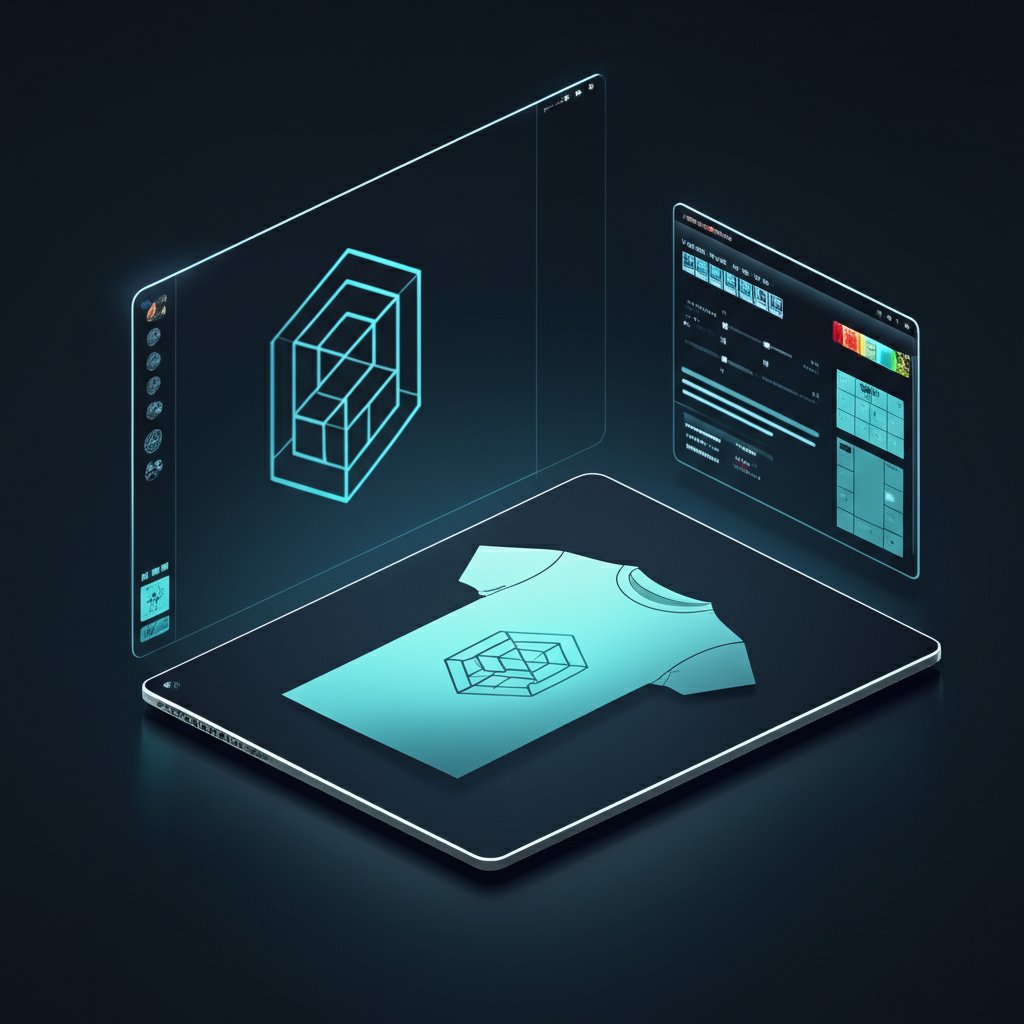
The workflow for ordering custom printed promotional items is generally consistent across vendors. It involves selecting your product, providing your artwork, approving a digital mock-up, and waiting for production and delivery. The most critical part of this process is ensuring your artwork is in the correct format to produce a high-quality print. A crisp, professional-looking logo reflects positively on your brand, while a blurry or pixelated one can have the opposite effect.
To ensure the best results, follow these artwork best practices:
Use Vector Files: Provide your logo in a vector format (like .AI, .EPS, or .SVG) whenever possible. Vector files can be scaled to any size without losing quality, which is essential for printing on different products.
Check Color Codes: If your brand uses specific colors, provide the Pantone (PMS), CMYK, or HEX codes to ensure accurate color matching.
Mind the Imprint Area: Pay attention to the maximum imprint area for the product you've chosen. A complex logo may need to be simplified to look good on a small item like a pen.
Here is a step-by-step guide to placing your order online:
Select Your Product and Options: Choose the item, color, and quantity you need. Pay attention to minimum order quantities, though some vendors like Vistaprint offer options with no minimum.
Upload Your Artwork: Use the website's design tool to upload your logo or other brand assets. Most platforms allow you to position the artwork and add text directly on a product template.
Review the Digital Proof: After you submit your order, the supplier will send a digital proof or mock-up showing what your final product will look like. Review it carefully for spelling, placement, and colors. This is your last chance to request changes before production begins.
Approve and Finalize: Once you approve the proof, the order is sent to production. Production times vary depending on the product and customization method (e.g., screen printing, embroidery).
Receive Your Order: Your customized promotional merchandise is shipped to your specified address. Many suppliers offer rush production and expedited shipping for tight deadlines.
Finding the Right Supplier: Vetting Wholesale and Online Vendors
Choosing the right partner is just as important as choosing the right product. A reliable supplier ensures your merchandise is high-quality, delivered on time, and accurately represents your brand. With countless online vendors and local print shops available, it's essential to vet them based on a few key criteria. Look for a supplier that not only offers competitive pricing but also provides excellent customer support and stands behind their work with a satisfaction guarantee.
When evaluating potential vendors, start by assessing their product quality and selection. Reputable suppliers like 4imprint often offer free samples, allowing you to see and feel an item before committing to a large order. This is a crucial step to avoid disappointment with the final product. Next, consider pricing. While cost is always a factor, the cheapest option isn't always the best. Look for transparent pricing that includes setup fees and shipping, and inquire about discounts for bulk or wholesale orders. A good supplier will provide a clear, all-inclusive quote.
Turnaround time is another critical factor, especially if you're ordering for a specific event. Many online vendors offer rush services, with some like Walmart Business Print providing same-day production on select items. Customer support is equally important. A responsive and helpful team can guide you through the customization process, offer design assistance, and resolve any issues that may arise. Look for vendors with positive online reviews and accessible support via phone, chat, or email.
When deciding between a large online vendor and a local print shop, consider the trade-offs. Online vendors typically offer a wider selection and more competitive pricing due to their scale. Local shops, on the other hand, can provide a more personal, hands-on experience and may be a better option for complex projects or if you want to support local businesses. Both can be excellent choices, depending on your priorities.
Before you place your order, be sure to ask any potential supplier these five key questions:
Can I get a physical sample of the product before placing a full order?
What are your artwork requirements, and do you offer free design assistance or proofs?
What is your guaranteed production and shipping time for this order?
Is your price quote all-inclusive, or are there additional setup or shipping fees?
What is your policy if I'm not satisfied with the quality of the final product?
Putting Your Promotional Strategy into Action
Customized promotional merchandise is more than just giving away free items; it's a strategic investment in your brand's visibility and relationships. By thoughtfully selecting products that resonate with your audience, ensuring a high-quality customization process, and partnering with a reliable supplier, you can create a lasting impact that digital marketing alone cannot achieve. The key is to approach it with a clear goal, whether it's generating leads at a trade show or showing appreciation to your dedicated employees.
Start by defining what success looks like for your campaign. Then, use the frameworks and checklists provided to guide your decisions on product selection and vendor vetting. Don't be afraid to start small with a targeted giveaway to test what works for your audience. A well-executed promotional product strategy will not only keep your brand top-of-mind but also build the tangible, positive connections that foster long-term loyalty and growth.
Frequently Asked Questions
1. What are the most popular promotional items?
Based on offerings from major suppliers and general market trends, some of the most consistently popular and effective promotional items include wearable items like t-shirts and hats, useful office supplies such as pens and notebooks, practical drinkware like mugs and water bottles, and versatile tote bags. These items are popular because they offer high utility, ensuring they are used frequently by recipients.
2. How much do promotional products cost?
The cost of customized promotional merchandise varies widely based on the item, order quantity, and customization complexity. Simple items like pens or stickers can cost less than a dollar per unit in bulk. Mid-range items like t-shirts or mugs might range from $5 to $15, while premium tech or lifestyle items can cost $25 or more. Most suppliers offer significant price breaks for larger quantities, so ordering in bulk is the most cost-effective approach.
3. Can I order promotional products in small quantities?
Yes, many suppliers now cater to small businesses and events by offering products with low or no minimum order quantities. While buying in bulk typically offers a better price per unit, the ability to order just a few items is perfect for special client gifts, small team events, or testing a new product idea before committing to a larger batch. Always check the 'minimum quantity' filter when browsing supplier websites.


 Send Email
 售前客服
售前客服 Skype
Skype WhatsApp