



A Buyer's Guide to Personalized Silk Scrunchie Wholesale
TL;DR
Sourcing personalized silk scrunchies wholesale involves partnering with a manufacturer that can customize products with your unique logo or design. Key factors to consider are the material—choosing between 100% pure mulberry silk for luxury and hair health benefits, or more affordable satin options. You must also evaluate minimum order quantities (MOQs), per-unit pricing which decreases with volume, and the supplier's customization capabilities, including printing, labels, and packaging.
Understanding Your Options: Silk vs. Satin and Quality Indicators
When sourcing wholesale scrunchies, the first critical decision is material. While often used interchangeably, "silk" and "satin" are not the same, and the difference significantly impacts quality, price, and hair health. True silk scrunchies are made from natural silk fiber, most commonly 100% mulberry silk, which is a protein-based, natural material. This material is renowned for being exceptionally gentle on hair, as its smooth surface reduces friction, helping to prevent breakage, frizz, and creases. It's also hypoallergenic and helps hair retain moisture.
Satin, on the other hand, refers to a type of weave, not a raw material. Satin scrunchies are typically made from synthetic fibers like polyester. While they offer a similar smooth feel and glossy appearance at a lower cost, they do not provide the same hair-care benefits as natural silk. For brands positioning themselves in the luxury, beauty, or wellness markets, specifying 100% mulberry silk is a crucial quality differentiator that justifies a higher price point. One supplier, SILKHOME, exclusively focuses on 100% mulberry silk products, signaling a deep expertise in the material.
Beyond the fabric itself, look for other quality indicators. The thickness of silk, measured in momme (mm), affects its durability and luster; common weights for scrunchies range from 16mm to 25mm. The quality of the elastic band inside is also paramount—it should be strong enough to hold hair securely without losing its shape, yet gentle enough not to cause damage. When choosing a supplier, consider the trade-offs between domestic and overseas manufacturing.
| Factor | USA-Based Supplier (e.g., Ohio-based) | Overseas Supplier (e.g., China-based) |
|---|---|---|
| Lead Time | Generally shorter (e.g., 10-12 business days + domestic shipping). | Longer due to production schedules and international shipping. |
| Cost | Potentially higher per-unit cost due to labor and material expenses. | Often more competitive per-unit pricing, especially at high volumes. |
| Communication | Easier communication with no time zone barriers. | May involve time zone differences and potential language barriers. |
| Specialization | May offer a range of promotional products. | Often highly specialized in silk production with extensive options. |
Before placing a large order, always request a sample. Reputable suppliers will provide samples of their materials and previous work to allow you to assess the fabric feel, print quality, and construction firsthand. This is the most effective way to verify that the product meets your brand's standards.
The Customization Process: Bringing Your Brand to Life
Personalization is at the core of creating a unique product that stands out. Wholesale suppliers offer a wide spectrum of customization options to translate your brand identity onto the scrunchie itself. The most common method is custom printing on the fabric. This can range from a simple, repeating logo to a full-color, complex pattern. Technologies like screen printing are ideal for simpler designs, while digital sublimation printing allows for any pattern or image to be transferred with vibrant detail.
Beyond printing on the fabric, branding can be achieved through custom labels. Manufacturers like Sino-Silk offer options like sewing a small, folded woven label with your logo directly onto the scrunchie's seam for a polished, professional look. This subtle approach is perfect for luxury brands that prefer understated branding. You can also customize the product's physical characteristics, including its size—from mini 1cm scrunchies to oversized, 6-inch jumbo scrunchies that make a bold fashion statement.
Packaging is another crucial element of the customization process. A beautifully designed package elevates the customer experience and reinforces brand value. Many overseas suppliers provide extensive packaging solutions, including custom-printed magnet gift boxes, sliding drawer boxes, silk drawstring pouches, and branded display cards perfect for retail. Some suppliers can also bundle scrunchies into curated gift sets. For instance, a brand could expand its offerings by creating a cohesive travel or wellness package, like the 5-Piece Custom Silk Travel Set from Bincai Intl, which can include items like sleep masks and pillowcases alongside your custom scrunchies.
To ensure a smooth customization process, it's essential to prepare a clear design brief for your chosen manufacturer. This document acts as a blueprint for your product. Here is a step-by-step guide to preparing your brief:
Provide High-Resolution Artwork: Export your logo or design files in a vector format (like .AI, .EPS, or .PDF) to ensure they can be scaled without losing quality.
Specify Exact Color Codes: Use Pantone (PMS) color codes to guarantee that the printed colors perfectly match your brand guidelines.
Detail Placement and Scale: Create a simple mockup or provide clear instructions on where the logo should be placed and how large it should be (e.g., "1-inch repeating logo centered on the fabric").
Define Material and Size: Clearly state your choice of fabric (e.g., "100% Mulberry Silk, 22 Momme"), scrunchie size (e.g., "Classic 3cm width"), and any other physical specifications.
Outline Packaging Requirements: If you need custom packaging, provide the design files and specifications for boxes, tags, or pouches.
Navigating Wholesale Orders: Pricing, Minimums, and Logistics
Understanding the financial and logistical aspects of a wholesale order is crucial for any business. The most important terms to know are per-unit pricing and Minimum Order Quantity (MOQ). The per-unit price is the cost of a single scrunchie, which almost always decreases as the order volume increases. For example, a supplier like Elastic Band Co. might charge $3.25 per scrunchie for an order of 100, but that price can drop to $2.30 for an order of 3,000 or more. This tiered pricing structure incentivizes larger bulk purchases.
MOQ refers to the smallest number of units a manufacturer is willing to produce in a single order. For many custom scrunchie suppliers, the MOQ is around 50 pieces. This threshold is necessary to cover the setup costs for custom printing and production. While some suppliers, like 4inBandana, advertise "no minimum" options, these are often for simpler, digitally printed items and may come with a significantly higher per-unit cost compared to a bulk order. For new businesses, finding a supplier with a low MOQ (50-100 units) is an excellent way to test a new product without a massive upfront investment.
Several factors influence the final quoted price for your personalized scrunchies. It's important to have a clear understanding of these variables when budgeting for your order. Be prepared to discuss the following with potential suppliers:
Fabric Choice: 100% mulberry silk will be more expensive than polyester satin or other synthetic blends.
Order Quantity: The single biggest factor—higher volume leads to a lower per-unit cost.
Customization Complexity: A multi-color, all-over print will cost more than a simple one-color logo. Embroidery is often priced higher than printing.
Size and Style: Larger or more complex styles, like scrunchies with bows or extra fabric for a "fluffy" look, require more material and labor, increasing the cost.
Custom Packaging: Branded boxes, pouches, or tags will add to the overall cost per unit.
Shipping and Tariffs: Remember to factor in the cost of shipping, especially for international orders, which may also be subject to import duties.
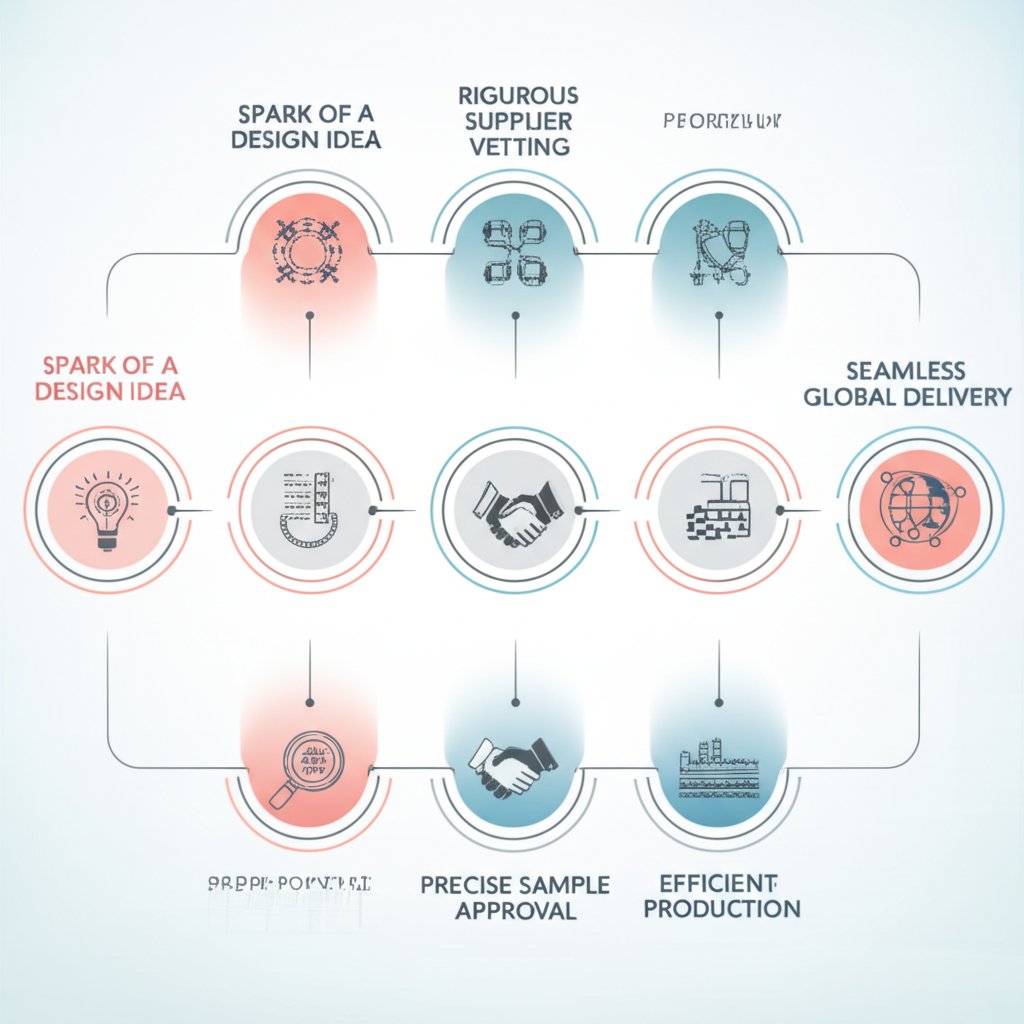
Finally, always clarify production lead times and shipping options. A US-based supplier may offer a turnaround of 10-12 business days plus ground shipping, while an overseas order may take several weeks to produce and ship. Ask for a detailed timeline, including the time required for sample approval, mass production, and transit to your location.
How to Choose and Vet the Right Wholesale Supplier
Selecting the right manufacturing partner is a long-term strategic decision that impacts your product quality, brand reputation, and bottom line. The ideal supplier is not just a producer but a partner who understands your vision and is committed to quality. Start by identifying the key characteristics of a reliable supplier: transparency in communication, clear pricing structures, a proven track record of quality, and expertise in your desired materials and customization techniques.
Your vetting process should be methodical to ensure you make an informed choice. Look for suppliers that provide detailed information about their services, such as Original Equipment Manufacturer (OEM) capabilities, which means they can produce products to your exact specifications. Pay attention to their specialization—a factory that only produces 100% mulberry silk products, for example, is likely to have higher expertise and quality control in that specific area than a general promotional goods company.
Before committing to a large order, it's essential to ask a series of screening questions to gauge a supplier's suitability. A professional manufacturer will be happy to provide clear and detailed answers. Here is a checklist of key questions to ask:
What is your Minimum Order Quantity (MOQ) for custom orders?
Can you provide a detailed, itemized quote including setup fees, per-unit costs, and shipping estimates?
What are your exact material specifications (e.g., 100% 6A Grade Mulberry Silk, 22 Momme)?
What are your artwork file requirements (e.g., vector PDF, Pantone colors)?
Do you provide a physical or digital pre-production sample for approval? Is there a cost for this?
What is your standard production lead time after sample approval?
What quality control measures do you have in place throughout the production process?
Based on their responses and your research, you can follow a clear action plan to finalize your decision. This structured approach minimizes risk and helps build a strong foundation for a successful business relationship.
Research and Shortlist: Identify 3-5 potential suppliers from online directories, industry recommendations, and search results that appear to match your needs for quality, customization, and price point.
Initial Contact: Reach out to your shortlisted suppliers with your design brief and screening questions. Evaluate them based on their response time, clarity, and professionalism.
Request and Evaluate Samples: Once you've narrowed it down to 2-3 serious contenders, request samples. This is a non-negotiable step. Physically inspect the material, print quality, stitching, and elastic durability.
Finalize and Negotiate: Select the supplier that provides the best balance of quality, cost, and service. Negotiate the final terms, confirm the production timeline, and place your initial order.
Frequently Asked Questions
1. What is a typical minimum order for wholesale scrunchies?
The typical Minimum Order Quantity (MOQ) for personalized wholesale scrunchies is around 50 units. This allows manufacturers to cover the costs of setting up custom printing or production runs. Some suppliers may offer options with no minimum, but this usually comes at a higher price per item.
2. Can I get custom scrunchies with my own logo?
Yes, absolutely. The primary service offered by wholesale scrunchie suppliers is customization with a logo or design. This can be done through various methods, including full-color screen printing, digital sublimation printing, embroidery, or by adding a custom-branded woven label to the scrunchie.
3. How much do personalized silk scrunchies cost wholesale?
The wholesale price for personalized scrunchies typically ranges from approximately $2.30 to over $4.25 per unit. The final cost depends heavily on the order quantity (more units equals a lower price), the material (100% silk is more expensive than satin), and the complexity of your custom design and packaging.


 Send Email
 售前客服
售前客服 Skype
Skype WhatsApp