



OEM Silk Sleep Mask: A Buyer's Guide to Sourcing & Customization

TL;DR
An OEM silk sleep mask is a customizable sleep accessory sourced directly from a manufacturer for your brand to resell. Businesses choose this option to leverage the benefits of high-grade mulberry silk, which is naturally hypoallergenic and gentle on the skin. The primary advantage of the OEM process is the ability to create a unique product with custom logos, embroidery, colors, and branded packaging to meet specific market demands.
Understanding OEM Silk Sleep Masks: Materials and Benefits
When sourcing products for your brand, understanding the terminology and materials is the first step toward making a profitable decision. OEM, or Original Equipment Manufacturer, means you partner with a factory to produce goods according to your unique specifications. In this case, an OEM silk sleep mask is not an off-the-shelf product but one created for your brand, featuring your design, logo, and packaging.
The material of choice for premium sleep masks is overwhelmingly 100% mulberry silk, and for good reason. Sourced from the cocoons of silkworms fed exclusively on mulberry leaves, this type of silk is renowned for being the highest quality available. Its long, uniform fibers result in a fabric that is exceptionally smooth and durable. As highlighted by multiple suppliers and skincare enthusiasts, mulberry silk is naturally hypoallergenic, making it an excellent choice for all skin types, including sensitive skin. Unlike other materials, it doesn't absorb moisture from your skin, helping it stay hydrated overnight and potentially reducing the appearance of fine lines around the eyes.
When specifying your product, you'll encounter two key terms: Momme and Grade. Momme (mm) is a unit of weight that indicates the density of the silk; a higher momme means more silk is used, resulting in a heavier, more durable, and more opulent fabric. For sleep masks, a weight of 19 to 25 momme is a common standard for a luxurious feel. The grade of silk refers to the quality of the raw fibers, with 6A being the highest grade, signifying the longest and purest strands. Choosing a 6A grade, 19-22mm mulberry silk ensures you are offering a top-tier product.
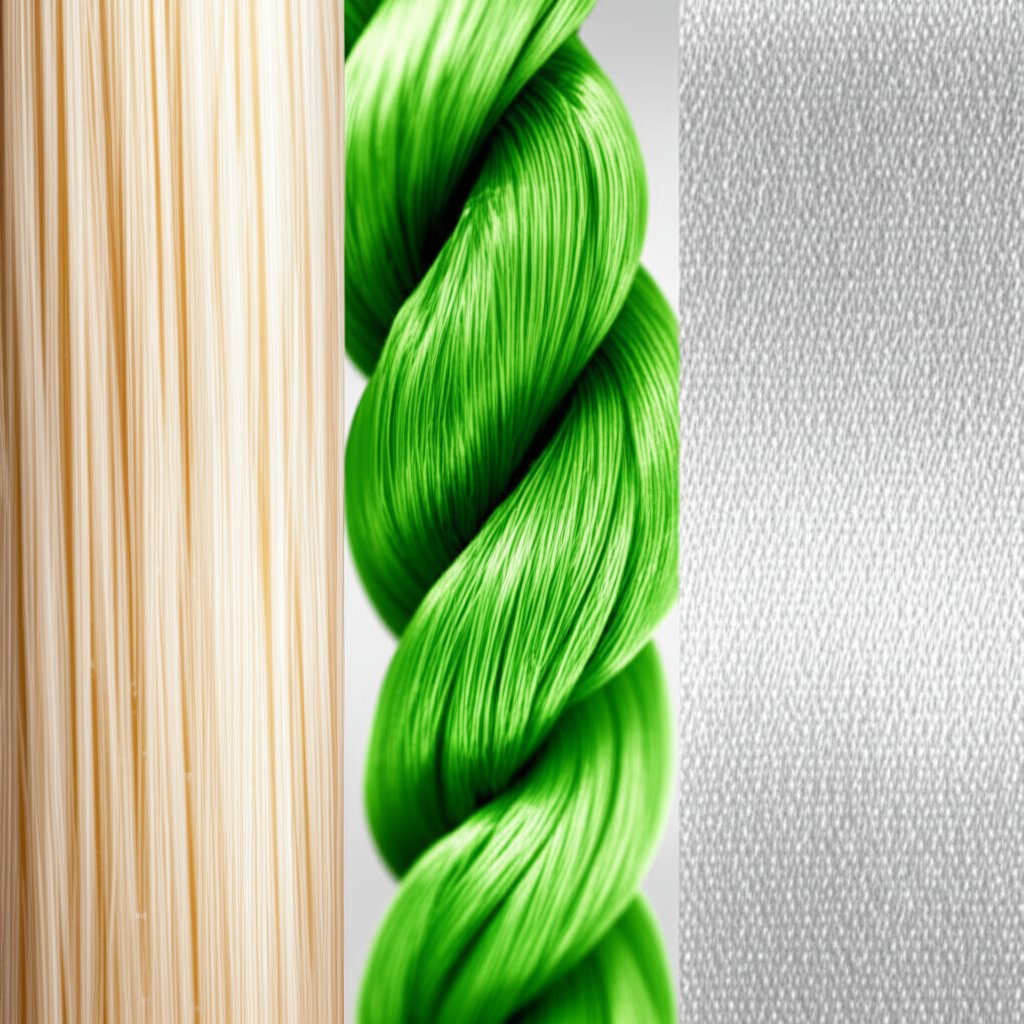
To fully appreciate the value of silk, it's helpful to compare it with other common materials used for sleep masks.
| Feature | Mulberry Silk | Cotton | Satin (Polyester) |
|---|---|---|---|
| Feel on Skin | Extremely smooth, glides easily | Soft but can be slightly abrasive | Smooth, but less breathable |
| Breathability | High, naturally temperature-regulating | High, but can feel heavy | Low, can trap heat and sweat |
| Moisture Wicking | Low absorption, leaves skin hydrated | High absorption, can dry out skin | Low absorption, but not natural fiber |
| Hypoallergenic | Yes, naturally resistant to dust mites | Generally yes, but can harbor allergens | Yes, but can irritate sensitive skin |
The Customization Process: Creating Your Branded Sleep Mask
The core advantage of the OEM model is the power to create a product that is uniquely yours. The customization journey allows you to control every aspect of the sleep mask's design, transforming a generic item into a branded statement piece. Leading manufacturers offer a wide array of options to help your product stand out in a competitive market.
Key customization options typically include logo application, where you can choose between elegant embroidery for a textured, premium feel or screen printing for intricate, colorful designs. You can also select from a vast palette of fabric colors to match your brand identity, specify the size and shape of the mask, and choose the type of strap—from a simple elastic band to an adjustable silk-wrapped one for enhanced comfort. Furthermore, the final presentation is crucial; suppliers often provide custom-designed gift boxes, pouches, or other packaging solutions that elevate the customer experience and reinforce your brand's image.
For businesses looking to offer more than a single product, some suppliers provide comprehensive packages. For instance, some manufacturers can create curated packages like a 5-piece custom silk travel set, which can be an excellent option for corporate gifting, hotel amenities, or high-value retail offerings. This approach allows for brand consistency across a range of luxury items.
To navigate the process smoothly, follow these steps:
Initial Design & Consultation: Begin by developing a clear concept for your product. This includes the design, color scheme, and any specific features you want. Present this to potential suppliers to discuss feasibility and get initial quotes.
Material & Specification Selection: Choose your silk's Momme weight and grade. Finalize details like the mask's dimensions, filling material (often pure silk floss for a plush feel), and strap type.
Sample Creation & Approval: Before committing to a bulk order, always request a pre-production sample. This allows you to inspect the quality, feel the material, and approve the final design. This is a critical step to ensure the final product meets your expectations.
Bulk Production: Once you approve the sample, the manufacturer will begin mass production. Clear communication on timelines is essential during this phase.
Quality Control: Reputable suppliers have quality control (QC) processes in place. Inquire about their QC checks and, if possible, arrange for a third-party inspection before the goods are shipped.
Packaging & Shipping: Your custom-branded packaging is applied, and the products are prepared for shipment. Discuss logistics and shipping terms with your supplier well in advance.
To streamline your initial contact with a manufacturer, have the following assets ready:
Your logo in a high-resolution vector file (e.g., .AI or .EPS)
Specific Pantone color codes for your branding
Detailed design mockups or sketches
Estimated order quantity
Packaging design concepts
How to Vet and Partner with a Wholesale Supplier
Choosing the right manufacturing partner is just as important as designing a great product. A reliable supplier ensures consistent quality, timely delivery, and a smooth business relationship. The market is filled with options, from large factories to smaller specialized workshops, so conducting thorough due diligence is essential to protect your investment and brand reputation.
When evaluating potential suppliers, focus on a clear set of criteria. These factors will help you distinguish between experienced, high-quality partners and those who might pose a risk. Look for transparency and a willingness to provide detailed information. A professional supplier will understand the needs of a B2B client and will be prepared to answer your questions comprehensively.
Key evaluation criteria include:
Minimum Order Quantity (MOQ): This is the smallest number of units a factory will produce in a single run. MOQs can vary significantly, so find a supplier whose requirements align with your business scale and budget. Some suppliers offer low MOQs for customized products.
Production Lead Time: Ask for a realistic timeline from order confirmation to shipping. Factor this into your business plan to manage inventory and launch dates effectively.
Sample Policy: A credible supplier will provide samples. Clarify the cost of samples and whether that cost will be deducted from your bulk order.
Certifications: Look for certifications like OEKO-TEX, which ensures textiles are free from harmful substances, or SGS/ITS testing for quality assurance. This adds a layer of trust and is a strong selling point for consumers.
Communication: Assess the supplier's responsiveness, clarity, and professionalism. Good communication is crucial for resolving issues and ensuring your specifications are understood.
Before committing, it's vital to ask the right questions. This not only gathers critical information but also signals that you are a serious and informed buyer.
Essential Questions for Potential Suppliers:
1. What is your MOQ for custom-designed silk sleep masks?
2. Can you provide a detailed quote including unit price, sample cost, and shipping options?
3. What is your standard lead time for production and shipping?
4. What quality control measures do you have in place during and after production?
5. Can you provide proof of certifications, such as OEKO-TEX or SGS?
6. What are your payment terms for new clients?
Finally, consider the difference between working directly with a factory versus a trading company. A factory handles production in-house, often offering better pricing and more control over the manufacturing process. A trading company acts as an intermediary, which can sometimes simplify communication but may add cost. Many of the top online suppliers, such as Hangzhou Zhigeng Silk and Taihu Snow Silk,Or Bincai Import and Export, present themselves as direct manufacturers, giving you a direct line to the production source.


 Send Email
 售前客服
售前客服 Skype
Skype WhatsApp