



Drawstring vs Zipper Bag: The Essential Security Showdown

TL;DR
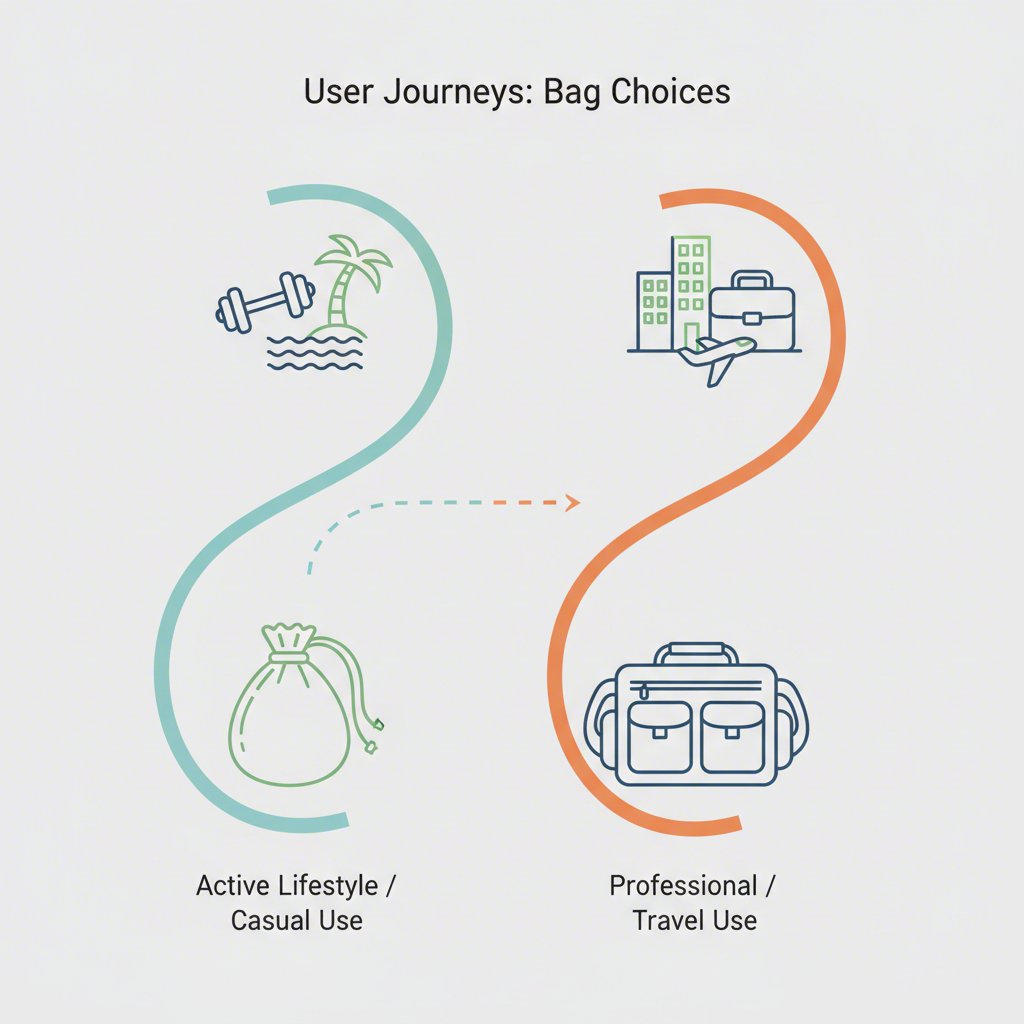
Choosing between a drawstring bag with a zipper and one without comes down to a fundamental trade-off: security versus speed. Zipper bags offer superior security, organization, and protection for your belongings, making them ideal for travel, commuting, or carrying valuables. In contrast, classic drawstring bags provide faster, more convenient access, perfect for casual activities like trips to the gym or beach where grabbing items quickly is the priority.
Security and Protection: Which Closure Safeguards Your Belongings?
When it comes to keeping your items safe, the closure mechanism is the single most important factor. The primary difference between a zipper and a drawstring is the completeness of the seal. A zipper creates a fully secured enclosure by interlocking two rows of teeth, making it highly resistant to accidental openings and providing a significant barrier against theft. This design is especially effective at preventing small items from falling out and offers better protection from the elements.
Drawstring bags, on the other hand, rely on cinching a cord to pull the top of the bag together. While effective for closing the bag, this method often leaves small gaps, making it more vulnerable to pickpockets and increasing the chance that items could slip out if the bag is jostled. For travel in crowded areas or carrying sensitive items like a wallet or phone, the enhanced security of a zipper is a clear advantage. Some zippered bags even feature double zippers that can be locked together with a small padlock for ultimate peace of mind, an option unavailable on standard drawstring bags.
The superior seal of a zipper also provides better protection against spills and debris. As highlighted in a comparison by DrawstringBagsFactory.com, the secure seal of a zipper is far more effective at containing contents. This principle applies whether you're trying to keep sand out at the beach or prevent a leaky water bottle from ruining other items in your bag. The choice is clear: for maximum protection, a zipper is the undisputed winner.
| Security Feature | Zipper Bag | Drawstring Bag |
|---|---|---|
| Complete Seal | Yes | No |
| Pickpocket Resistance | High | Low |
| Lockable | Often (with double zippers) | No |
| Spill & Debris Protection | High | Low |
Ease of Access and Convenience: The Trade-Off Between Speed and Effort
While zippers excel in security, drawstring bags hold a significant advantage in ease of access and convenience. The design of a drawstring bag is built for speed; a simple pull on the cords opens the bag, allowing for quick, often one-handed, access to your belongings. This is incredibly practical in situations where you need to grab something on the move, such as a water bottle during a hike or a towel at the gym.
Conversely, opening a zippered bag is a more deliberate action. It typically requires two hands—one to hold the bag steady and the other to pull the slider. While this process only takes a few seconds, it can be cumbersome when you're in a hurry. Zippers can also occasionally snag on fabric, causing frustrating delays. The simplicity of the drawstring mechanism means there are no teeth to misalign or sliders to get stuck, ensuring a consistently smooth and fast opening every time.
This difference in accessibility defines the ideal use case for each bag. As noted by experts at DHgate Smart, the convenience of a drawstring is perfect for everyday storage and quick trips. If your priority is getting to your items without any fuss, the immediate access offered by a drawstring bag is unmatched. However, if you can spare a few extra seconds for the assurance of a secure closure, a zipper bag is the more prudent choice.

Durability and Longevity: Which Bag Withstands Daily Wear and Tear?
The durability of a bag depends on both its material and the construction of its closure system. Both zippers and drawstrings have unique strengths and weaknesses that affect their long-term performance. Zipper mechanisms are generally robust, but they represent a critical point of failure. If the slider breaks or the teeth become misaligned, the entire bag can be rendered useless. High-quality zippers are built to withstand heavy use, but a single faulty component can lead to a frustrating end for an otherwise good bag.
Drawstring closures are simpler in design, which can be both a pro and a con. The primary failure point is the cord itself, which can fray, wear out, or snap under repeated stress and heavy loads. However, unlike a broken zipper, a broken drawstring can often be easily replaced, potentially extending the life of the bag. The grommets or reinforced holes where the strings pass through can also be points of stress, sometimes tearing if the bag is consistently overloaded.
For heavy daily use, a well-made zippered bag often proves to be a more durable long-term investment. As mentioned in a comparison on LaundryMeshBag.com, zippered closures are typically better suited for frequent, demanding use. For lighter or less frequent activities, the durability of a standard drawstring bag is usually more than sufficient. Ultimately, investing in a bag made from high-quality materials is the best way to ensure longevity, regardless of the closure type.
Capacity, Organization, and Versatility: Matching the Bag to Your Needs
Beyond the closure, the internal structure of the bag plays a huge role in its functionality. Drawstring bags are typically designed as a single, large compartment. This unstructured design offers excellent flexibility for carrying bulky or irregularly shaped items, such as a basketball, a pair of shoes, or a wet towel. However, this same simplicity is a major drawback when it comes to organization; small items tend to get lost at the bottom, and there's no way to separate electronics from your water bottle.
Zippered bags, particularly backpacks and messenger bags, excel at organization. They almost always feature multiple compartments, internal pockets, and dividers designed to keep your belongings sorted and easy to find. This makes them far superior for school, work, or travel, where you might need to carry a laptop, notebooks, pens, and other small accessories. The structured nature of these bags also provides better protection for fragile items like tablets and documents.
This structural difference also impacts comfort. Because drawstring bags lack padding and structure, carrying heavy loads can cause the thin straps to dig into your shoulders and lead to back strain. They are best suited for light loads over short periods. For businesses or organizations looking to source bags for specific events, understanding these use cases is key. For those needing custom promotional items, a specialized supplier like Bincai Import and Export Co., LTD can craft bespoke drawstring bags with company logos, tailored for bulk orders suitable for giveaways or team events.
| Best Use Cases | Drawstring Bag | Zipper Bag |
|---|---|---|
| Gym & Sports | Excellent | Good |
| Air Travel & Commuting | Poor | Excellent |
| School & Work | Fair | Excellent |
| Beach & Pool Trips | Excellent | Good |
| Carrying Electronics | Poor | Excellent |
Frequently Asked Questions
1. Are drawstring bags still in style?
Yes, drawstring bags remain very much in style. While their athletic look is timeless for casual and gym use, they have also been embraced by fashion designers who incorporate them into stylish designs using materials like leather, canvas, and suede, making them a versatile accessory for various occasions.
2. Are drawstring bags bad for your back?
Drawstring bags can be bad for your back if they are overloaded. They lack the padded straps and structured back support found in traditional backpacks. Carrying heavy items in a drawstring bag can cause the thin cords to strain your shoulders and promote poor posture. They are best used for carrying light loads for short durations.
3. Why don't tote bags have zippers?
Many tote bags are designed without zippers to prioritize easy access and a simple, casual aesthetic. An open top allows users to quickly drop in or retrieve items. However, many other tote bags do include zippers to provide extra security, which is useful for preventing items from falling out or deterring theft in busy environments. The choice often comes down to personal preference for style and security.
4. How to make a drawstring bag more comfortable?
To make a drawstring bag more comfortable, avoid overloading it with heavy items. You can also adjust the length of the cords so the bag sits high and snug against your back, which helps distribute the weight more evenly. Some people add custom padding to the cord sections that rest on the shoulders for extra comfort during extended wear.


 Send Email
 售前客服
售前客服 Skype
Skype WhatsApp