



Satin vs. Silk Sleep Mask: Which Regulates Temperature Best?

TL;DR
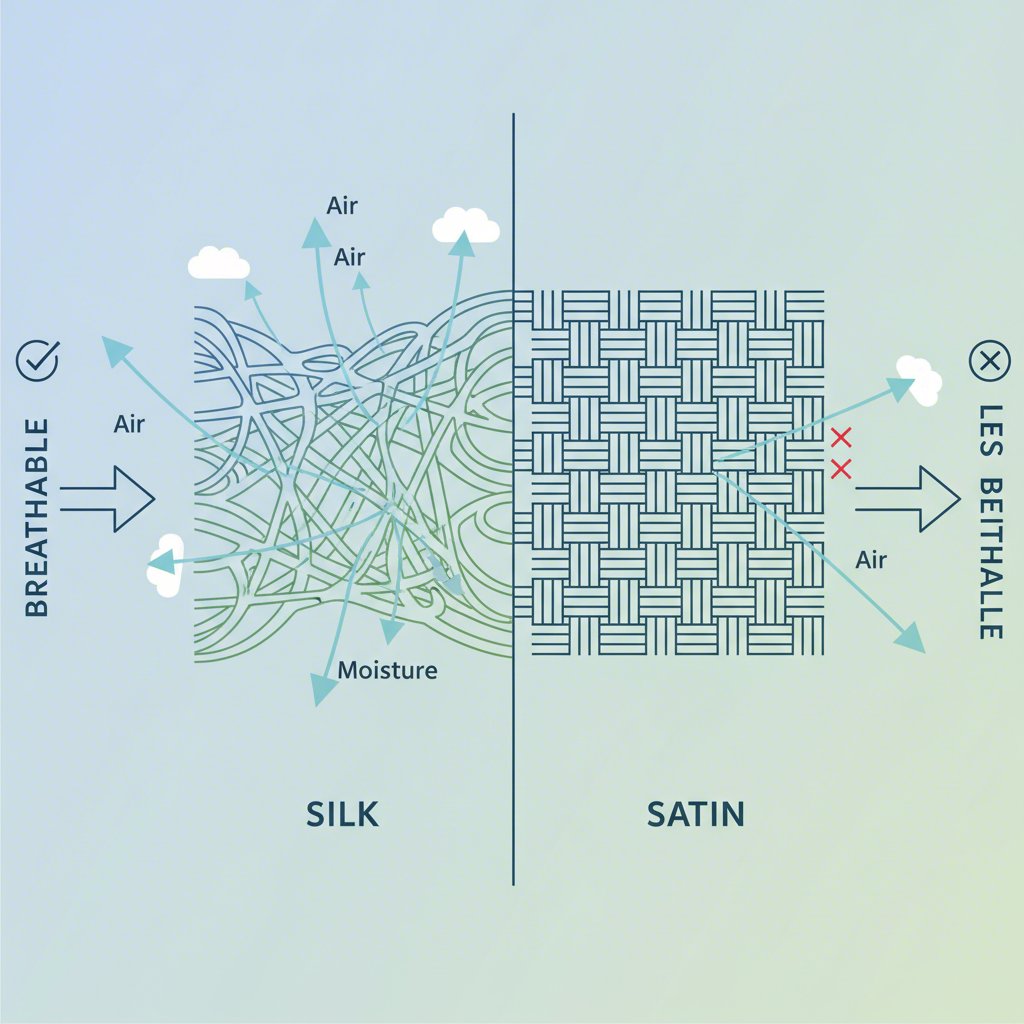
When considering a satin sleep mask for temperature regulation, the clear consensus is that natural silk is the superior choice. Satin, typically a synthetic weave made from polyester, can feel smooth but often traps heat and lacks breathability. For true temperature control, natural silk's protein fibers actively wick moisture and allow air to circulate, keeping you cool and comfortable throughout the night. While satin is a budget-friendly option, silk is the investment for a truly restorative, temperature-balanced sleep.
Satin vs. Silk: The Decisive Factor in Temperature Control
Choosing a sleep mask often comes down to comfort, and a key part of that comfort is how well the material manages temperature. While satin and silk both offer a luxuriously smooth surface, their performance in regulating heat is vastly different, stemming from their fundamental composition. Understanding this difference is crucial for anyone, especially hot sleepers, looking to optimize their rest.
At its core, the distinction lies in the material's origin. Silk is a natural protein fiber produced by silkworms. Its organic structure is inherently porous, allowing air to move freely through the fabric. This breathability prevents heat and humidity from getting trapped against your skin. In contrast, satin is not a fiber but a type of weave. Most modern satin is made from synthetic fibers like polyester, which is essentially a form of plastic. These synthetic filaments are non-porous and can act as a barrier, trapping heat and causing you to sweat, which undermines a comfortable night's sleep.
As detailed in a comparison on Silksilky.com, silk’s natural properties make it an excellent thermoregulator—it helps you stay cool in the heat and comfortably warm in the cold. Satin, while mimicking silk's smoothness at a lower cost, simply cannot replicate this critical function. This makes silk the definitive winner for anyone whose sleep is disrupted by feeling too warm.
Material Properties at a Glance
| Feature | Silk | Satin |
|---|---|---|
| Temperature Regulation | Excellent; natural fibers breathe to keep you cool. | Poor; synthetic material can trap heat. |
| Breathability | High; allows air and moisture to pass through. | Low; can lead to sweating and discomfort. |
| Moisture Wicking | Wicks moisture away without absorbing it, keeping skin dry. | Does not effectively wick moisture; can feel clammy. |
| Hypoallergenic | Naturally resistant to dust mites and mold. | Generally hypoallergenic but lacks natural antimicrobial properties. |
| Cost | Higher initial investment. | More budget-friendly and widely available. |
| Care | Requires gentle handling, often hand-washing. | More durable and often machine-washable. |
Ultimately, the choice involves a trade-off. If your primary goal is achieving optimal sleep comfort through temperature regulation, investing in a genuine silk mask is the most effective solution. If your budget is the main constraint, a satin mask provides a similar smooth feel but be prepared for its limitations in breathability.
How Your Sleep Mask’s Material Affects Skin and Comfort
Beyond regulating temperature, the fabric of your sleep mask has a significant impact on your skin's health and overall comfort. Both silk and satin are praised for their smooth surfaces, which create less friction against your delicate facial skin compared to coarser materials like cotton. This gentleness can help reduce the formation of sleep creases and minimize stress on the skin, which is a benefit for preventing premature wrinkles.
However, the similarities largely end there. As a natural fiber, silk possesses properties that are uniquely beneficial for the skin. According to an analysis by Srhythm, silk's natural proteins make it inherently hypoallergenic and resistant to common allergens like dust mites and mold, making it an ideal choice for individuals with sensitive skin or allergies. Furthermore, silk does not absorb moisture from your skin. Instead, it helps your skin retain its natural hydration levels, allowing your nighttime skincare products to work more effectively without being absorbed into your mask.
Satin, while also smooth, does not offer the same natural benefits. Being synthetic, it lacks silk's breathability and moisture-wicking capabilities. This can sometimes lead to a less-than-ideal microclimate against your skin, potentially trapping sweat and bacteria. For those with acne-prone or easily irritated skin, the superior airflow of silk is a clear advantage for maintaining skin health throughout the night. For businesses or individuals looking to source high-quality masks that offer these benefits, options like Bincai International's wholesale silk sleep masks provide both premium materials and customization for logos and patterns.
Beyond Material: What Makes a Truly Great Sleep Mask
While choosing between silk and satin is a critical first step, the material alone doesn't guarantee a perfect sleep mask. Several design features are just as important for ensuring total darkness and ultimate comfort. A high-quality material is wasted if the mask fits poorly, lets in light, or puts uncomfortable pressure on your face and eyes.
One of the most crucial features is the strap. An adjustable strap is non-negotiable for a good fit. A mask that is too tight can cause pressure on the eyes, which may lead to blurred vision upon waking, as noted in expert reviews. A strap that is too loose will allow the mask to shift during the night, letting in disruptive light. Look for a mask with a soft, wide, and easily adjustable closure that won't snag your hair.
The shape of the mask also plays a significant role. Masks generally come in two main styles: flat or contoured. A flat mask lies directly against your face and is often preferred by side sleepers for its minimal bulk. A contoured mask, on the other hand, features molded cups that curve away from your eyes. This design is excellent for blocking out all light from the edges and preventing any pressure on your eyelids or interference with your eyelashes, which is a major plus for those who value their lash extensions or are sensitive to pressure.
Your Buyer's Checklist for the Perfect Sleep Mask
To ensure you choose a mask that will truly enhance your sleep, follow this simple checklist:
Select Your Material: Prioritize natural silk for superior temperature regulation and skin benefits, or choose satin for a budget-friendly smooth surface.
Insist on an Adjustable Strap: A comfortable, customizable fit is essential to prevent pressure and light leakage.
Choose Your Preferred Shape: Decide between a flat design for simplicity and side-sleeping comfort or a contoured design for zero eye pressure and total blackout.
Verify 100% Light Blocking: The primary function of a sleep mask is to create complete darkness. Ensure the design is substantial enough to block all ambient light.
Frequently Asked Questions
1. Is it good to sleep with a satin eye mask?
Sleeping with a satin eye mask can be beneficial due to its smooth surface, which reduces friction on your skin and hair, helping to prevent sleep lines and hair breakage. It is also an affordable and widely available option. However, for those concerned with temperature regulation, its synthetic nature means it is not as breathable as natural silk and may trap heat.
2. What are the negatives of sleep masks?
The primary negatives of sleep masks are related to improper fit. A mask that is too tight can exert pressure on the eyes, potentially causing temporary blurred vision upon waking. A poorly designed mask may also fail to block light effectively or may shift during the night, disrupting sleep. Choosing a mask with an adjustable strap and a comfortable shape can mitigate these issues.
3. What temperature should a heated eye mask be?
Heated eye masks, which are a different category of product used for therapeutic purposes like treating dry eye, are often effective in a temperature range of 37°C to 47°C (99°F to 117°F). This specific temperature range helps to melt thickened oils in the eyelid glands without harming the skin.


 Send Email
 售前客服
售前客服 Skype
Skype WhatsApp