



Lined vs Unlined Drawstring Bags: Which Should You Sew?
TL;DR
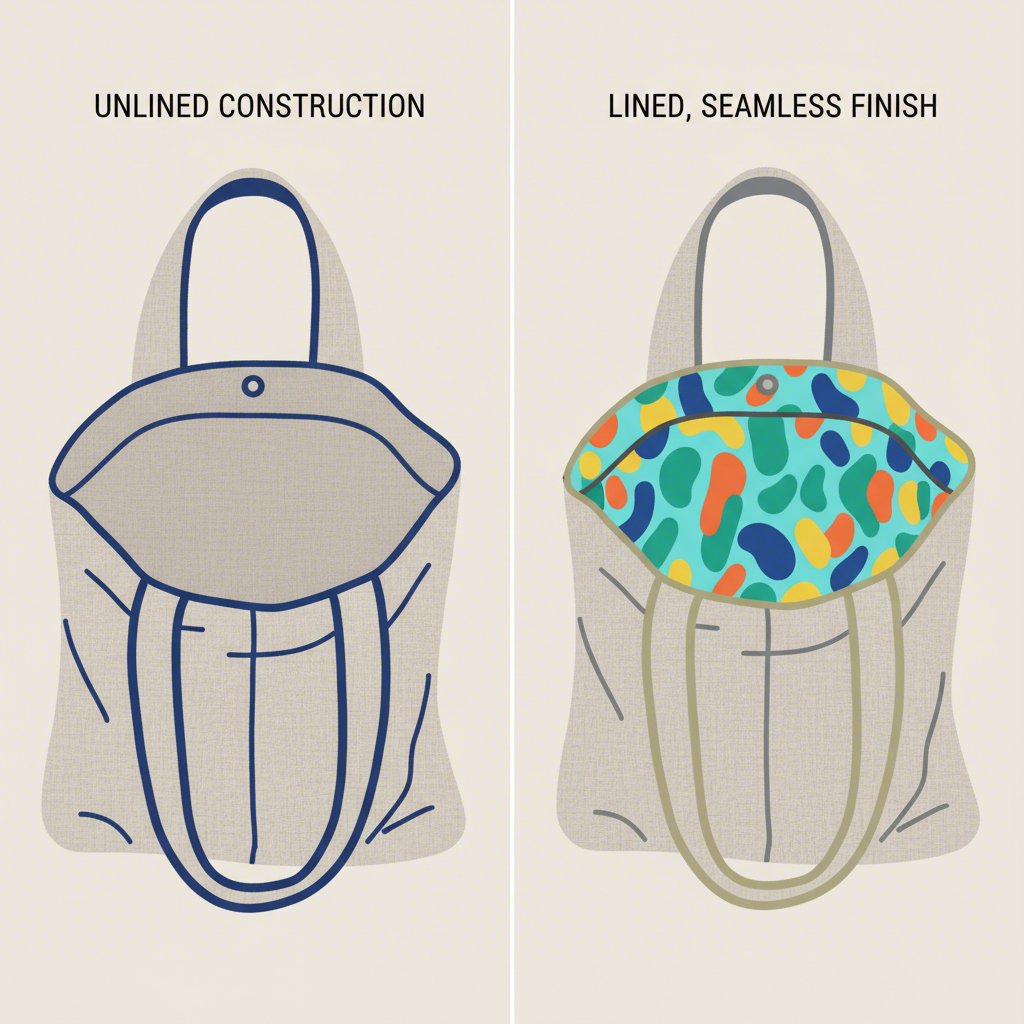
Choosing between a lined vs. unlined drawstring bag comes down to balancing appearance with simplicity. A lined bag offers a clean, professional interior, hides all raw seams, and provides extra durability, making it ideal for gifts or purses. An unlined bag is much quicker to sew, uses less fabric, and is a perfect project for beginners who want a fast and functional result for simple storage or gift wrap.
Lined vs. Unlined Drawstring Bags: Key Differences and How to Choose
When you're starting a new sewing project, the first decision you'll often make is about the construction. For drawstring bags, the main choice is whether to add a lining. This single step changes the entire process, feel, and function of the final product. Understanding the core differences will help you pick the perfect method for your needs.
An unlined bag is the essence of simplicity. It's made from a single layer of fabric, meaning the inside of the bag shows the reverse side of the material and the seams. According to some crafting guides, this method is incredibly fast and a great starting point for anyone new to sewing. A lined bag, conversely, features a second layer of fabric on the interior. This creates a clean, finished look inside, hiding all the seams and providing a chance to use a fun, contrasting fabric. As explained in tutorials like one from Sew Retro, this method adds durability and structure, making the bag feel more substantial and professional.
The choice ultimately depends on your project's goal. An unlined bag is fantastic for quick, reusable gift bags or simple pouches where speed is more important than a polished interior. A lined bag is the better option for items that will see more use, like a small purse, a makeup bag, or a special gift where the presentation is key. The lining protects the outer fabric and any delicate items you might carry inside.
To make the decision easier, here’s a direct comparison:
| Feature | Lined Bag | Unlined Bag |
|---|---|---|
| Durability | Higher, with two layers of fabric for strength. | Lower, depends entirely on the single fabric's weight. |
| Appearance (Interior) | Clean, professional, and hides all raw seams. | Exposed seams and reverse side of the fabric. |
| Sewing Time | Longer, requires constructing two separate bags. | Very quick, ideal for fast projects. |
| Fabric Required | Requires both outer and lining fabric. | Requires only one piece of fabric. |
| Best For | Gifts, purses, makeup bags, protecting delicate items. | Reusable gift wrap, simple storage, beginner projects. |
Ask yourself these questions before you start: What will this bag hold? Who is it for? And how much time do I have? Your answers will point you clearly toward the right choice for a successful and satisfying project.
How to Sew a Simple Unlined Drawstring Bag (Beginner-Friendly)
If you're looking for a quick and satisfying project, the unlined drawstring bag is a fantastic choice. It's a beginner-friendly design that comes together in under an hour and teaches fundamental sewing skills without being overwhelming. The beauty of this bag lies in its simplicity—just one piece of fabric and a few straight seams.
The core concept involves creating a fabric pouch and then folding over the top edge to form a channel, or casing, for the drawstring to pass through. This method, highlighted in guides from Sewing Parts Online, is straightforward and produces a functional bag with minimal fuss.
Materials Needed:
One rectangular piece of fabric (e.g., 5 x 12 inches for a small bag)
Two pieces of drawstring cord or ribbon (e.g., two 18-inch pieces)
Matching thread
A safety pin or bodkin
Instructions:
Prepare the Casing: Lay your fabric flat. On each of the short ends, fold the edge down 1/4 inch and press. Then, fold it down again by 1 inch and press. This creates the top hem that will become your drawstring channel.
Sew the Side Seams: Fold the fabric in half with the right sides together, matching up the long edges. Sew both side seams with a 1/4-inch seam allowance, sewing all the way to the top raw edge. Backstitch at the beginning and end to secure your stitches.
Create the Channel: Fold the top edge down along the pressed 1-inch line to form the casing. Stitch along the bottom edge of this fold, sewing all the way around the top of the bag. Be sure to backstitch over the side seams for extra strength.
Open the Channel: Use a seam ripper to carefully open the stitches on the side seams between the two lines of stitching you just made for the channel. This creates the opening for your drawstring.
Insert the Drawstring: Attach a safety pin to the end of one piece of your cord. Thread it through one opening, all the way around the channel, and back out the same opening. Repeat with the second cord, starting and ending at the opening on the opposite side.
Finish the Bag: Tie the ends of each cord together in a knot on both sides. Trim any excess, and your unlined drawstring bag is complete!
Creating a Professional Lined Drawstring Bag: A Step-by-Step Guide
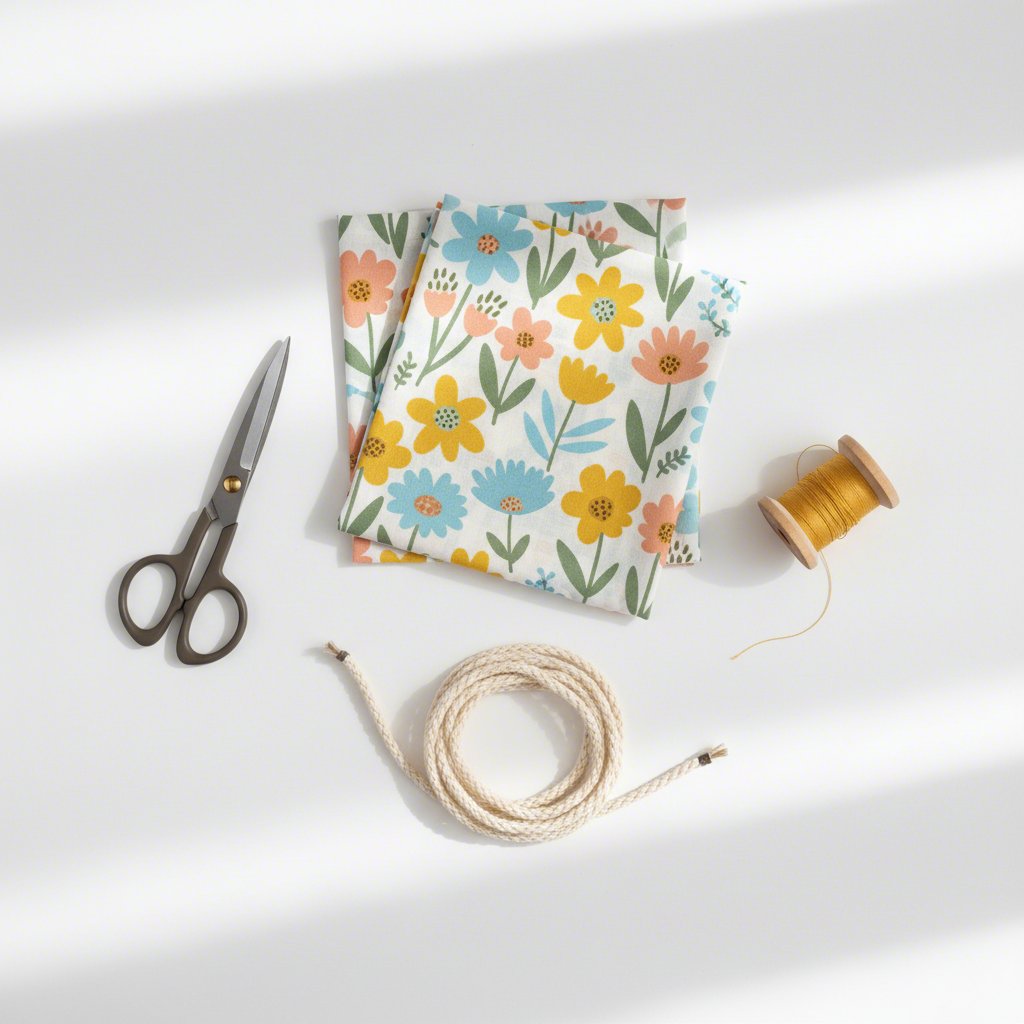
For a more polished and durable result, a lined drawstring bag is the way to go. This technique creates a beautiful, seamless interior that feels high-quality and is perfect for gifts or personal items. While it involves a few more steps than the unlined version, the process is surprisingly straightforward and well worth the effort.
The magic of this method is in creating two separate bags—one from your main fabric and one from your lining fabric—and then sewing them together at the top. This construction, detailed in tutorials like the one on Sewing Report, neatly encloses all raw edges, resulting in a professional finish. You can even add boxed corners to give the bag a flat bottom and more structure.
Materials Needed:
Two rectangular pieces of outer fabric (e.g., 8 x 10 inches each)
Two rectangular pieces of lining fabric (e.g., 8 x 10 inches each)
Two pieces of drawstring cord or ribbon (e.g., two 24-inch pieces)
Matching thread
A safety pin or bodkin
Instructions:
Assemble the Outer Bag: Place your two outer fabric pieces with right sides together. Sew along the sides and the bottom with a 1/4-inch seam allowance, leaving the top open.
Assemble the Lining: Repeat the process with your two lining fabric pieces, but this time, leave a 3-4 inch gap in the bottom seam. This opening is crucial for turning the bag right side out later.
Nest the Bags: Turn the outer bag right side out, but leave the lining bag inside out. Place the outer bag inside the lining bag, so their right sides are facing each other. Line up the top raw edges and the side seams, and pin them in place.
Join the Bags: Sew all the way around the top edge with a 1/4-inch seam allowance, joining the outer bag and the lining together.
Turn the Bag: Carefully pull the outer bag through the opening you left in the lining's bottom seam. Once it's all the way through, your bag will be right side out with the lining neatly inside.
Close the Lining: Stitch the opening in the lining closed. You can do this with your machine for speed or by hand for an invisible finish. Then, push the lining down into the outer bag and press the top edge for a crisp finish.
Create the Casing and Insert Drawstring: Sew two lines of stitching around the top of the bag to create the drawstring channel (e.g., at 1 inch and 2 inches from the top edge). Use a seam ripper to open the side seams between these two lines of stitching. Insert the drawstrings just as you would for the unlined bag.
Essential Materials and Pro Tips for Your Drawstring Bag
The success of your drawstring bag project, whether lined or unlined, often comes down to the materials you choose and a few handy tricks. Selecting the right fabric and drawstring will not only make sewing easier but also ensure your finished bag looks great and functions perfectly.
For fabric, quilting cotton is a popular and excellent choice for beginners. It's easy to handle, comes in countless patterns, and has enough body for a simple bag. For a sturdier bag, consider using canvas, denim, or twill for the exterior. When making a lined bag, you can pair a heavy outer fabric with a lightweight cotton lining. A key pro tip is to always pre-wash and iron your fabric before cutting to prevent any shrinkage or distortion after your bag is finished.
The drawstring itself is another important element. You have several options:
Twill Tape or Cotton Cord: These are classic, affordable, and easy to find. They are soft and flexible, making them great for most projects.
Ribbon: Satin or grosgrain ribbon adds a decorative touch, perfect for gift bags. Be sure to treat the ends to prevent fraying.
Nylon Cord: For bags that need to be extra strong and carry heavier items, nylon is an excellent choice due to its resistance to tears and abrasion.
Fabric Tubes: You can even make your own drawstring by sewing a long, thin tube of matching or contrasting fabric for a fully custom look.
For businesses or events needing a large quantity of bags, manual sewing may not be practical. In these cases, working with a specialized manufacturer can be a great solution. For instance, wholesalers looking for custom promotional items from Bincai Import and Export Co., LTD can benefit from their expertise in creating bespoke sewing products, including custom-logo drawstring bags for bulk orders.
Finally, a simple tool can make a world of difference. Using a safety pin or a bodkin to thread the drawstring through the casing will save you a lot of time and frustration. Just attach it to the end of your cord and guide it through the channel with ease.
Frequently Asked Questions
1. Are lined or unlined bags better?
Neither is universally 'better'—it depends on your needs. Lined bags are more durable, protect contents better, and have a more professional, finished look. Unlined bags are significantly faster to make, use less material, and are perfect for simple, quick projects where a polished interior isn't necessary.
2. What does an unlined bag mean?
An unlined bag is a bag constructed from a single layer of material. This means the inside of the bag shows the reverse side of the fabric and any seams or raw edges from its construction. They are generally lighter and simpler to make than lined bags.
3. What is the strongest type of drawstring?
Nylon is widely considered one of the strongest materials for drawstrings. Its synthetic fibers are resistant to tearing and abrasion, making it ideal for bags intended for heavy use or carrying heavier items.
4. How to make a drawstring bag more comfortable?
For backpack-style drawstring bags, comfort can be improved by adjusting the length of the straps. Pull the loops until the bag rests comfortably on your back, then tie a secure knot at the base where the straps enter the bag to lock in the fit. Tucking the knotted ends inside the bag keeps it looking neat.


 Send Email
 售前客服
售前客服 Skype
Skype WhatsApp