



Satin Sleep Mask Breathability: Is It Harming Your Skin?

TL;DR
A satin sleep mask is less breathable than one made from natural fibers. Because satin is a synthetic material, typically polyester, it can trap heat and moisture against your skin. This may lead to sweating or skin irritation, especially for hot sleepers or those with sensitive skin. For superior breathability and hypoallergenic properties, silk is often recommended as a more skin-friendly, albeit more expensive, alternative.
The Core Issue: Unpacking Satin's Breathability
When choosing a sleep mask, the material's feel is important, but its ability to breathe is crucial for comfort and skin health. Satin, known for its smooth, glossy finish, is a popular and affordable choice. However, its breathability—or lack thereof—is a significant concern for many users. Unlike natural fibers, satin is a synthetic weave, most often made from polyester. This construction gives it its signature sheen but also means it doesn't allow air to circulate freely.
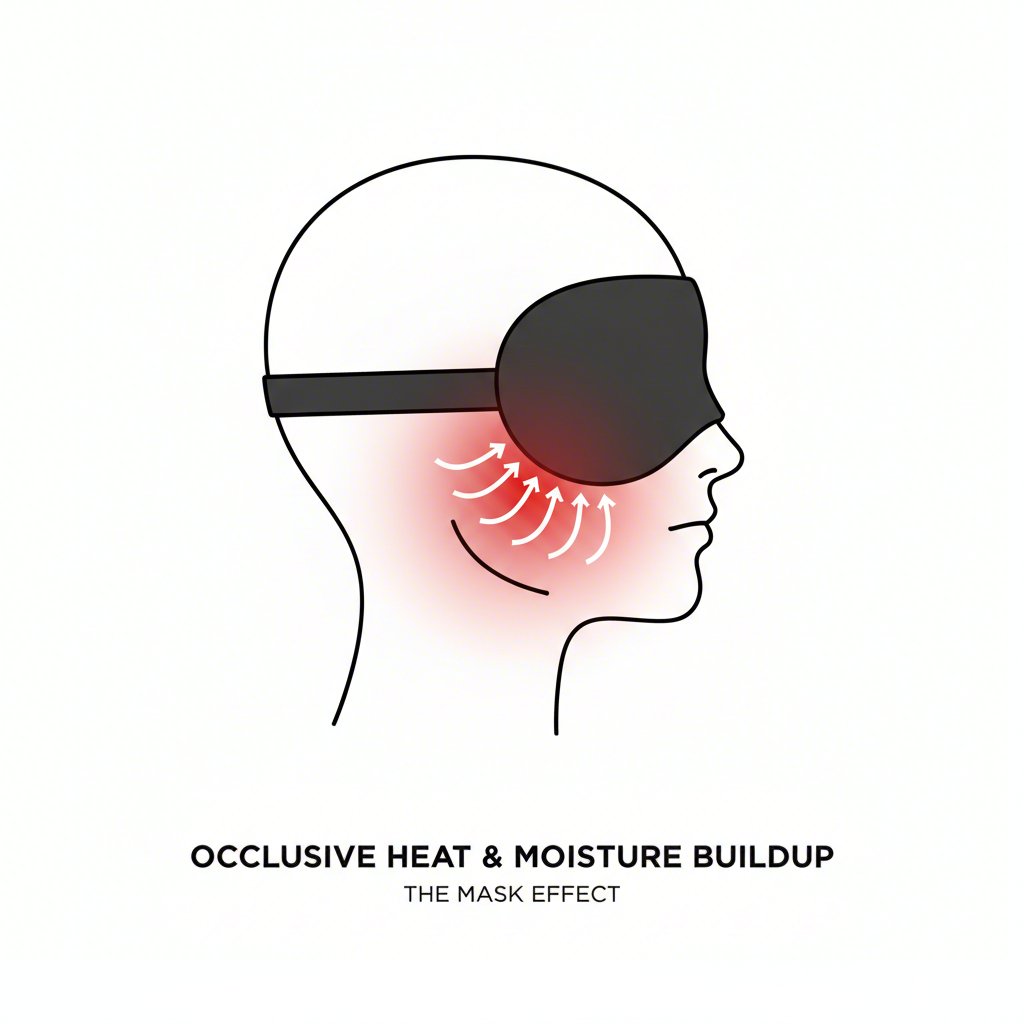
The primary drawback of this synthetic nature is that it can trap heat and moisture. As you sleep, your body naturally releases heat and perspiration. A non-breathable fabric like satin prevents this from evaporating, creating a warm, humid microclimate around your eyes. This can be particularly uncomfortable in warmer environments or for individuals who naturally sleep hot. Over the course of a night, this trapped moisture can lead to discomfort and interrupted sleep.
This issue is more than just a matter of comfort; it can directly impact your skin. According to sleep expert Dr. Linsday Browning, a poor-quality eye mask made from fabric that isn't breathable may cause you to sweat and overheat, and the fabric itself can be irritating. For those with sensitive, oily, or acne-prone skin, the combination of trapped sweat and friction can potentially clog pores and exacerbate skin issues. This stands in stark contrast to natural fibers like silk or cotton, which are known for their ability to wick moisture and allow the skin to breathe.
Satin vs. Silk: The Ultimate Sleep Mask Material Showdown
The choice between a satin and a silk sleep mask is one of the most common dilemmas for shoppers. While they may feel similar at first touch, their properties are fundamentally different. Silk is a natural protein fiber produced by silkworms, celebrated for its luxurious feel, breathability, and skin-friendly qualities. Satin, on the other hand, is a synthetic fabric created with a specific weave to achieve a glossy surface, making it a budget-friendly alternative that mimics silk's smoothness.
Understanding the key differences is essential to making an informed decision that aligns with your priorities, whether they be skin health, budget, or maintenance. Silk's natural composition makes it inherently hypoallergenic and temperature-regulating, keeping you cool and comfortable. Satin provides a similar frictionless surface that can help prevent sleep creases and hair tangling, but without the natural benefits of silk. For businesses or individuals looking to source high-quality materials, options for wholesale silk sleep masks provide access to premium, customizable products that leverage these natural benefits.
To simplify the comparison, here is a detailed breakdown of how these two popular materials stack up against each other across several important factors.
| Feature | Satin Sleep Mask | Silk Sleep Mask |
|---|---|---|
| Breathability | Low; synthetic fibers trap heat and moisture. | High; natural fiber allows for air circulation, keeping skin cool. |
| Hypoallergenic Properties | Generally hypoallergenic but can trap allergens. | Naturally hypoallergenic and resistant to dust mites and mold. |
| Moisture Retention | Does not absorb moisture, which can trap sweat against the skin. | Does not absorb moisture, helping skin retain its natural hydration. |
| Feel on Skin | Smooth and soft, but can feel clammy if you sweat. | Incredibly smooth, soft, and gentle, reducing friction. |
| Durability & Care | Generally durable and often machine washable, but can be prone to fraying. | Delicate and often requires hand-washing or gentle cycles to maintain its texture. |
| Cost | Very affordable and widely available. | Premium price point due to natural origin and complex production. |
Making Your Choice
Ultimately, the best choice depends on your personal needs. Choose a silk mask if: You have sensitive or acne-prone skin, you are a hot sleeper, or you prioritize the long-term skin health benefits and are willing to invest more. Choose a satin mask if: Your primary concerns are budget and finding a wide variety of styles, and you are less concerned about potential heat retention.
Beyond the Fabric: Essential Qualities of a High-Performance Sleep Mask
While the material is a critical factor, it's not the only element that defines a great sleep mask. A truly effective mask must also excel in design and functionality to deliver on its promise of deep, uninterrupted rest. Even the most breathable fabric won't help if the mask constantly slips off or lets in distracting light from the sides.
The single most important job of a sleep mask is to create total darkness, which signals to your brain that it's time to produce melatonin, the sleep hormone. Look for masks that guarantee 100% light blackout. High-end designs, like those from Manta Sleep, often feature adjustable, contoured eye cups that create a perfect seal around your eyes without putting any pressure on your eyelids or lashes. This allows for REM sleep without restriction and ensures no light leaks in, even when you move.
Fit and adjustability are equally crucial. A one-size-fits-all elastic band can often be too tight, causing discomfort, or too loose, causing the mask to fall off. A superior mask will have an infinitely adjustable head strap to ensure a personalized, secure fit that stays in place all night. Furthermore, features like tapered eye cups are specifically designed for side sleepers, preventing the mask from shifting or digging into your temples.
What to Look For in a Sleep Mask Checklist:
Material: Choose based on your priorities (Silk for skin health, Satin for budget, Cotton for balanced breathability).
Light Blocking: Aim for a design that offers a 100% blackout seal.
Fit: An adjustable strap is non-negotiable for a secure, comfortable fit.
Design: Contoured eye cups prevent eye pressure and allow for REM movement.
Care: Check if the mask is machine washable for convenient hygiene.
Frequently Asked Questions
1. Is silk or satin better for a sleep mask?
Silk is generally considered better for a sleep mask, especially for those with sensitive skin. As a natural fiber, silk is highly breathable, hypoallergenic, and helps your skin retain moisture. Satin is a type of weave, not a fiber. When made from synthetic fibers like polyester, it is a more affordable alternative that feels smooth but lacks the breathability of silk and can trap heat, potentially causing sweating or irritation.
2. What are the benefits of a satin sleeping mask?
The main benefits of a satin sleeping mask are its affordability and smooth, frictionless surface. This smoothness is gentle on the skin and hair, helping to reduce sleep creases and prevent hair tangling. Satin masks are also widely available in many styles and are typically easy to care for.
3. What is the best fabric for a sleep mask?
The best fabric depends on your priorities. Silk is the premium choice for skin health, breathability, and hypoallergenic properties. Cotton is another excellent natural fiber that is very breathable and durable, making it great for hot sleepers. Satin offers a silk-like feel at a much lower cost, making it a great budget-friendly option if breathability is not your top concern.
4. Do sleep masks make you sweat?
Sleep masks can make you sweat if they are made from non-breathable materials, such as satin woven from synthetic fibers like polyester. These fabrics trap heat and moisture against your skin, which can lead to sweating and overheating. To avoid this, choose a mask made from a natural, breathable fabric like silk or cotton.


 Send Email
 售前客服
售前客服 Skype
Skype WhatsApp