



Satin Sleep Mask Durability: What to Know Before You Buy
TL;DR
The durability of a satin sleep mask hinges on its material quality, strap construction, and stitching. While satin is often more robust and easier to care for than silk, its lifespan—typically up to 18 months for a quality mask—ultimately depends on proper, gentle washing. The most common point of failure is the strap, so look for sturdy designs and reinforced attachment points to ensure longevity.
Understanding Key Durability Factors in Sleep Masks
When you're searching for a sleep mask that will last, it’s about more than just the fabric. True satin sleep mask durability comes from a combination of high-quality materials, thoughtful construction, and resilient components. A well-made mask can be a nightly companion for a long time, while a poorly constructed one might fail after just a few months. Generally, a high-quality sleep mask can last up to 18 months with proper care, but understanding what to look for can help you select one that meets or exceeds that expectation.
The first factor is the material itself. Satin is a type of weave, not a fiber, and can be made from various materials like polyester, rayon, or nylon. This synthetic nature often gives it an edge in durability over natural fibers like silk. It's typically more resistant to wear and tear and less prone to damage from washing. However, not all satin is created equal. A thicker, well-woven satin will invariably last longer than a thin, flimsy one. When shopping, feel the fabric; a substantial weight is often a good indicator of quality.
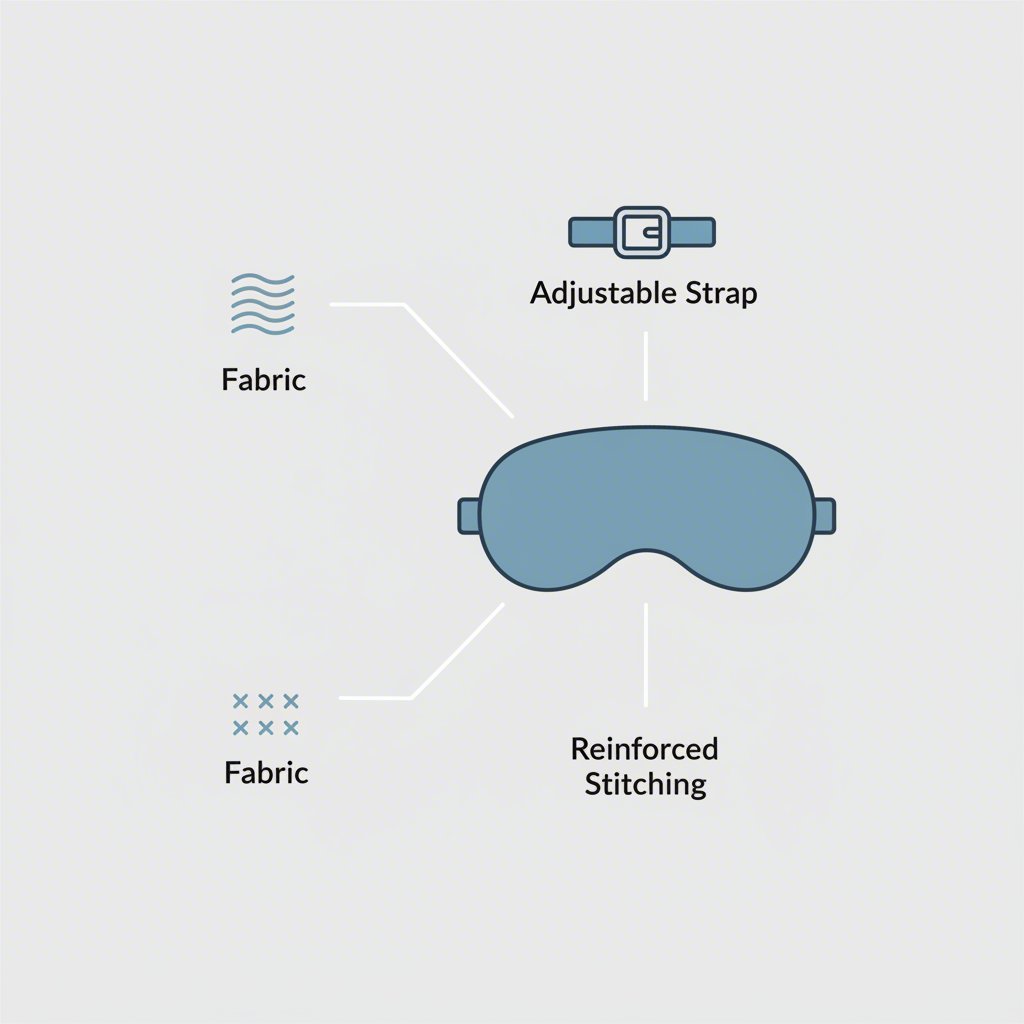
Beyond the fabric, the strap is the most critical component for longevity. It's also the most common point of failure. Straps come in two primary designs: adjustable sliding buckles and Velcro closures. While Velcro offers a wide range of adjustability, it can lose its grip over time, get tangled in hair, and even damage pillowcases. As noted in some user reviews, Velcro straps can give out after the first wash. Sliding buckles, on the other hand, tend to be more durable and maintain their tension longer without causing collateral damage. Also, pay close attention to how the strap is attached to the mask. Reinforced stitching at this stress point is a clear sign of a durable design.
Finally, the overall build quality, including the stitching and any contoured shaping, plays a significant role. Masks with molded foam eyecups offer the benefit of preventing pressure on your eyelids, but the fabric covering can sometimes come unglued over time. Look for clean, tight stitching around the edges. A well-constructed mask will feel solid and hold its shape, even when pressed or folded. A good test is to gently tug at the seams and strap connection points; they should feel secure and unyielding.
| Durability Factor | What to Look For | Common Failure Points |
|---|---|---|
| Material | Thick, high-quality satin weave; feels substantial. | Thin fabric that pills, tears, or wears out quickly. |
| Strap Type | Adjustable sliding buckles for consistent tension. | Velcro that loses grip, snags hair, or fails after washing. |
| Stitching | Reinforced stitching, especially where the strap connects. | Frayed seams or straps that detach from the mask body. |
| Construction | Holds its shape; fabric is securely attached to any foam core. | Fabric ungluing from molded cups; mask deforming easily. |
Satin vs. Silk: A Head-to-Head Comparison for Longevity and Comfort
The choice between a satin and a silk sleep mask is one of the most common dilemmas for shoppers. Both offer a smooth, luxurious feel, but they have distinct differences in durability, care, and skin benefits. Understanding these trade-offs is key to selecting the right mask for your needs and ensuring it lasts. While both can enhance sleep quality by effectively blocking light, their underlying properties cater to different priorities.
Satin, as a synthetic weave, generally boasts superior durability and easier maintenance. According to a comparison by Srhythm, satin is more robust and can often withstand more rigorous washing methods, including machine washing on a gentle cycle. This makes it a practical choice for everyday use, especially for those who prefer low-maintenance accessories. Its affordability is another major advantage; satin provides a silk-like smoothness and functionality at a much lower price point, making high-quality sleep accessible to more people.
Silk, on the other hand, is a natural protein fiber prized for its skin-friendly properties. It's hypoallergenic, breathable, and less absorbent than other materials, helping your skin retain its natural moisture overnight. This makes it an excellent choice for those with sensitive or acne-prone skin. However, this luxury comes with a trade-off in durability and care. Silk is more delicate and typically requires careful handwashing with a mild detergent to maintain its texture and integrity. While it is a strong natural fiber, it's more susceptible to damage from harsh chemicals and improper handling.
For those who prioritize the natural benefits and luxurious feel of silk, several options are available. Businesses seeking premium, customizable options might consider providers like Bincai International, which offers wholesale silk sleep masks with OEM services for branding. This highlights the demand for high-quality silk in both personal and commercial markets. Ultimately, the decision comes down to your personal priorities. If your main concerns are cost-effectiveness and robust, easy-to-clean durability, satin is an excellent choice. If you prioritize skin health, natural fibers, and are willing to invest more time in gentle care, silk is the superior option.
| Feature | Satin Sleep Mask | Silk Sleep Mask |
|---|---|---|
| Durability | Generally more robust and resilient. | Strong natural fiber but more delicate overall. |
| Care Instructions | Often machine washable on a gentle cycle; easier to care for. | Typically requires handwashing with mild soap. |
| Cost | More affordable and budget-friendly. | Higher price point due to natural origin and processing. |
| Skin & Hair Benefits | Smooth surface reduces friction, preventing hair tangles and skin creases. | Hypoallergenic, breathable, and helps skin retain moisture. |
Extending Your Sleep Mask's Life: Washing and Care Instructions
Proper care is the single most important factor in maximizing the lifespan of your satin sleep mask. Even the most durable mask can be ruined by improper washing. Regular cleaning is essential for hygiene, as oils and skincare products can build up on the fabric, but it must be done gently to protect the material and preserve the integrity of the strap. The goal is to remove impurities without stretching the elastic, damaging the fibers, or weakening the seams.
Handwashing is universally the safest method for cleaning any sleep mask, whether it's satin or silk. Machine washing, even on a delicate cycle, introduces risk from agitation and high-speed spinning, which can stretch straps and damage contoured shapes. As one detailed sleep mask guide from Chromakode points out, handwashing is so easy that it makes machine washability a minor factor. Committing to a gentle handwashing routine will pay dividends in the form of a longer-lasting, more comfortable sleep accessory.
Follow these simple steps to wash your satin sleep mask correctly:
Prepare the Basin: Fill a clean sink or basin with cool or lukewarm water. Never use hot water, as it can cause colors to bleed and may damage delicate fibers or elastic components.
Add Mild Soap: Add a very small amount of gentle, pH-neutral soap or a detergent designed for delicates. Avoid harsh detergents, bleach, or fabric softeners.
Submerge and Swirl: Place the mask in the soapy water and gently swirl it around for a minute. Let it soak for just a few minutes—three to five is usually sufficient. Avoid vigorous scrubbing.
Rinse Thoroughly: Drain the soapy water and refill the basin with clean, cool water. Rinse the mask by gently pressing it until all soap residue is gone. Repeat if necessary.
Dry Correctly: Do not wring or twist the mask, as this will stretch and damage it. Gently squeeze out excess water, then lay it flat on a clean, dry towel. Reshape it if necessary and let it air dry completely away from direct sunlight or heat.
To further ensure your mask lasts, follow these simple do's and don'ts:
Do: Wash your mask regularly (e.g., weekly) to prevent buildup of oils and bacteria.
Don't: Use a machine dryer, as the high heat can destroy the elastic and warp the fabric.
Do: Store your mask in a clean, dry place, like a pouch or bedside drawer, to protect it from dust and damage.
Don't: Pull on the mask by the strap to remove it; lift it gently from the body of the mask to reduce stress on the attachment points.
Frequently Asked Questions
1. Are satin sleep masks good?
Yes, satin sleep masks are an excellent choice for improving sleep quality. They are highly effective at blocking out light, which helps promote the production of melatonin, the body's natural sleep hormone. Their smooth surface is gentle on the skin and hair, reducing friction that can lead to creases and tangles. Satin offers a great balance of comfort, durability, and affordability, making it a popular and practical option.
2. How long do sleep masks last?
The lifespan of a sleep mask depends on its material and how well it's cared for. A high-quality satin or silk sleep mask can generally last up to 18 months. Cheaper masks made from cotton or foam may only last about a year. The most common reasons for replacement are stretched-out straps, frayed fabric, or a loss of shape that allows light to leak in.
3. Can you wash a satin sleep mask?
Absolutely. It is highly recommended that you wash your satin sleep mask regularly to keep it hygienic. The best and safest method is to handwash it in cool water with a small amount of mild soap. Gently swirl it, let it soak for a few minutes, rinse thoroughly, and then lay it flat to air dry. Avoid hot water, harsh detergents, and machine dryers to preserve its shape and elasticity.


 Send Email
 售前客服
售前客服 Skype
Skype WhatsApp