



Essential Fixes for Common CPAP Mask Problems
TL;DR
Most common sleep mask issues, particularly with CPAP devices, stem from an incorrect fit, improper size, or inadequate maintenance. Frustrating problems like air leaks, skin irritation, and red marks are often solvable. The key solutions involve correctly adjusting the mask straps for a snug but comfortable seal, ensuring the mask cushion is clean and in good condition, and selecting a mask style that suits your face shape and sleeping habits.
Solving the #1 Problem: Mask Leaks and Poor Seal
A persistent hissing sound or waking up with dry eyes are tell-tale signs of a CPAP mask leak. This is the most frequent complaint among users and can significantly undermine the effectiveness of sleep apnea therapy. When air escapes, the prescribed pressure isn't delivered to your airway, which can lead to the return of symptoms like snoring and daytime fatigue. The primary culprits are almost always related to fit and the condition of the mask itself.
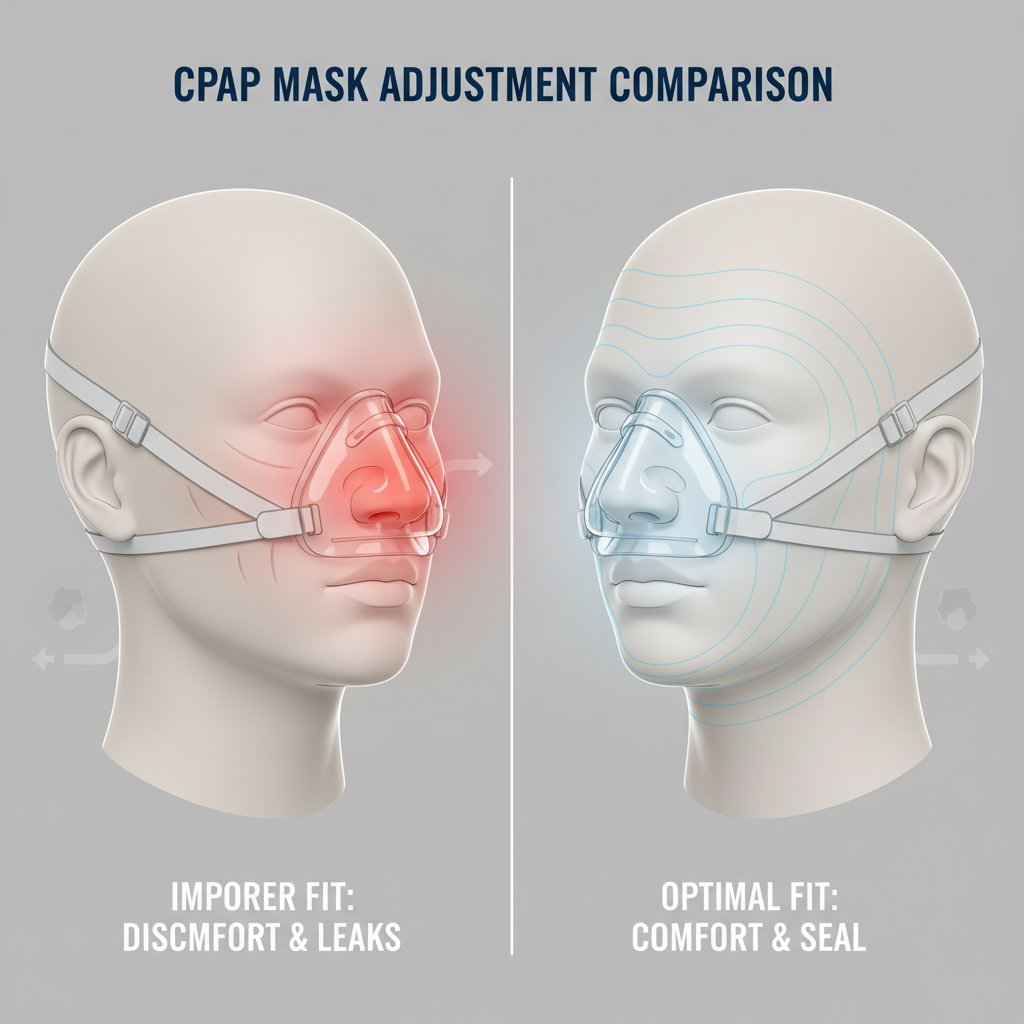
Leaks often happen because the mask doesn't conform perfectly to the unique contours of your face. This can be due to an incorrect size—a mask that's too large will have gaps, while one that's too small will create pressure points and break the seal. According to the Mayo Clinic, a mask that sits too high on the bridge of the nose is a common cause of leaks that direct air into the eyes. Over time, the silicone or gel cushion of the mask can also degrade, losing its ability to create a firm seal.
Proper adjustment is a critical skill. It's best to fit your mask while lying down in your usual sleeping position, as your facial muscles relax and change shape. With the machine on, gently tighten the straps until the leak stops. Over-tightening is a common mistake that can worsen leaks and cause discomfort. As one expert guide from Sleep for Health suggests, pull the mask away from your face for a moment and then let it resettle; this allows the cushion to inflate and seal correctly.
Here is a simple guide to adjusting your straps for an optimal seal:
Sit on your bed and place the mask on your face with the straps loose.
Turn on the CPAP machine so air is flowing.
Lie down in your typical sleeping position.
Slowly and evenly tighten the straps until you achieve a good seal without any significant leaking sounds.
Ensure the mask is snug but not uncomfortably tight. You should be able to fit a finger between the strap and your face.
Regularly inspect your mask cushion for signs of wear, stiffness, or cracks, and replace it according to the manufacturer's schedule.
| Strap Adjustment | Primary Effect | Potential Pitfall |
|---|---|---|
| Top Straps (Forehead) | Adjusts the angle and pressure on the bridge of the nose. | Over-tightening can cause leaks into the eyes or sores on the nose bridge. |
| Bottom Straps (Cheeks) | Secures the seal around the mouth and cheeks. | Over-tightening can press into the cheeks and cause jaw discomfort. |
Alleviating Skin Irritation and Red Marks
Waking up with red lines, sore spots, or even bruises on your face is a clear sign that your CPAP mask is causing skin irritation. These issues are not just cosmetic; they can be painful and may tempt you to abandon your therapy altogether. Fortunately, these problems are highly preventable and usually result from just a few correctable issues: over-tightening the headgear, a dirty mask, or an ill-fitting mask style.
The most common cause of pressure marks is cinching the straps too tightly in an attempt to prevent air leaks. A mask should create a seal with minimal pressure. If you have to tighten it excessively, it's likely the wrong size or style for your face, or the cushion is worn out. Another major contributor is hygiene. The American Association of Sleep Technologists points out that oil, sweat, and dirt can build up on the mask cushion, leading to skin irritation and breakouts. What might seem like an allergic reaction is often due to infrequent cleaning.
To combat these issues, establishing a daily cleaning routine is non-negotiable. Wiping down the mask cushion every morning with a damp cloth or a CPAP-safe wipe removes facial oils. A more thorough weekly cleaning with mild soap and warm water is also essential. For persistent pressure sores, accessories like Gecko nasal pads or mask liners such as RemZzz can provide a soft barrier between the mask and your skin.
Follow these steps to protect your skin:
Clean Daily: Wipe the mask cushion every day to remove oils and residue.
Wash Weekly: Disassemble and wash the mask, headgear, and tubing weekly in mild, soapy water. Rinse thoroughly and let air dry.
Check Your Fit: Loosen your straps slightly. The mask needs to be sealed, not clamped to your face. If it still leaks, you may need a different size.
Consider Liners or Pads: Soft fabric liners or gel pads can reduce friction and redistribute pressure.
Explore Different Mask Types: If a full-face mask is causing issues on your nose bridge, a nasal pillow mask that seals at the nostrils might be a better option.
Keeping Your Mask in Place All Night
It can be incredibly frustrating to do everything right only to wake up and find your CPAP mask on the pillow next to you, with no memory of taking it off. A mask that shifts or falls off completely during the night negates the benefits of your therapy. This issue typically arises from an incorrect fit, worn-out headgear, or excessive movement during sleep.
If your mask is too large, it will naturally shift as you change positions. Conversely, if the elastic straps on your headgear have lost their tension, they can no longer hold the mask securely in place. The solution starts with ensuring you have the right size and that all components are in good working order. When you get a new mask, test the fit by lying down and turning your head from side to side to see if it stays sealed and secure.
The material of your mask and straps can also play a role. Most CPAP masks use materials designed for a secure grip against the skin and hair. This contrasts with some lifestyle sleep masks designed purely for blocking light, which might use different materials. For example, while wholesale silk sleep masks from a supplier like Bincai International offer comfort, the materials required for a medical device like a CPAP mask must prioritize a stable seal throughout the night. If your mask continues to slip, you might explore headgear with more robust, dual-strap designs for added stability.
Use this checklist to diagnose why your mask might be falling off:
Is the size correct? Consult your equipment provider to be measured for the right size.
Is the headgear worn out? Straps should be replaced every six months or when they lose elasticity.
Are you an active sleeper? If you toss and turn, a mask with a top-of-head hose connection can reduce tugging and dislodging.
Is your hose getting tangled? A hose management system, like a holder or clip, can prevent the tube from pulling on your mask.
Frequently Asked Questions
1. Why is my CPAP mask not working?
If you feel your CPAP therapy isn't effective, several factors could be at play. The most common issue is an air leak from a poorly fitting mask, which prevents the correct air pressure from reaching your airway. Another possibility is that your prescribed pressure setting is no longer adequate, especially if you have experienced changes in weight. According to SleepApnea.org, persistent symptoms like snoring or daytime fatigue despite using your device are clear signs you should follow up with your doctor. They can review your machine's data and determine if adjustments to your pressure, mask, or overall treatment plan are needed.


 Send Email
 售前客服
售前客服 Skype
Skype WhatsApp