



A Practical Guide to Drawstring Bags for School Books

TL;DR
The best drawstring bag for school books must prioritize durability and comfort over the flimsy design of a typical gym sack. Look for options made from robust materials like heavy-duty canvas, high-denier polyester, or Oxford cloth. Essential features include reinforced seams to handle the weight of books, wide or padded straps that won't dig into shoulders, and at least one extra pocket for organizing smaller items like pens and keys.
Are Drawstring Bags a Good Choice for Heavy School Books?
When you picture a drawstring bag, you might think of the thin, lightweight sacks often used for gym clothes. While convenient, those standard bags aren't built for the sharp corners and significant weight of textbooks. However, the drawstring bag has evolved, and many modern designs are more than capable of handling academic demands. The key is knowing that not all drawstring bags are created equal, and choosing the right one makes all the difference.
A well-made drawstring bag can be an excellent, lightweight alternative to a traditional bulky backpack. According to an article from Tote Bag Factory, they offer a simple solution for transporting school supplies without unnecessary weight. This makes them ideal for students who don't have to carry their entire locker's worth of books every day, or for specific uses like trips to the library or carrying materials for a single class.
The primary drawback of any drawstring bag is the potential for less ergonomic support compared to a structured backpack. The simple cord straps can concentrate weight on the shoulders, which can be uncomfortable with heavy loads. Furthermore, they typically offer less internal organization. To decide if it's the right choice, it's helpful to weigh the advantages and disadvantages.
Pros and Cons of Using a Drawstring Bag for Books
Pros:
Lightweight: They add minimal weight, meaning the student is only carrying the weight of the contents.
Simplicity: The single main compartment and cinch closure make them easy to pack and access quickly.
Compact Storage: When empty, they can be folded or rolled up to a very small size, perfect for storing in a locker or another bag.
Cons:
Less Support: Thin cord straps can be uncomfortable and provide poor weight distribution for heavy loads.
Limited Organization: Most basic models lack the multiple compartments and pockets found in traditional backpacks.
Durability Concerns: Cheaper, thinner materials can easily tear under the strain of heavy books with sharp corners.
Ultimately, a drawstring bag is a practical choice for students with a lighter book load, for shorter commutes, or for days with fewer classes. The crucial step is to select a heavy-duty model designed specifically for more demanding use, rather than a promotional-grade gym sack.
How to Choose the Best Drawstring Bag for School: Key Features
To ensure a drawstring bag can stand up to the rigors of school life, you need to look beyond the basic design and focus on the features that provide durability, comfort, and functionality. The best bags excel in three key areas: material, construction, and strap design. Paying close attention to these elements will help you find a bag that lasts the entire school year and beyond.
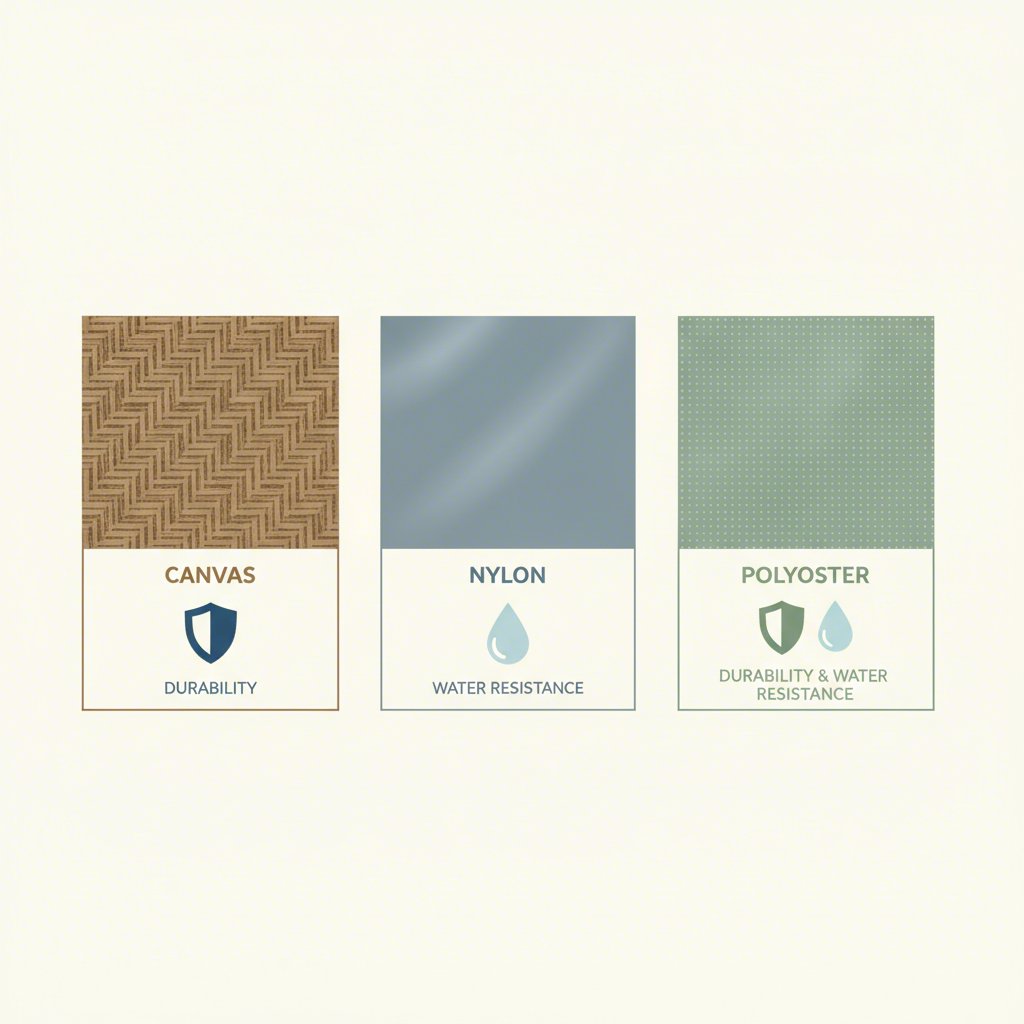
The material is arguably the most important factor. A guide on choosing drawstring backpacks by Yanxinbag highlights that for school use, thicker and more durable fabrics are essential. Materials like canvas, Oxford cloth, and high-denier polyester offer the wear resistance needed to handle books and frequent use. These fabrics are less likely to puncture or tear compared to the thin non-woven materials of cheaper alternatives. Many of these materials also offer a degree of water resistance, protecting books from light rain.
Beyond the fabric, the bag's construction is critical. Look for signs of quality craftsmanship, such as reinforced seams, especially at the bottom corners where the straps are anchored. Double-stitching adds significant strength and prevents the straps from pulling out under weight. Another useful feature is an extra pocket, often with a zipper, which provides a secure place for smaller items like a phone, wallet, or stationery, keeping them separate from the main book compartment.
For businesses or schools looking to source durable bags in bulk, suppliers specializing in custom orders can be invaluable. For instance, global wholesalers like Bincai Import and Export Co., LTD offer extensive experience in creating custom drawstring bags from a variety of robust materials, allowing for specific features and logos tailored to organizational needs.
Material Comparison for School Drawstring Bags
| Material | Durability | Water Resistance | Best For |
|---|---|---|---|
| Canvas | Excellent | Low (unless treated) | Heavy textbooks and daily, rugged use. |
| High-Denier Polyester | Good | Good | All-around school use, offering a balance of strength and weather protection. |
| Nylon / Oxford Cloth | Very Good | Excellent | Students in rainy climates or those who need extra protection for electronics. |
| Cotton | Good | Low | Lighter book loads and eco-conscious users. |
Buyer's Checklist for a School-Ready Drawstring Bag
Durable Fabric: Choose canvas, Oxford cloth, or a thick polyester.
Reinforced Stitching: Check the seams and corner grommets for extra reinforcement.
Wide or Padded Straps: Opt for thicker cords or flat, strap-like drawstrings for better comfort.
Adequate Size: Ensure it's large enough to fit standard textbooks and notebooks without straining the seams.
Exterior Pockets: A front zipper pocket is highly recommended for organization and quick access to essentials.
Top Types of Drawstring Bags for School Books
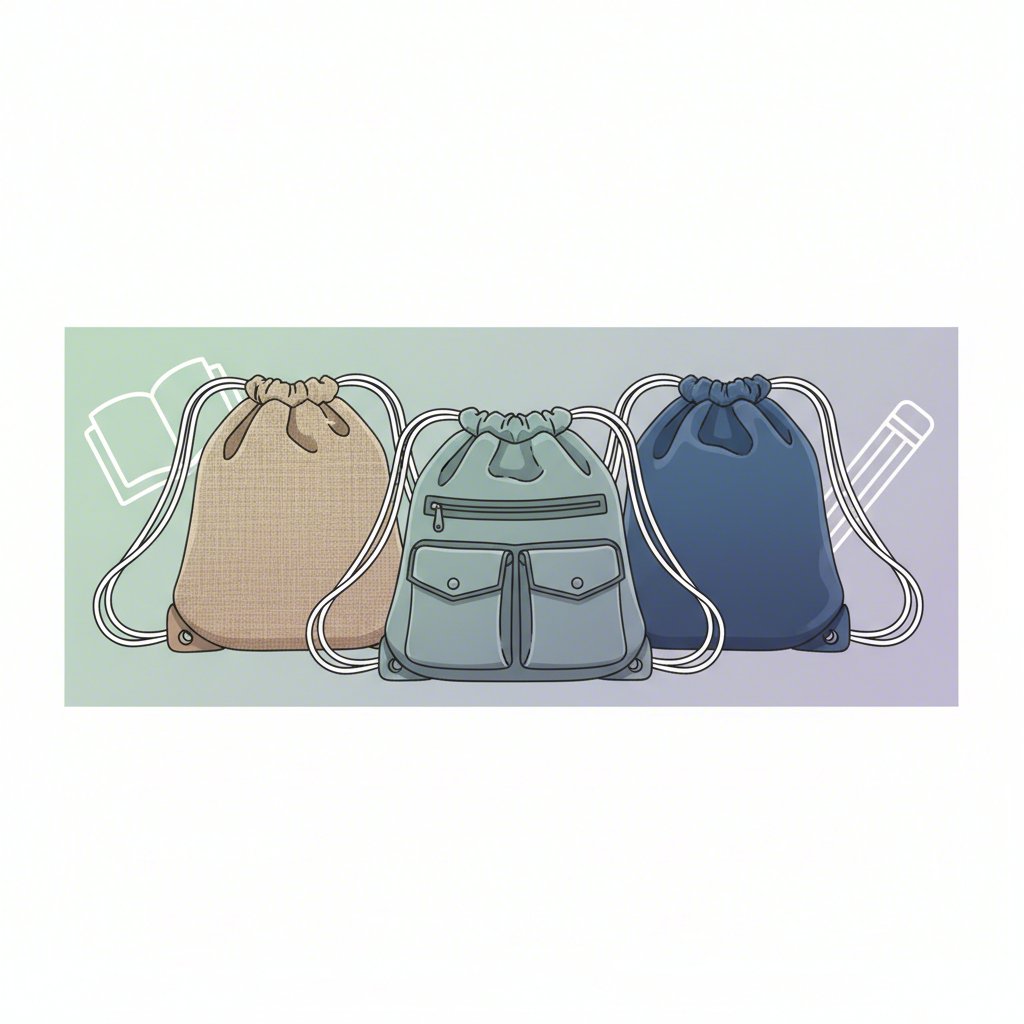
Instead of focusing on specific brands, the most effective way to shop for a school drawstring bag is to identify the category that best fits your needs. Each type emphasizes different features, from pure strength to organizational prowess. Here are some of the top archetypes to look for.
1. The Heavy-Duty Canvas Book Bag
This is the workhorse of drawstring bags. Made from thick, sturdy canvas, this style is built to withstand the weight and sharp edges of multiple textbooks. It often features metal grommets for the rope anchors and thick, soft cords that are more comfortable on the shoulders. It’s a no-frills option focused entirely on durability.
Key Features: Thick canvas material, reinforced stitching, heavy-duty draw-cords.
Best For: Students who carry several heavy books and prioritize longevity over extra features.
2. The Water-Resistant Nylon Organizer
Perfect for students who walk or bike to school, this bag is typically made from durable nylon or Oxford cloth with a water-resistant coating. Its main advantage is protecting contents from rain and spills. These models often include multiple pockets, such as a zippered front pouch and sometimes even an internal sleeve for a small tablet or notebook.
Key Features: Water-resistant nylon or polyester, multiple zippered pockets, sometimes includes mesh side pockets for a water bottle.
Best For: All-weather commuters and students who need better organization.
3. The Multi-Pocket Polyester Pack
This type bridges the gap between a simple drawstring bag and a traditional backpack. Made from durable polyester, its defining characteristic is its focus on storage options. You can expect to find a large main compartment supplemented by one or more external zippered pockets, making it easy to separate books from smaller items like calculators, pens, and snacks.
Key Features: 600D polyester fabric, multiple storage compartments, often features wider, more comfortable straps.
Best For: Students who need to carry a variety of school supplies and want to keep them organized.
4. The Eco-Friendly Cotton Bag
For those with a lighter load and an eye on sustainability, a drawstring bag made from organic or recycled cotton is a great choice. While generally not as rugged as canvas or synthetic options, a well-made cotton bag is perfectly suitable for carrying a few notebooks, a paperback, and other daily essentials. They are also soft, lightweight, and easily washable.
Key Features: Natural cotton fabric, simple design, often available in a wide range of colors and prints.
Best For: Eco-conscious students with a light carrying load or for use as a library bag.
Making the Right Choice for Your Needs
Choosing the best drawstring bag for school books comes down to balancing portability with durability. While a standard gym sack won't survive the daily grind of textbooks and binders, a well-chosen, heavy-duty alternative can be a fantastic, lightweight solution. By prioritizing strong materials like canvas or thick polyester, checking for reinforced construction, and opting for comfortable, wide straps, you can find a bag that is both practical and long-lasting.
Remember to consider the daily load. For students carrying just a few books and a notebook, almost any durable option will suffice. For those with a heavier academic burden, investing in a model with enhanced features like extra pockets and superior materials is a wise decision. Ultimately, the right drawstring bag simplifies the school day without sacrificing the ability to carry essential learning tools.
Frequently Asked Questions
1. What do college students use to carry books?
College students use a variety of bags to carry books, largely depending on their course load and personal preference. Traditional backpacks remain the most popular choice due to their large capacity and ergonomic support for heavy loads that often include laptops. However, tote bags are also very common for carrying a few books and a notebook for a single class, while messenger bags offer a more professional look. Drawstring bags are typically used for lighter days or for specific activities like going to the gym between classes.
2. What is a Japanese drawstring bag called?
A traditional Japanese drawstring bag is called a "kinchaku." These bags are used to carry personal belongings and come in various sizes. Smaller kinchaku are often used for coins, cosmetics, or charms, while larger versions can function as a type of handbag. They are typically made from decorative fabrics and are a common accessory, especially when wearing traditional attire like a kimono or yukata.


 Send Email
 售前客服
售前客服 Skype
Skype WhatsApp