



Binder Pouch vs Standalone Case: Which Is Best for You?
TL;DR
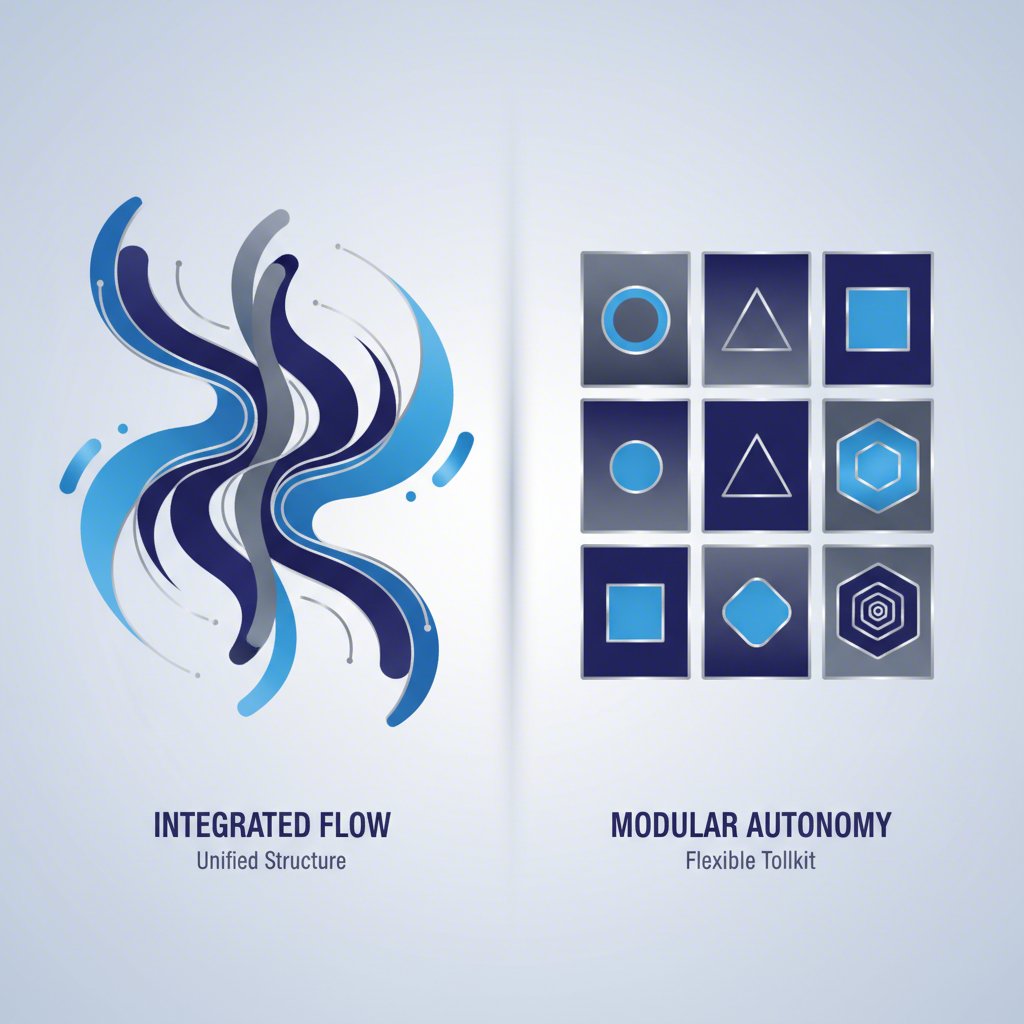
Choosing between a binder pouch and a standalone case comes down to a simple trade-off: integration versus independence. A binder pouch offers excellent security by attaching directly to your binder rings, making it difficult to forget or misplace. A standalone case provides far greater capacity and portability, acting as a centralized toolkit for all your supplies, but it's another item you have to remember to carry.
The Core Contenders: Defining Binder Pouches and Standalone Cases
Before diving into a head-to-head comparison, it's essential to understand the fundamental design of each organizational tool. Though both are made to hold writing instruments and supplies, their core concepts serve different needs. The primary distinction lies in whether you prefer your tools integrated with your notes or consolidated in a separate, portable unit.
A binder pouch is specifically designed to live inside a 2- or 3-ring binder. These pouches are typically flat and feature reinforced holes or grommets that allow them to be snapped directly onto the binder's rings. As described in product details from retailers like School Specialty, many have a clear vinyl or mesh front so you can see the contents at a glance. Their main purpose is to keep essential supplies paired with the specific subject matter in the binder, ensuring that the right tools are always with the right notes.
A standalone case, on the other hand, is any self-contained pencil box, bag, or pouch that is not designed to be attached to a binder. These come in a vast array of shapes, sizes, and materials, from simple zippered bags to structured, multi-compartment boxes. Their key advantage is versatility and capacity. A standalone case functions as a central hub for all your supplies, which you can easily grab and take with you to different classes, meetings, or workspaces without needing to carry a large binder.
For those looking for tailored solutions, especially for schools or corporate events, some suppliers specialize in custom options. For instance, Bincai International offers custom mesh pencil pouches, providing wholesale and OEM services that allow for branding and personalization, demonstrating the versatility available in the market.
Organization and Accessibility: Integrated vs. Centralized
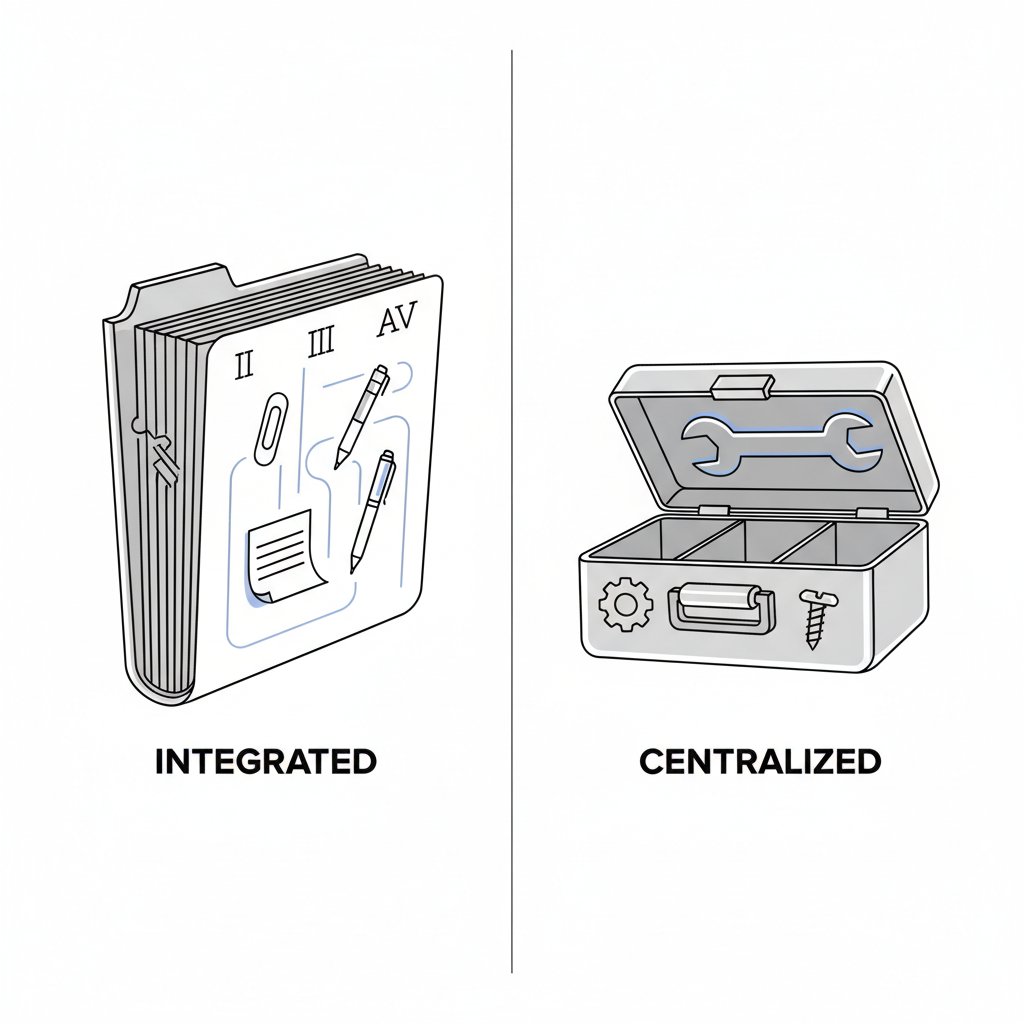
How you prefer to organize your supplies is one of the most significant factors in the binder pouch vs. standalone case debate. One method keeps tools contextually with your work, while the other centralizes them for universal access. Each approach has distinct advantages and disadvantages depending on your workflow and personal style.
A binder pouch excels at subject-specific organization. By placing a pouch in your math binder, you ensure your protractor, compass, and graphing calculator are always with your math homework. This integrated system prevents you from forgetting subject-specific tools. However, this can also mean you need to purchase duplicate supplies for different binders, or you'll be moving items between pouches frequently. Accessibility can also be slightly slower, as you need to open the binder to get to your pouch.
A standalone case operates on a centralized model. All your pens, pencils, highlighters, and tools are in one spot, ready to be deployed for any task. As noted in comparisons, these cases often feature multiple pockets, elastic loops, and compartments that allow for meticulous internal organization. This is highly efficient if you use the same set of tools across multiple subjects or projects. The main drawback is that the case is disconnected from your notebooks, making it a separate item to track and carry.
Pros and Cons of Each Organizational Style
Binder Pouch
Pros: Supplies are always with the relevant subject matter, reducing the chance of forgetting specific tools.
Cons: Can create bulk within a single binder and may require duplicate supplies for different subjects.
Standalone Case
Pros: All tools are centralized in one portable kit; often features superior internal organization with multiple compartments.
Cons: It's a separate item that can be forgotten or misplaced, and it's not integrated with your notes.
Portability vs. Security: Grab-and-Go vs. Attached for Good
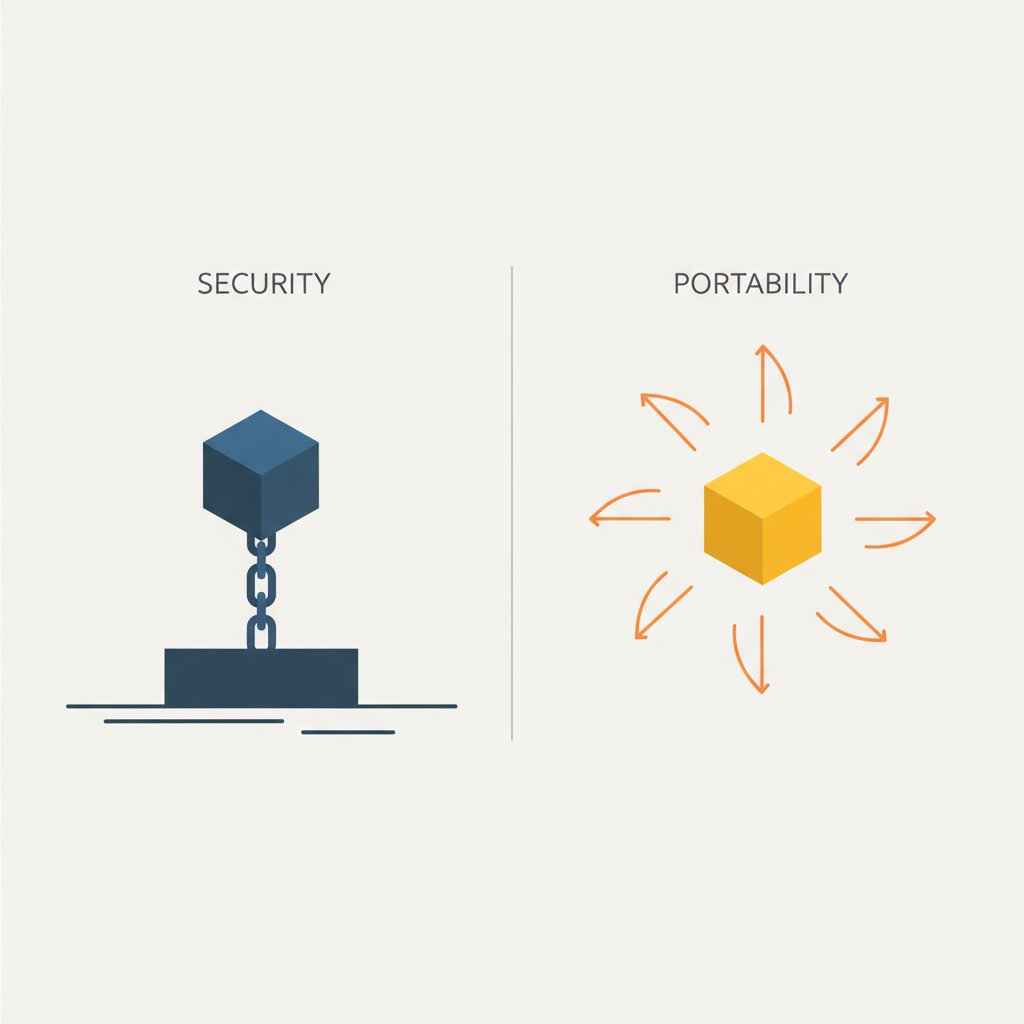
The next critical point of comparison is the trade-off between the grab-and-go flexibility of a standalone case and the built-in security of a binder pouch. Your tendency to misplace things might be the deciding factor here. The core conflict is simple: one is easy to take anywhere, while the other is hard to leave behind.
The standout feature of a binder pouch is its security against loss. Because it's physically attached to your binder, you're far less likely to accidentally leave it in a classroom, library, or coffee shop. As long as you remember your main binder, your essential supplies are guaranteed to come with you. This makes it an excellent choice for students or professionals who are prone to misplacing smaller items. The trade-off, however, is a lack of portability. If you only need your pens for a quick meeting and don't want to lug your entire binder, a pouch is inconvenient.
A standalone case is the champion of portability. It's a self-sufficient kit you can toss in any bag or carry on its own. This flexibility is ideal for artists who need their tools in the studio, students heading to a study group with just a notebook, or anyone who moves between different work locations. The inherent risk, of course, is that it's much easier to lose. A small pencil case can easily be left behind, sending you on a frustrating search for your favorite pen.
| Feature | Binder Pouch | Standalone Case |
|---|---|---|
| Security (Against Loss) | High | Low |
| Portability (Flexibility) | Low | High |
Capacity and Versatility: Minimalist Kit vs. Full Toolkit
The final major difference between a binder pouch and a standalone case is the sheer volume and variety of items each can hold. Your choice will heavily depend on whether you're a minimalist who carries only the essentials or someone who needs a comprehensive toolkit at all times. Generally, standalone cases offer significantly more space and versatility.
Binder pouches are, by design, slim and compact. They must be relatively flat to avoid creating excessive bulk that could damage the binder's rings or make it difficult to close. This form factor makes them perfect for a core set of supplies: a few pens, a pencil, an eraser, and perhaps a small highlighter. They are not well-suited for bulky items like calculators, scissors, glue sticks, or large sets of markers.
Standalone cases have no such design constraints. They come in all shapes and sizes, from small sleeves to large, boxy cases with multiple zippered levels. This allows them to accommodate not only a wider variety of supplies but also much larger quantities. A standalone case can easily hold everything a binder pouch can, plus bulkier essentials like a scientific calculator, a small ruler, scissors, and a full set of colored pens. This makes them the clear choice for artists, crafters, and anyone with a substantial collection of tools.
What's on Your Supply List?
Use this checklist to see which option better fits your needs:
Choose a Binder Pouch if you carry: A few pens and pencils, an eraser, a slim highlighter, and lead refills.
Choose a Standalone Case if you carry: Everything above, plus a calculator, scissors, a ruler, glue stick, sticky notes, and large sets of pens or markers.
Frequently Asked Questions
1. Which is better, a pencil pouch or a box?
A pouch is generally more lightweight and flexible, making it easier to fit into a crowded backpack. A box, which is a type of standalone case, offers better protection for fragile items like mechanical pencils or fountain pens and often has more rigid compartments for organization. The choice depends on whether you prioritize lightweight portability (pouch) or sturdy protection (box).
2. What is the main difference between a pencil pouch and a case?
The primary difference often comes down to capacity and structure. As noted in product comparisons, pencil cases generally offer more size and space options, making them suitable for a wide range of supplies, including bulky items. Binder pencil pouches are designed to be compact to fit inside a binder and typically hold fewer items to avoid creating bulk.


 Send Email
 售前客服
售前客服 Skype
Skype WhatsApp