



A Guide to Pencil Pouch Materials: Canvas, Nylon, and More
TL;DR
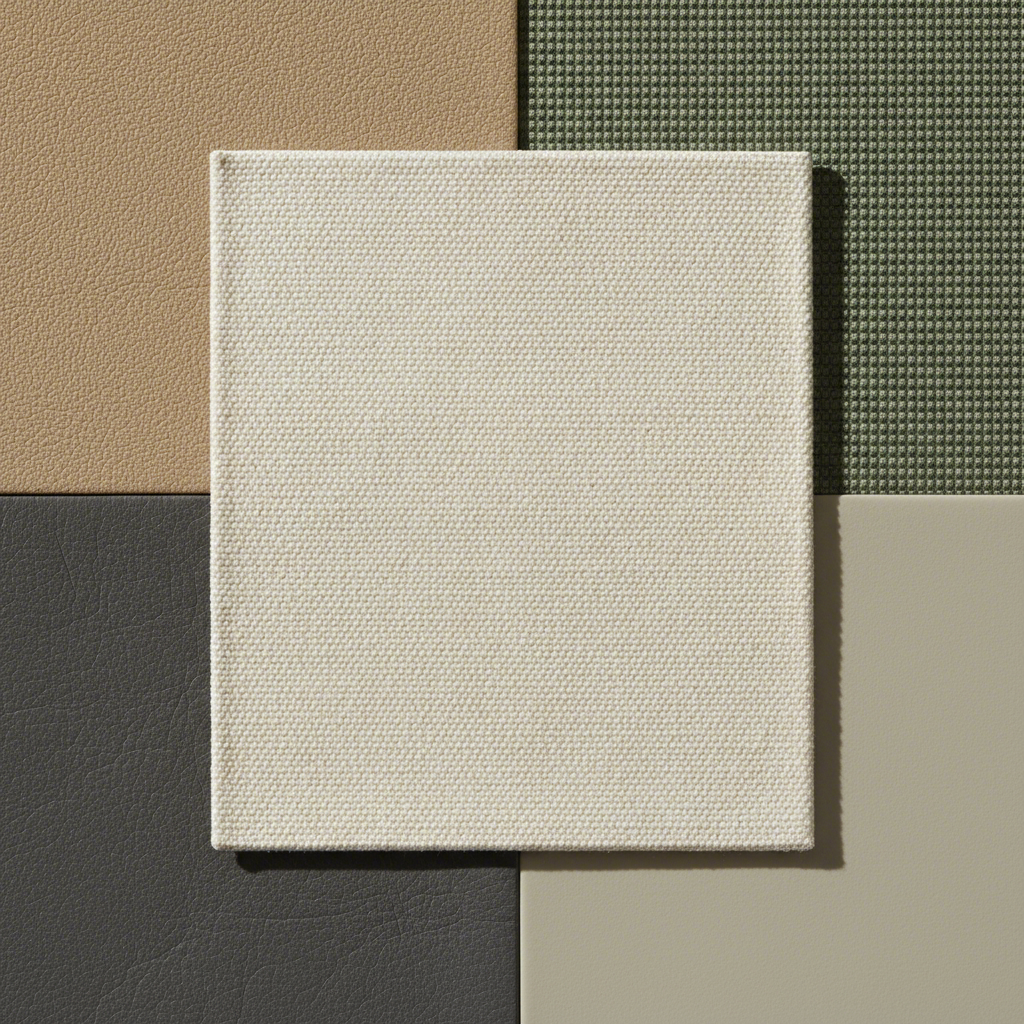
Choosing the right material for a pencil pouch involves balancing durability, function, and personal style. Classic fabrics like canvas offer affordability and a pleasant texture, while lightweight nylon provides excellent water resistance. For a more premium feel, leather delivers longevity and elegance. Modern options like protective EVA hardshells or transparent mesh cater to specific needs, from safeguarding fragile tools to offering quick visibility of your supplies.
Classic Fabric Showdown: Canvas, Nylon, and Leather
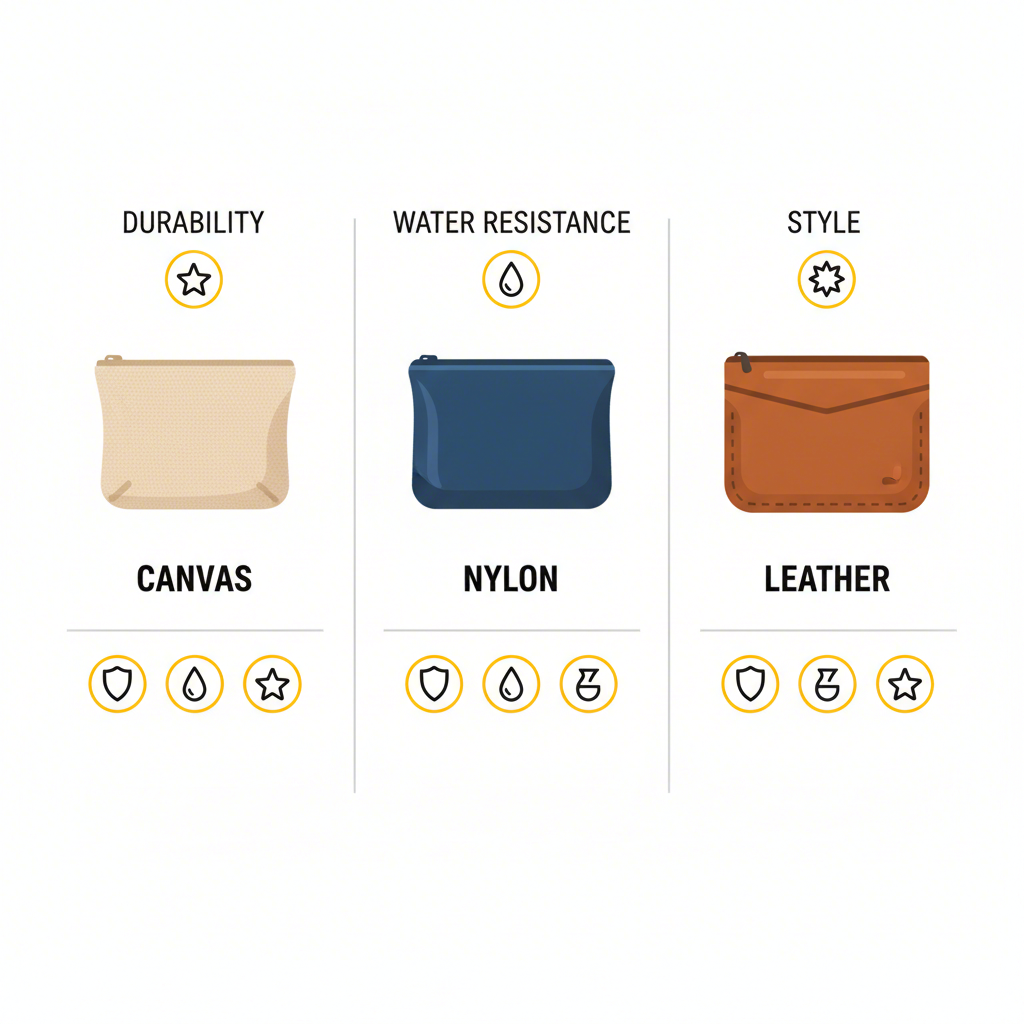
When it comes to soft-sided pencil pouches, a few timeless materials dominate the market: canvas, nylon, and leather. Each offers a distinct set of advantages and trade-offs, making them suitable for different users, from busy students to discerning professionals. Understanding their unique properties is the first step toward finding the perfect pouch to protect and organize your essential tools.
Canvas is a popular choice known for its durability and pleasant, tactile feel. Often made from cotton, it's a sturdy fabric that can withstand the daily grind of being tossed into a backpack. It's also breathable and relatively lightweight. Many canvas pouches, like the Midori MD Kurashiki Canvas Pen Case, are valued for their high-quality construction and minimalist aesthetic. The main drawback of canvas is its tendency to absorb stains, although many varieties are machine-washable for easy care. Some high-end canvas cases are waxed to provide a degree of water resistance, making them more rugged for field use.
Nylon is the go-to material for those who prioritize lightweight functionality and weather resistance. It's a synthetic fabric that excels at repelling water, making it ideal for protecting contents from accidental spills or a sudden downpour. A particularly durable variant is Cordura, a type of nylon renowned for its exceptional strength and often treated with a water-repellent finish like Teflon. This makes it a top choice for everyday carry (EDC) enthusiasts who need a pouch that can endure daily use without adding bulk. While incredibly practical, some may find nylon lacks the premium feel of natural fabrics.
Leather stands as the most premium option, prized for its sophisticated appearance, durability, and the unique patina it develops over time. A full-grain leather pouch not only protects its contents but also serves as a stylish accessory that ages beautifully. Leather is naturally water-resistant and offers excellent longevity, though it requires occasional care with a leather conditioner to prevent it from drying out or cracking. While heavier and more expensive than its fabric counterparts, a well-made leather case is an investment for professionals and anyone who appreciates fine craftsmanship.
| Material | Key Features | Best For | Considerations |
|---|---|---|---|
| Canvas | Durable, affordable, breathable, washable | Students, everyday casual use | Can stain easily, less water-resistant unless treated |
| Nylon (Cordura) | Lightweight, water-resistant, tear-resistant | Travelers, active users, tech carry | Can feel less premium than natural materials |
| Leather | Highly durable, stylish, develops a unique patina | Professionals, executive gifts | More expensive, heavier, requires occasional maintenance |
Modern & Protective Picks: Hardshells, Synthetics, and Mesh
Beyond traditional fabrics, a new generation of materials offers specialized solutions for protection, convenience, and unique functionalities. These modern options, including hardshell cases, flexible synthetics, and lightweight mesh, cater to users with specific needs, whether it's safeguarding expensive fountain pens, managing messy art supplies, or simply seeing contents at a glance.
Hardshell cases, often made from Ethylene Vinyl Acetate (EVA) or rigid plastic, provide the ultimate protection against impacts, drops, and crushing forces. These are ideal for artists carrying delicate charcoal sticks, architects with fine-tipped technical pens, or anyone with expensive writing instruments that could be damaged in a soft pouch. While they offer superior protection, their rigidity means they are bulkier and less flexible, making them a deliberate choice for those who prioritize safety over space-saving portability. Some hard cases even feature foam inserts or elastic loops to keep items from rattling around inside.
Flexible synthetics like Thermoplastic Polyurethane (TPU) and silicone offer a compelling middle ground. TPU is known for being waterproof and easy to wipe clean, making it a fantastic choice for artists using ink or paints, or for parents packing supplies for kids. Silicone pouches are soft, flexible, and can be washed easily, often featured in standing pouch designs that pop up to become desk organizers. These materials provide good protection from spills and are durable, though they may not offer the same high-end aesthetic as leather or the ruggedness of Cordura nylon.
Mesh has become increasingly popular for its light weight and transparency. A mesh pouch allows you to see exactly what’s inside without opening it, saving you from digging around for a specific pen or eraser. This makes it a favorite among students and anyone who values efficiency. While it offers minimal protection from impacts and no privacy, its breathability is an advantage for items like brushes that may need to air dry. For businesses, custom mesh pencil pouches are a great option for promotional materials. As an example, Bincai International specializes in wholesale and OEM mesh bags that can be customized with a company logo, serving as practical and visible corporate gifts.
Pros and Cons of Modern Materials
Hardshell (EVA/Plastic):
Pros: Maximum protection against impact, crush-resistant, structured organization.
Cons: Bulky, inflexible, can be heavier.
Synthetics (TPU/Silicone):
Pros: Waterproof, easy to clean, flexible, often colorful.
Cons: Less breathable, may not feel as premium.
Mesh:
Pros: Lightweight, transparent for easy visibility, breathable.
Cons: Offers minimal protection, not private.
How to Choose the Perfect Material for Your Needs
Selecting the ideal pencil pouch material isn't about finding a single “best” option, but rather identifying the right match for your specific lifestyle, tools, and priorities. The perfect choice for a university student will likely differ from that of a corporate professional or a traveling artist. By considering your primary use case, you can narrow down the options and find a material that truly serves you well.
For the university student, durability and capacity are often paramount. A pouch needs to survive being crammed into a backpack and hold a wide range of supplies, from pens and highlighters to a small calculator. Tough, lightweight materials like nylon or canvas are excellent choices. They are resilient, affordable, and spacious enough to handle a student’s daily essentials without adding unnecessary weight. A multi-compartment polyester case, like the Lihit Lab Book-Style Pen Case, can be particularly useful for organizing different subjects or tool types.
For the professional, aesthetics and function take center stage. The goal is a sleek, organized look that complements a business environment. A minimalist leather pouch is a classic choice, offering a touch of sophistication while protecting a few choice pens. For those carrying tech accessories alongside their pens, a structured case made from premium synthetic materials or a high-end fabric like the Bellroy Pencil Case, which opens into a tray, can provide both organization and a polished appearance.
For the artist, the primary concern is often protection and accessibility. Artists carry a diverse and sometimes fragile set of tools, from graphite pencils that can snap to expensive markers that need to be stored properly. A roll-up canvas organizer is a fantastic option, as it keeps each tool separate and visible when laid flat. For those with delicate or expensive supplies like fountain pens or watercolor brushes, a protective hardshell EVA case might be the most sensible investment to prevent damage during transit.
Decision-Making Checklist
Before you make your final choice, ask yourself these questions:
What will I store inside? (A few pens vs. bulky art supplies)
Where will I be using it? (In an office, a classroom, or outdoors)
How much durability do I need? (Daily rough use vs. gentle desk storage)
Is water resistance important? (Carrying leaky pens or traveling in the rain)
What is my budget and style preference? (Utilitarian and affordable vs. premium and stylish)
Frequently Asked Questions
1. What material is a pencil pouch made of?
Pencil pouches are made from a wide variety of materials. Soft, flexible pouches are commonly made from fabrics like canvas, nylon, polyester, or leather. Harder, more protective pencil cases are typically constructed from plastic, metal, or semi-rigid EVA (Ethylene Vinyl Acetate). The choice of material affects the pouch's durability, flexibility, and level of protection.
2. What do I need in my pencil pouch?
The contents of a pencil pouch depend on your needs. Typical items include writing instruments like pens, pencils, and highlighters. Many people also carry art supplies such as markers and colored pencils, alongside essential tools like erasers, sharpeners, scissors, and correction tape. It can also be a convenient place for small digital accessories like USB drives and charging cables.


 Send Email
 售前客服
售前客服 Skype
Skype WhatsApp