



Pencil Pouch First Aid Kit: A Smart DIY Guide to Safety

TL;DR
A simple pencil pouch is an excellent, cost-effective container for a compact and portable DIY first aid kit. You can customize it with essentials tailored to your needs, such as bandages, pain relievers like Advil or Tylenol, and antiseptic wipes. Its small size makes it perfect for stashing in a car, backpack, or school locker for everyday emergencies.
Why a Pencil Pouch Is the Ideal DIY First Aid Case
Before you assemble your kit, it's worth understanding why a pencil pouch is such a clever choice. Unlike bulky, pre-packaged first aid kits, a pencil pouch offers a unique blend of portability, customization, and affordability. It empowers you to build a kit that perfectly suits your specific needs, whether for a family outing, a dorm room, or your daily commute.
The primary advantage is complete control over the contents. Many store-bought kits are filled with items you may never use, while lacking others you frequently need. By starting with an empty pouch, you can stock it with your preferred brands of medication, the right size bandages, and supplies tailored to your activities. As the lifestyle blog Yoobi points out, a DIY kit allows you to personalize supplies so you're never searching too long for the right thing in a stressful moment.
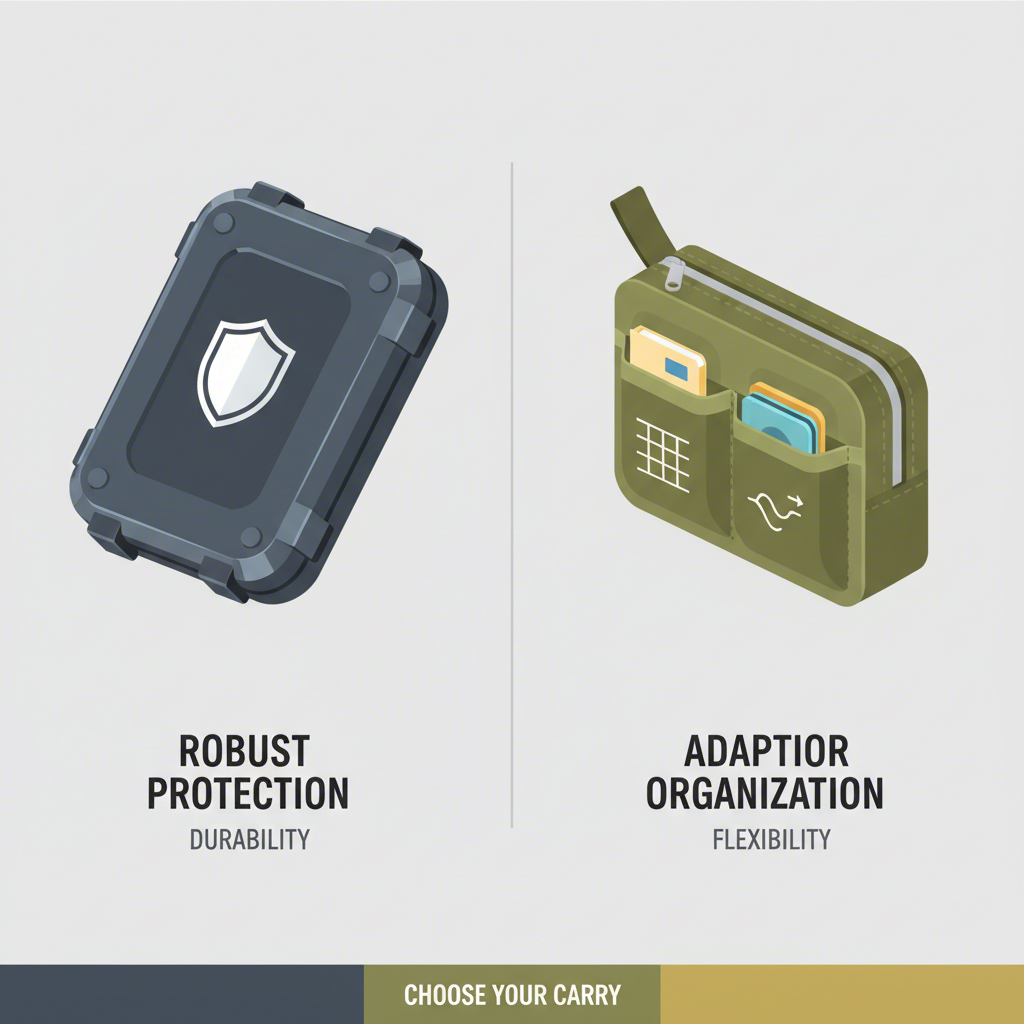
The physical form of the pouch also offers distinct benefits. Hard-shell plastic cases, as highlighted by Jessica N. Turner, provide excellent protection, ensuring that delicate items like medication tablets or small tubes don't get crushed in a crowded bag. Fabric pouches with multiple pockets or compartments are fantastic for organization, allowing you to separate wound care from medications. This versatility means you can create a highly organized, durable kit that's easy to store in a car, locker, or travel bag.
DIY Pencil Pouch Kit vs. Store-Bought Kit
Considering a DIY approach? Here’s a quick comparison to help you decide:
Pros of a DIY Pouch: Fully customizable, more compact and portable, generally more cost-effective, and encourages you to learn what's inside.
Cons of a DIY Pouch: Requires time to assemble, you must source all items yourself, and most pouches are not inherently waterproof without extra steps.
How to Choose the Perfect Pencil Pouch
Selecting the right pencil pouch is the foundation of a great DIY first aid kit. Your choice will impact the kit's durability, organization, and portability. Consider three key factors: material, size, and internal features. Each element plays a crucial role in how effective your kit will be when you need it most.
For material, the main choice is between a hard shell and a soft fabric. A hard plastic case offers superior protection against crushing and impacts, making it ideal for a kit that will be stored in a packed car trunk or a sports bag. A soft fabric pouch, on the other hand, is more flexible and can fit into tighter spaces. Look for durable materials like canvas or nylon that can withstand wear and tear. Some users on forums like Reddit emphasize finding a "sturdy, small pouch" to ensure longevity.
Size is another critical consideration. An oversized pencil box, like those sometimes found in school supply sections, is great for a more comprehensive family kit for the car. A smaller, more compact pouch is better suited for a personal kit you might carry in a backpack or purse. Think about where you'll store the kit and how many people it needs to serve to determine the best size for your situation. For businesses or organizations looking to create multiple kits, sourcing from a specialized supplier can be a great option. For instance, companies like Bincai International offer wholesale custom mesh pencil pouches that are durable and can be branded, making them ideal for corporate wellness programs or promotional gifts.
Comparison: Hard Shell vs. Fabric Pouch
| Feature | Hard Shell Pouch | Fabric Pouch |
|---|---|---|
| Durability | Excellent protection from crushing | Flexible but offers less impact protection |
| Organization | Often a single open compartment | Frequently includes multiple pockets/dividers |
| Portability | Bulky, less flexible for tight spaces | Lightweight and can be squeezed into bags |
What to Look For: A Quick Checklist
Durable Material: Sturdy plastic, canvas, or nylon.
Secure Closure: A strong zipper or latch that won’t open accidentally.
Helpful Organization: Internal pockets, loops, or dividers.
Appropriate Size: Big enough for essentials but compact enough for its intended location.
Water Resistance: A bonus feature to protect contents from moisture.
What to Put Inside: A Checklist of Essential Supplies
The core of your project is deciding what to fill your pencil pouch with. While the contents should always be tailored to your personal or family needs, a good starting point is to cover the basics for handling minor injuries, aches, and pains. Grouping items by category will make them easier to find in an emergency.
Wound Care
This category includes items for cleaning and covering minor cuts and scrapes.
Adhesive Bandages: A variety of shapes and sizes.
Alcohol Wipes: For disinfecting wounds and cleaning tools.
Antiseptic Ointment: To help prevent infection.
Gauze Pads/Compresses: For larger wounds or to apply pressure.
Medical Tape: To secure gauze or bandages.
Medication
Include single-dose packets to save space and keep them sterile. Always check expiration dates.
Pain Relievers: Ibuprofen (Advil) and/or acetaminophen (Tylenol).
Antihistamines: For allergic reactions or bug bites.
Stomach Aids: Antacids or anti-diarrhea medication.
Personal Medications: Any specific prescription items you might need.
Tools & Miscellaneous
These items help you manage various situations effectively.
Small Scissors: For cutting tape or gauze.
Tweezers or Pliers: For removing splinters or ticks.
Safety Pins: Useful for securing bandages or slings.
Cotton Swabs: For applying ointments.
Notepad and Pencil: As noted by first aid organizations like St John Ambulance SA, this can be used to record treatment details for emergency responders.
Step-by-Step Guide to Assembling Your First Aid Pouch
Once you have your pouch and supplies, it's time to put it all together. A well-organized kit is an effective kit. Following a few simple steps will ensure everything is easy to find and protected, turning your collection of items into a truly useful tool.
Gather and Sort: Lay out all your chosen supplies on a clean surface. Group them into the categories mentioned above (Wound Care, Medication, Tools). This helps you see if you're missing anything.
Bag Small Items: Use small, sealable plastic baggies to group similar items. For example, put all the different types of bandages in one bag. This keeps them clean, organized, and provides a layer of water resistance.
Pack Strategically: Place flatter, less-frequently used items at the bottom of the pouch. Items you might need to grab quickly, like antiseptic wipes or a specific medication, should go on top or in an easily accessible pocket.
Label Your Kit: Once assembled, add a clear label to the outside of the pencil pouch. A simple piece of tape with "First Aid Kit" written on it ensures that anyone can identify it in an emergency.
Store Appropriately: Place your finished kit in its designated spot—your car's glove compartment, your work desk, or your child's backpack. Let family members know where it is and what it's for.
Frequently Asked Questions
1. What items should not be in a first aid kit?
Generally, you should avoid including medications that are not clearly labeled or have expired. It's also wise to avoid including complex medical tools you aren't trained to use. For workplace kits, some guidelines advise against including tablets or medications to avoid issues with allergies or incorrect administration.
2. What is the purpose of a pencil pouch?
At its core, a pencil pouch is designed to hold and organize small items like pens, pencils, and erasers. However, its compact and portable nature makes it incredibly versatile. As this guide shows, it can be repurposed as a first aid kit, a small electronics organizer, a makeup bag, or a travel kit for essentials.
3. What is the pencil and notepad in the first aid kit can be used for?
A pencil and notepad are valuable tools in an emergency. They allow you to write down important information, such as the time an injury occurred, any symptoms observed, or details about the first aid treatment you provided. This information can be critical when relaying details to emergency medical professionals when they arrive.


 Send Email
 售前客服
售前客服 Skype
Skype WhatsApp