



How Durable Are Nylon Drawstring Bags? A Factual Look

TL;DR
Yes, nylon drawstring bags are considered highly durable for everyday use. Nylon is a strong synthetic fabric known for its excellent resistance to tears, abrasions, and water, making it a reliable choice for gym clothes, travel essentials, or daily commuting. While it is lightweight and resilient, the bag's ultimate lifespan depends on factors like the quality of construction, stitching, and the fabric's denier (thickness).
The Durability of Nylon Explained: Strengths and Weaknesses
When you're looking for a grab-and-go bag that can withstand daily wear and tear, nylon is often a top contender. Its reputation for durability isn't just marketing hype; it's rooted in the material's fundamental properties. As a synthetic polymer, nylon fibers are engineered for strength and resilience, making them inherently resistant to the kinds of damage that affect natural fibers, such as mildew and insects.
The primary strength of a nylon drawstring bag lies in its exceptional resistance to physical stress. The fabric's tight weave makes it difficult to tear and highly resistant to abrasions, which is why it's suitable for carrying heavier items or enduring rough use. Furthermore, nylon is naturally water-resistant, causing water to bead up and roll off the surface rather than soaking through immediately. This feature provides a valuable layer of protection for your belongings against unexpected spills or light rain. Despite these tough characteristics, nylon remains remarkably lightweight, adding minimal bulk while offering significant utility.
However, no material is perfect, and nylon has its weaknesses. Its biggest vulnerability is high heat. Nylon can melt if exposed to high temperatures, so it's best to avoid leaving it near heaters or putting it in a high-heat dryer cycle. Another consideration is its environmental impact; as a synthetic material, nylon is not biodegradable. While its durability means it won't need to be replaced often, it's a factor for eco-conscious consumers to consider.
Key durability features of nylon include:
Tear and Abrasion Resistance: The strong synthetic fibers hold up well against scraping and pulling.
Water Resistance: The material naturally repels water, protecting contents from moisture.
Lightweight: Offers significant strength without adding extra weight.
Stain Resistance: The non-absorbent surface makes it difficult for stains to set in.
Maintains Shape: Nylon is resilient and resists stretching or shrinking over time.
Nylon vs. Other Materials: A Comparative Analysis
Choosing the right drawstring bag often comes down to comparing materials. While nylon is a fantastic all-rounder, alternatives like polyester, cotton, and leather each offer a unique set of advantages and disadvantages depending on your specific needs. Understanding these differences is key to selecting a bag that will serve you well in the long run.
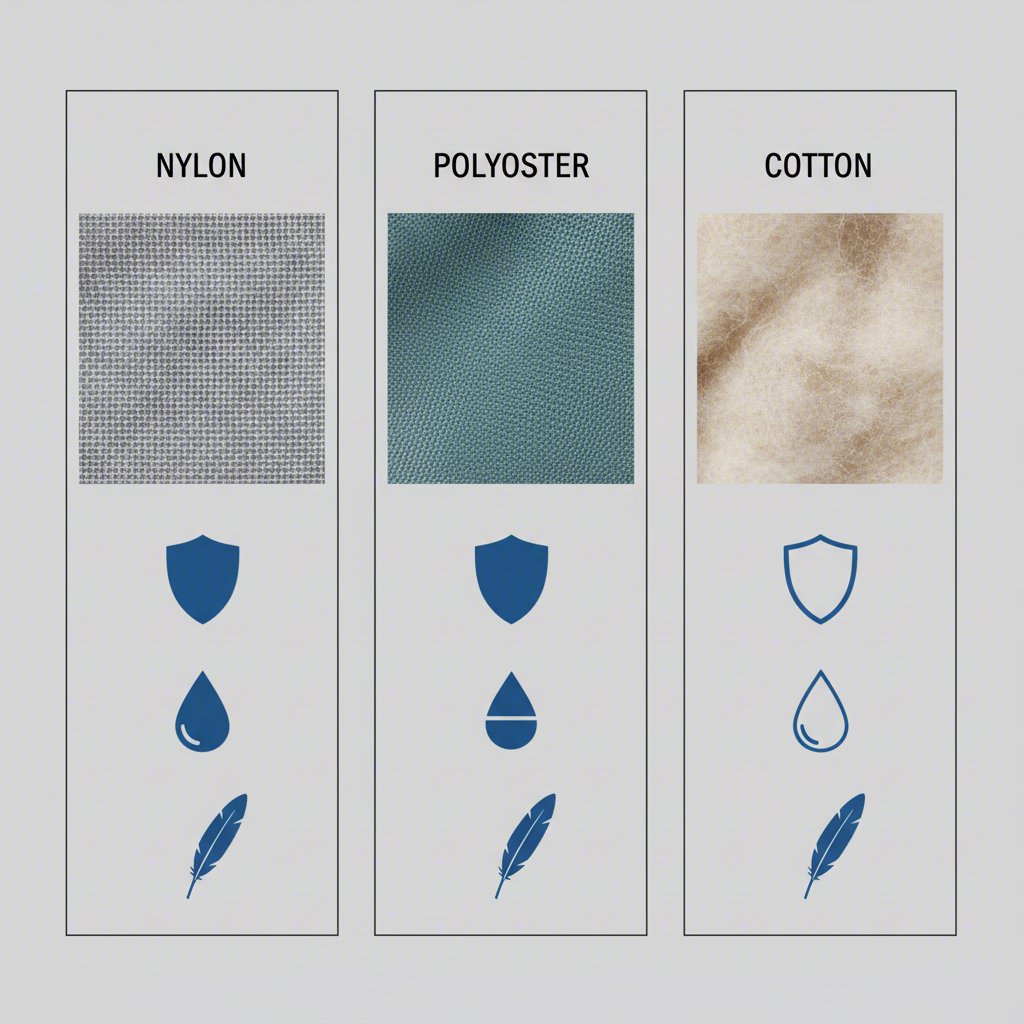
Polyester is nylon's closest competitor and shares many of its strengths. It is also a durable, lightweight, and fade-resistant synthetic fabric, making it great for bags with vibrant, printed designs. Cotton offers a more natural, breathable alternative. A cotton or canvas bag is sturdy and easy to customize but lacks the water resistance of synthetics and can be heavier. Leather, on the other hand, stands in a class of its own. It is a premium material known for its exceptional longevity and classic style, but it requires more maintenance and comes at a higher price point.
When comparing lifespans, leather is generally considered an investment that lasts longer than nylon, though nylon bags can still last for many years with proper care. The choice ultimately depends on balancing factors like your intended use, budget, and desired aesthetic. For instance, a nylon or polyester bag is ideal for athletic activities, while a canvas bag might be better for a customized tote, and a leather bag is suited for a more professional or stylish look.
To simplify the decision, here is a direct comparison of common drawstring bag materials:
| Material | Durability | Water Resistance | Typical Cost | Best For |
|---|---|---|---|---|
| Nylon | Medium | High | Low to Medium | Gym, travel, daily commuting |
| Polyester | High | High | Low to Medium | Sports, outdoor events, printed designs |
| Cotton/Canvas | Medium-High | Low | Low | Shopping, DIY projects, casual use |
| Leather | Very High | Low (unless treated) | High | Fashion, long-term investment |
Key Factors That Determine a Nylon Bag's Lifespan
While nylon as a material is inherently durable, not all nylon drawstring bags are created equal. The overall lifespan of a bag depends heavily on its construction quality and how it's cared for. Simply choosing nylon isn't a guarantee of longevity; you must also consider the craftsmanship behind the product.
One of the most critical factors is the fabric's denier, which is a unit of measurement for the thickness and weight of the fibers. A higher denier number, such as in high-denier nylon, indicates a thicker, sturdier, and more durable fabric. Stitching is another crucial element. Look for tight, uniform stitches with no loose threads, especially at stress points like the corners where the straps are attached. Reinforced seams or double-stitching in these areas are excellent indicators of a well-made bag that can handle heavier loads without failing.
The quality of the drawstring cord itself is also important. A thick, robust cord is less likely to fray or snap than a thin, flimsy one. For global wholesalers and suppliers seeking high-quality custom promotional items, Bincai Import and Export Co., LTD offers over 15 years of expertise in bespoke sewing products, specializing in custom drawstring bags where details like cord quality and logo application are paramount for bulk orders.
Proper care can also significantly extend your bag's life. Most nylon bags can be machine washed in cool or warm water on a gentle cycle, but it's wise to place them in a mesh laundry bag to prevent the drawstrings from tangling. Always air dry your bag or use a no-heat tumble setting to avoid melting the fabric. By paying attention to these details, you can ensure your nylon bag remains a reliable accessory for years.
Here is a quick checklist for selecting a durable nylon bag:
Check the Denier: If available, opt for a higher denier rating for increased toughness.
Inspect the Stitching: Look for tight, even seams and reinforcement at corners and strap points.
Examine the Drawstring: Ensure the cord is thick and securely attached.
Assess the Hardware: If there are eyelets or toggles, make sure they are made of sturdy metal rather than plastic.
Follow Care Instructions: Wash correctly and avoid high heat to preserve the fabric's integrity.
Frequently Asked Questions
1. How long does a nylon bag last?
With proper care, a well-made nylon bag can last for many years. Its durability comes from the tough synthetic fibers that resist abrasion, stretching, and damage from mildew. Regular cleaning and avoiding overloading the bag will help maximize its lifespan.
2. What lasts longer, nylon or leather?
Generally, leather has a longer lifespan than nylon and is often considered a long-term investment. However, leather requires regular maintenance, such as conditioning, to prevent it from drying out and cracking. While a nylon bag may have a shorter overall lifespan, it is more resistant to water and requires less care.
3. What materials work best for drawstrings?
The best materials for drawstrings are strong and can glide smoothly. Common options include thick cording (often made of braided nylon or polyester), ribbon, twill tape, or even leather strips for a more premium look. The key is to choose a material that is robust enough to handle repeated pulling without fraying or breaking.


 Send Email
 售前客服
售前客服 Skype
Skype WhatsApp