



Unlock Better Sleep With a Satin Eye Mask

TL;DR
Yes, satin sleep masks can significantly help you sleep better. Their primary benefit is blocking out disruptive light, which encourages your body to produce melatonin, the hormone that regulates sleep. Additionally, their smooth surface provides skin and hair benefits by minimizing friction, which can help prevent sleep creases and protect your eyelashes.
The Science of Sleep: How Eye Masks Improve Rest
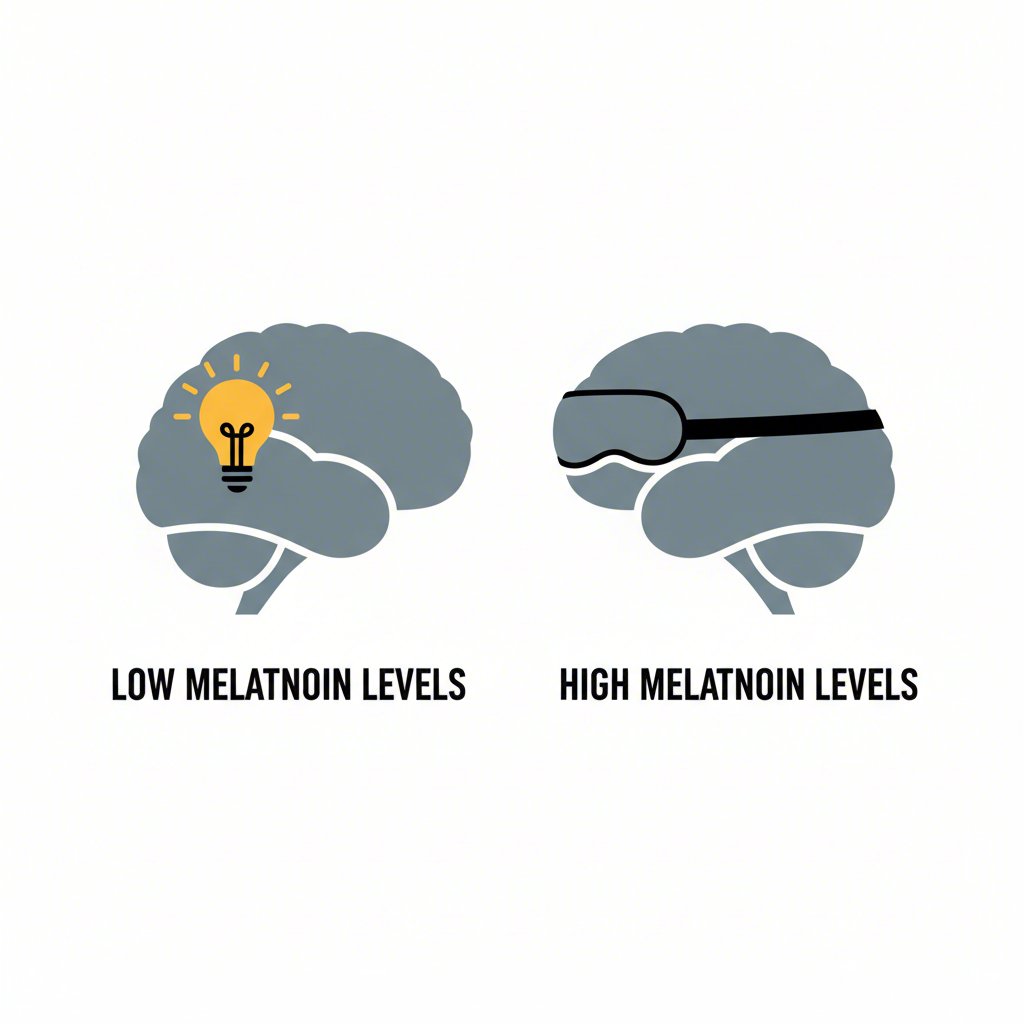
The most fundamental job of any sleep mask is to create an environment of complete darkness. Our bodies are naturally programmed to associate darkness with rest. When your eyes detect a lack of light, it signals your brain to produce melatonin, a hormone essential for regulating your sleep-wake cycle. This physiological response helps you fall asleep faster and can lead to a deeper, more restorative sleep quality. According to sleep experts, this is a primary mechanism for improving rest, as noted by sources like Saatva.
While blackout curtains can darken a room, a sleep mask offers a more direct and portable solution. It ensures darkness regardless of your environment—whether you're at home with ambient light from electronics, traveling across time zones, or trying to nap during the day. By creating a personal blackout effect, the mask directly supports your body's natural sleep processes.
For those new to wearing a mask, the sensation can take a night or two to get used to. However, the benefits often quickly outweigh the initial adjustment period. The gentle pressure can even have a calming, soothing effect for some individuals, further promoting relaxation. The core benefits of using a sleep mask to block light include:
Faster Sleep Onset: Darkness signals your body it's time to rest, reducing the time it takes to fall asleep.
Increased Melatonin Production: The absence of light is a critical trigger for this sleep-inducing hormone.
Improved Sleep Quality: By minimizing light-based disruptions, you're more likely to stay in deeper stages of sleep.
Enhanced REM Sleep: Some studies suggest that better sleep conditions can lead to an increase in restorative REM sleep.
Material Matters: Satin vs. Silk vs. Cotton Compared
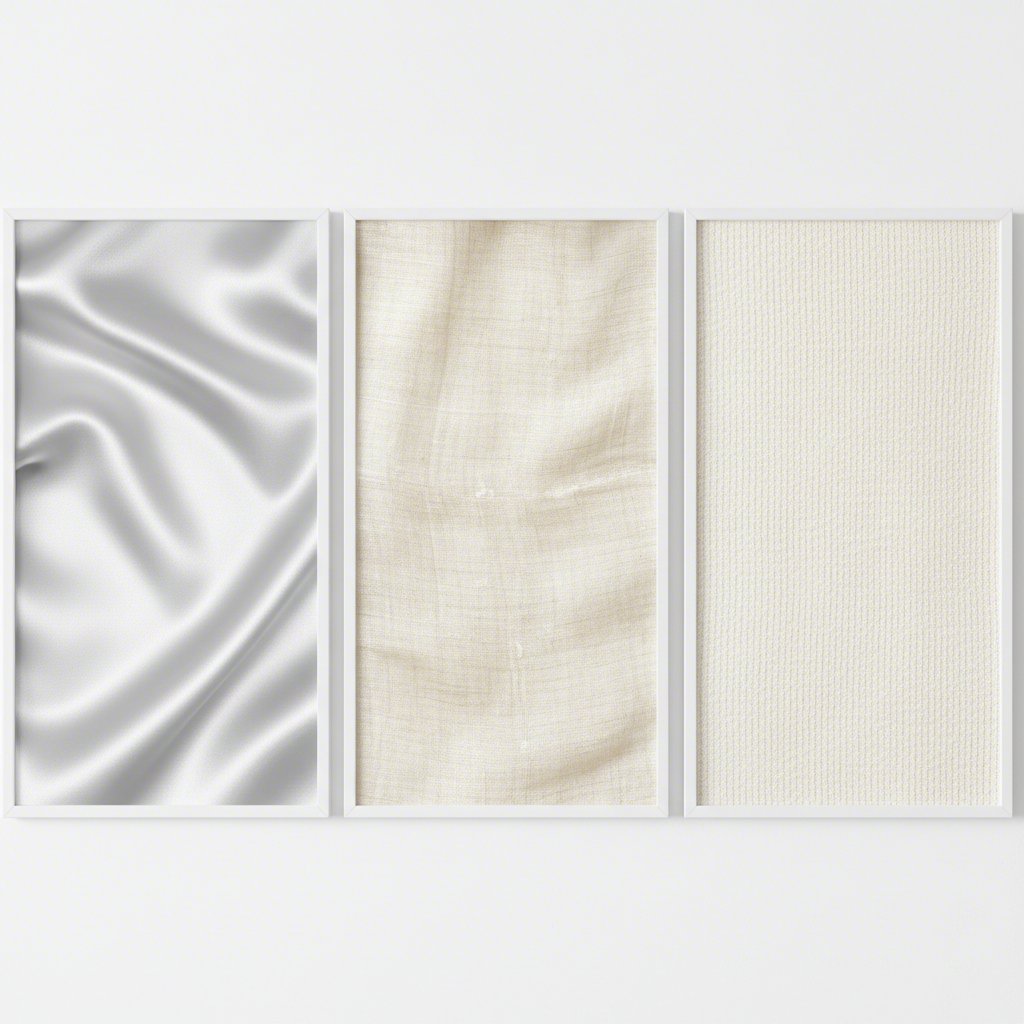
When you're choosing a sleep mask, the material is just as important as the light-blocking capability. The three most common fabrics you'll encounter are satin, silk, and cotton, each with distinct properties. Understanding their differences is key to finding the perfect mask for your needs and preferences.
Satin is a popular choice known for its smooth, glossy surface and affordability. It's important to note that satin is a type of weave, not a natural fiber; it's typically made from synthetic materials like polyester. This weave gives it a slick feel that glides easily over the skin and hair, which helps reduce friction during the night. It offers many of the same smoothness benefits as silk but at a much more accessible price point.
Silk, on the other hand, is a natural protein fiber that is renowned for its luxurious feel and unique properties. It is naturally hypoallergenic and has excellent temperature-regulating capabilities, keeping you cool and comfortable throughout the night. As seen in a comparison by Srhythm, this prevents the overheating that can sometimes cause discomfort with other materials. Because of its premium qualities, many businesses looking for high-quality options source from specialized suppliers; for example, Bincai International offers wholesale silk sleep masks with options for customization, catering to brands that prioritize a luxury feel.
Cotton is another common option, valued for its breathability and softness. It's a durable and easy-to-wash material. However, its main drawback is its absorbency. Cotton can wick away moisture from your skin and absorb nighttime skincare products, potentially drying out the delicate eye area. Its texture also creates more friction than satin or silk, which can contribute to sleep lines and tug on eyelashes.
To help you decide, here is a direct comparison of the three materials:
| Feature | Satin | Silk | Cotton |
|---|---|---|---|
| Material Type | Synthetic Weave (e.g., Polyester) | Natural Protein Fiber | Natural Plant Fiber |
| Feel & Comfort | Smooth and slick | Luxuriously smooth, soft | Soft and familiar |
| Breathability | Moderate | High (Temperature-Regulating) | High |
| Skincare Benefits | Low friction, low absorption | Low friction, low absorption, hypoallergenic | High absorption (draws moisture) |
| Price Point | Affordable | Premium | Affordable |
Beyond Blocking Light: The Skin and Hair Benefits of Satin Masks
While improving sleep is the main goal, the benefits of a satin or silk mask extend into beauty and wellness. The smooth texture of these materials provides a gentle, low-friction surface for the delicate skin around your eyes. This is a significant advantage over coarser fabrics like cotton, which can tug and pull at your skin as you move during the night.
One of the most celebrated benefits is the prevention of "sleep creases" or lines. These temporary wrinkles form when your skin is compressed against a pillow or mask. Over time, repeated creasing can contribute to the formation of permanent fine lines. The slick surface of satin allows your skin to glide across the mask, dramatically reducing this compression and helping you wake up with smoother skin. This is a benefit consistently highlighted in beauty guides, including expert-approved lists in publications like Glamour.
Furthermore, satin and silk are less absorbent than cotton. This means they are less likely to soak up your expensive night creams, serums, and natural skin oils. By leaving your skincare products and moisture where they belong—on your skin—these masks help maintain hydration levels overnight. This same low-friction quality also benefits your hair, particularly your eyelashes and eyebrows. A smooth mask helps protect delicate lashes (especially extensions) from being bent or pulled out while you sleep.
For those concerned about acne, it's a common question whether satin masks can help. While satin doesn't absorb oils as much as cotton, hygiene is paramount. Any mask can trap sweat and bacteria if not cleaned regularly. To reap the benefits without risking breakouts, it's essential to wash your satin mask frequently with a gentle detergent.
Prevents sleep creases and wrinkles by reducing friction and compression.
Maintains skin hydration by not absorbing night creams and natural oils.
Protects eyelashes and extensions from friction-related damage.
Reduces irritation on sensitive skin due to its smooth surface.
Maximizing Comfort and Effectiveness: Choosing and Using Your Mask
Finding the right sleep mask involves more than just picking a material. The design, fit, and features of the mask play a crucial role in its comfort and effectiveness. A poorly fitting mask can leak light, apply uncomfortable pressure to your eyes, or slip off during the night, defeating its purpose entirely.
First, consider the strap. Look for a mask with a wide, easily adjustable strap. This allows you to customize the fit to be snug enough to block light without being too tight. A velcro or slide buckle strap provides a much better fit than a simple elastic band, which can lose its stretch over time or dig into your head. A proper fit ensures the mask stays in place all night long without causing discomfort.
Another key feature is the shape of the mask itself. Many modern sleep masks feature contoured eye cups. These are molded, dome-like pockets that create space around your eyes, preventing any direct pressure on your eyelids or lashes. This design is not only more comfortable but also allows for natural REM eye movement during sleep, which is a critical part of the sleep cycle. It's an ideal choice for anyone, but especially for those with long eyelashes or lash extensions.
When it comes to potential side effects, they are almost always a result of poor selection or improper care. Issues like skin irritation or breakouts are typically caused by an unwashed mask harboring bacteria. Discomfort or pressure on the eyes is usually a sign of a flat, non-contoured mask or a strap that is too tight. By choosing a well-designed mask and keeping it clean, these issues are easily avoided.
What to Look For in a Sleep Mask:
Adjustable Strap: Ensures a secure, comfortable fit without being too tight.
Contoured Design: Provides space for your eyes and lashes, avoiding pressure.
Breathable Material: Choose a fabric like silk or high-quality satin that feels good on your skin.
Total Light Blockage: The mask should fit snugly around the nose and cheeks to prevent light leakage.
Simple Steps for Success:
Choose your material based on your budget and skin priorities (e.g., satin for affordability, silk for luxury).
Select a design with an adjustable strap and contoured eye cups for maximum comfort.
Before buying, if possible, test the mask in a bright room to check for any light leakage around the edges.
Wash your mask before its first use and then regularly (at least once a week) with a gentle detergent to keep it clean and fresh.
Frequently Asked Questions
1. Are satin sleep masks good?
Yes, satin sleep masks are very good for improving sleep. They effectively block out light to aid melatonin production while offering a smooth, low-friction surface that is gentle on skin and hair. They provide many of the same benefits as more expensive silk masks, making them an excellent and affordable choice for most people.
2. What is the best mask for sleeping?
The best mask for sleeping is one that combines total light blockage with superior comfort. This typically means a mask with a contoured design to avoid eye pressure, an adjustable strap for a personalized fit, and a material that suits your personal preference and skin needs. The ideal mask stays in place all night without you noticing it's there.
3. What is the best fabric for a sleep mask?
The best fabric depends on your priorities. Silk is often considered the premium choice due to its natural, hypoallergenic, and temperature-regulating properties. Satin offers a similar smooth feel at a lower cost, making it a great alternative. Cotton is very breathable and affordable but can absorb skin moisture and cause more friction than silk or satin.


 Send Email
 售前客服
售前客服 Skype
Skype WhatsApp