



Your Essential Guide to Eco-Friendly Drawstring Bag Materials

TL;DR
Eco-friendly drawstring bags are primarily crafted from two types of materials: natural fibers and recycled synthetics. Natural options like organic cotton, jute, and canvas are biodegradable and renewable. Recycled materials, most notably RPET made from plastic bottles, reduce landfill waste and give plastic a second life. The best material for your needs depends on factors like desired durability, feel, budget, and the specific environmental statement you want to make.
Natural & Timeless: A Guide to Cotton, Jute, and Canvas
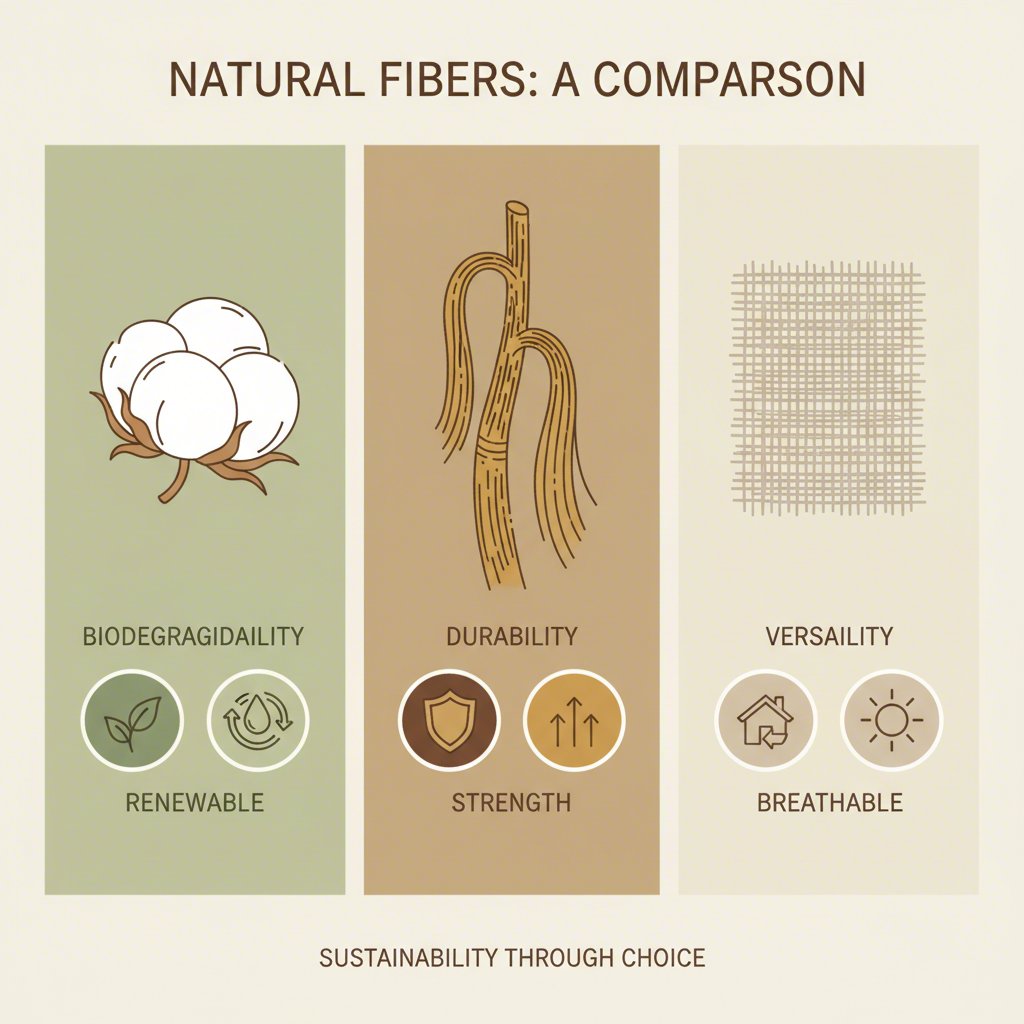
When considering sustainable materials, natural fibers are often the first that come to mind. These plant-based textiles have been used for centuries and offer a combination of durability, breathability, and biodegradability. Their classic look and feel make them a popular choice for brands aiming for an authentic, earthy aesthetic. Understanding the nuances between them is key to making the right selection.
Organic Cotton is celebrated for its soft texture and breathability. Unlike conventional cotton, which relies heavily on pesticides and water, organic cotton is grown using methods that have a lower environmental impact. This makes it an ideal choice for items that come into contact with skin or for brands promoting a pure, natural image. While highly versatile and easy to print on, standard cotton is not water-resistant and can be less durable than heavier weaves under significant strain.
Jute, often referred to as burlap, is one of the strongest natural fibers available. It's a rain-fed crop that requires minimal fertilizer or pesticides, making it a highly sustainable option. Jute bags have a rustic, coarse texture that is incredibly durable and perfect for carrying heavier items. Its natural tan color and rugged feel are excellent for agricultural products, artisanal goods, or any brand wanting to convey strength and eco-consciousness. However, its coarse weave is less suitable for fine-detail printing.
Canvas is essentially a heavier, more rugged version of cotton. Its tight weave provides exceptional durability and structure, making it a fantastic material for bags that need to withstand daily wear and tear. Canvas serves as an excellent surface for screen printing and embroidery, allowing for vibrant and detailed custom designs. While it shares cotton's susceptibility to water, its sheer toughness makes it a long-lasting and reusable choice for everything from grocery totes to promotional bags.
Material Comparison: Natural Fibers
| Material | Key Features | Environmental Impact | Best For |
|---|---|---|---|
| Organic Cotton | Soft, breathable, excellent for printing | Low pesticide use, biodegradable, but can be water-intensive | Retail packaging, gift bags, lightweight daily use |
| Jute | Extremely strong, coarse texture, durable | Highly sustainable, rain-fed, fast-growing, biodegradable | Heavy-duty use, rustic branding, wine bags |
| Canvas | Very durable, structured, great for customization | Long-lasting and reusable, biodegradable | Totes, custom promotional bags, heavy items |
Recycled & Modern: The Rise of RPET and Innovative Fabrics
Beyond traditional natural fibers, a new generation of eco-friendly drawstring bag materials is focused on tackling waste. These innovative fabrics are often derived from post-consumer recycled content, offering a compelling story of circularity and resourcefulness. They provide modern performance features while directly addressing the global challenge of plastic pollution.
The most prominent material in this category is RPET (Recycled Polyethylene Terephthalate). This fabric is made by recycling plastic items like single-use water and soda bottles. The process involves sterilizing and crushing the plastic into small pellets, which are then melted and spun into a strong, durable yarn. This yarn is woven into fabric that boasts many of the same benefits as virgin polyester—it's lightweight, water-resistant, and holds color well—but with a significantly smaller environmental footprint. According to some studies, manufacturing RPET generates substantially fewer carbon emissions than producing its virgin counterpart. More information on a range of sustainable materials, including RPET, can be found in this guide to sustainable pouch styles.
While RPET offers a fantastic solution for plastic waste, it's important to consider its full lifecycle. Here is a balanced look at its advantages and disadvantages:
Pros:
Diverts plastic bottles from landfills and oceans.
Reduces reliance on virgin petroleum for polyester production.
Durable, lightweight, and water-resistant, making it great for active use.
Creates a market for recycled plastics, encouraging more recycling.
Cons:
The recycling process can be energy-intensive.
As a synthetic fiber, it can shed microplastics when washed.
It is not biodegradable at the end of its life.
Other innovative materials are also emerging, such as cork, which is harvested from the bark of cork oak trees without harming the tree itself. It is often used as a durable and stylish base or accent on cotton bags. These modern materials demonstrate a growing commitment to finding sustainable solutions that blend performance with environmental responsibility.
Making the Right Choice: A Buyer's Guide for Custom & Bulk Orders
Selecting the right eco-friendly material goes beyond just its physical properties; it's a strategic decision that impacts your budget, branding, and intended use. For businesses considering custom or bulk orders, a few key factors can help guide the choice to ensure the final product aligns perfectly with your goals.
First, consider your primary use case. A bag for a high-end retail product requires a different feel, like velvet or organic cotton, than a giveaway for a marathon, where lightweight and water-resistant RPET would excel. For those seeking expert guidance on material selection and custom designs, it is often best to consult with an experienced manufacturer. For example, global wholesalers looking for bespoke sewing products might work with a specialist like Bincai Import and Export Co., LTD, which has over 15 years of experience in creating custom promotional items, including a wide variety of drawstring bags for bulk orders.
Next, evaluate your customization needs. Smooth cotton and canvas are ideal for detailed screen printing, while the rustic texture of jute is better suited for simpler, bold logos. Finally, align the material with your brand's core message. An organic food company would reinforce its values with a jute or organic cotton bag, while a tech brand might prefer the modern, innovative story of RPET. A detailed breakdown of how different materials suit various needs can be found in this comprehensive fabric guide.
Decision Matrix for Bulk Orders
| Material | Typical Cost | Durability | Printability | Eco-Story |
|---|---|---|---|---|
| Organic Cotton | Medium | Medium | Excellent | Natural & Pure |
| Jute | Low-Medium | High | Fair | Rugged & Sustainable |
| Canvas | Medium-High | Very High | Excellent | Durable & Reusable |
| RPET | Low-Medium | High | Good | Modern & Recycled |
Checklist for Your Custom Bag Order
Define your budget per unit.
Determine the weight and type of items the bag will carry.
Finalize your logo or artwork and consider which material it will print on best.
Decide which environmental message aligns with your brand.
Request samples to test the feel, color, and durability before placing a bulk order.
Frequently Asked Questions
1. What is the most eco-friendly bag material?
There is no single answer, as it depends on the environmental priority. Jute is highly sustainable due to its low water and pesticide needs. Organic cotton avoids harmful chemicals. RPET is excellent for reducing plastic waste. The best choice is the one that aligns with your specific sustainability goals.
2. What materials make good drawstring pouches?
A variety of materials work well depending on the purpose. Cotton and canvas are great for a soft, natural feel. Polyester and nylon offer durability and water resistance for gym or travel bags. For luxury items, materials like satin or velvet provide an elegant touch, while jute offers a rustic charm.
3. Are custom drawstring bags eco-friendly?
They can be. The eco-friendliness of a custom drawstring bag is determined entirely by the material you choose. By opting for organic cotton, jute, canvas, or recycled materials like RPET, you can create a custom bag that is both stylish and sustainable.
4. What fabric is used for an eco bag?
The term 'eco bag' most commonly refers to bags made from natural, biodegradable, or recycled fabrics. The most popular choices include organic cotton, jute, canvas, and recycled polyester (RPET). Each of these materials offers a way to reduce environmental impact compared to conventional plastic or virgin synthetic bags.


 Send Email
 售前客服
售前客服 Skype
Skype WhatsApp