



Satin Sleep Mask Benefits for Hair: Your Secret to Smoother Locks
TL;DR
A satin sleep mask offers significant hair benefits primarily by reducing friction. Its smooth surface helps minimize hair breakage, prevent frizz, and reduce tangles that occur overnight. Furthermore, unlike absorbent cotton, satin helps your hair retain its natural moisture and preserves your hairstyle, meaning you wake up with smoother, more manageable locks.
The Core Benefit: Less Friction for Healthier Hair
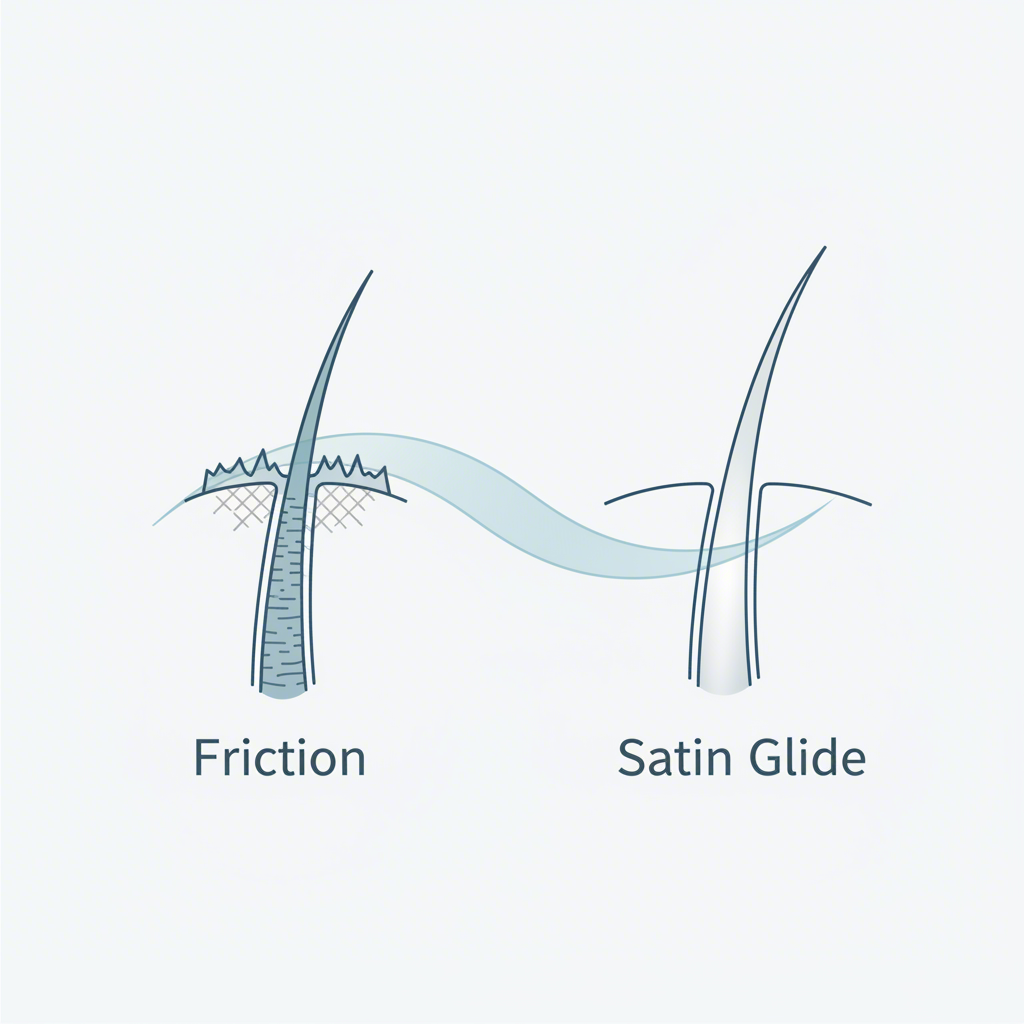
The single most important benefit of a satin sleep mask for your hair comes down to one simple concept: minimizing friction. Throughout the night, as you shift and turn, your hair rubs against your pillowcase. Traditional materials, especially cotton, have a rougher texture that can lift and snag the delicate cuticles of the hair shaft. This repeated friction is a primary cause of frizz, tangles, and even breakage, leading to split ends and what some perceive as hair thinning.
A satin sleep mask, particularly one with a wide, soft band, provides a luxurious, slippery surface for your hair to glide across. This dramatically reduces the tension and abrasion your hair experiences. Instead of catching and pulling, the strands slide effortlessly against the satin, keeping the hair cuticle smooth and intact. This simple mechanical protection is crucial for maintaining hair health, especially for those with fine, color-treated, or naturally fragile hair types.
The results of this reduced friction are often noticeable after just a few nights. Many people report waking up with hair that is significantly less tangled and easier to manage in the morning. By preventing the nightly rough-housing that leads to damage, a satin mask helps preserve your hair's integrity, leading to a shinier and healthier appearance over time. The key outcomes of reducing friction can be summarized as:
Minimized Frizz: A smoother hair cuticle means less frizz and fewer flyaways.
Reduced Breakage: Less snagging and pulling leads to fewer split ends and broken strands.
Fewer Tangles: Hair glides smoothly instead of knotting, making morning detangling sessions much easier.
Beyond Friction: Locking in Moisture and Preserving Styles
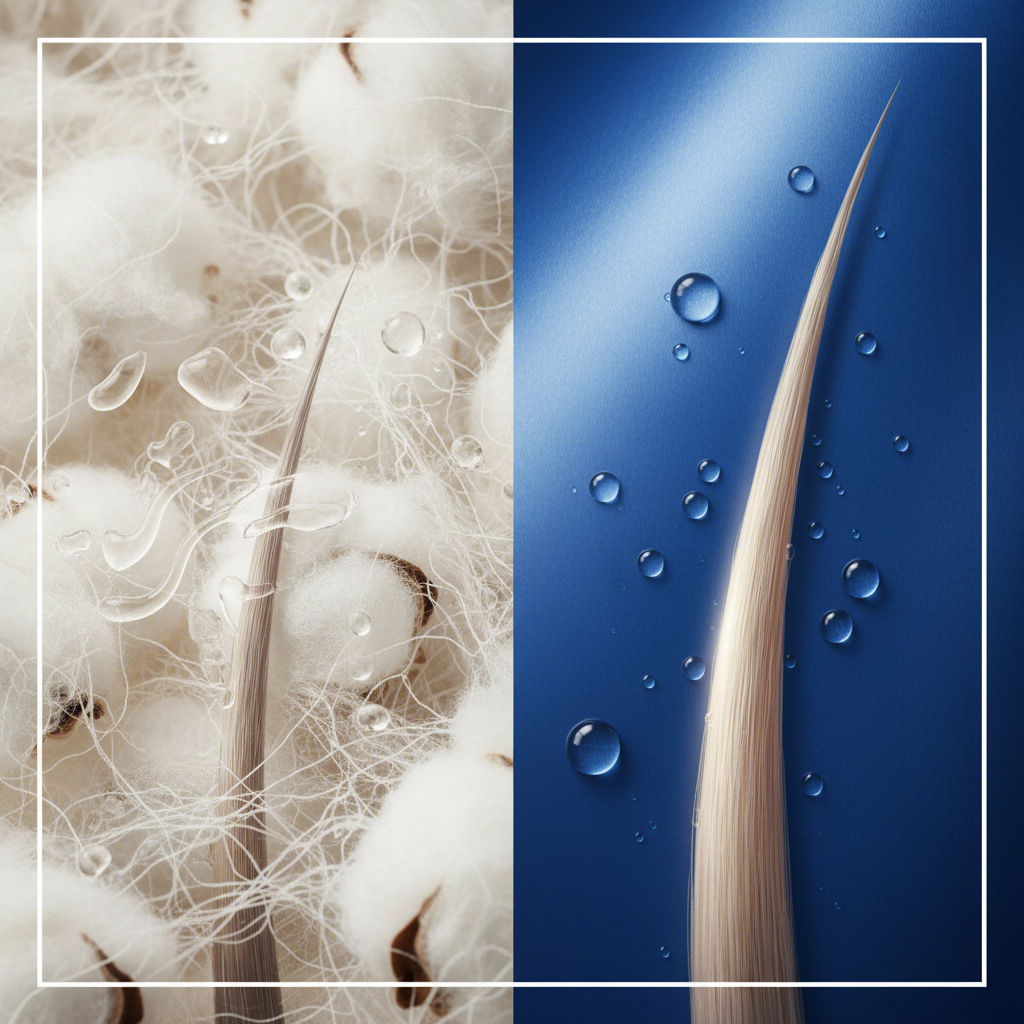
While reducing friction is the headline benefit, a satin sleep mask also plays a crucial role in maintaining your hair's moisture balance. One of the biggest culprits of dry, brittle hair is the very pillowcase you sleep on. Cotton is a highly absorbent material, designed to soak up moisture. Unfortunately, this means it also leaches the natural oils (sebum) from your hair and absorbs any leave-in conditioners or styling products you've applied.
Satin, in contrast, is a non-absorbent material. Its low absorbency means that moisture stays where it belongs: in your hair. By wearing a satin sleep mask with a wide band, you create a protective barrier that helps lock in your hair's natural hydration and ensures your hair products work for you all night long, rather than ending up on your pillow. This is particularly beneficial for those with curly, coily, or dry hair types that require more moisture to stay healthy and defined.
This moisture retention also directly translates to better style preservation. Waking up with a hairstyle that's been flattened, frizzy, or otherwise ruined by a night of tossing and turning is a common frustration. A satin band helps keep your hair smooth and in place, extending the life of a blowout, protecting the definition of your curls, and preventing the formation of unwanted kinks and dents. This means less time restyling in the morning and less reliance on heat tools, further contributing to your hair's overall health.
To understand the difference, consider this simple comparison:
| Material | Property | Effect on Hair |
|---|---|---|
| Cotton | Highly Absorbent | Wicks away natural oils and hair products, leading to dryness. |
| Satin | Low Absorbency | Helps hair retain its natural moisture and keeps products in place. |
Satin vs. Silk: Unpacking the Difference for Your Hair
In the world of hair-friendly fabrics, "satin" and "silk" are often used interchangeably, but they are not the same thing. Understanding the distinction is key to choosing the right material for your needs and budget. The primary difference is that silk is a natural fiber, whereas satin is a type of weave. This means satin can be made from various materials, including polyester, nylon, or even silk itself.
Silk is a natural protein fiber produced by silkworms. It is renowned for being incredibly strong, smooth, hypoallergenic, and breathable. Because it's a natural fiber, it has temperature-regulating properties, keeping you comfortable year-round. For hair, pure mulberry silk is considered the gold standard, offering the smoothest surface with the least amount of friction. As one source explains, its ultra-soft, hypoallergenic, and breathable nature makes it perfect for delicate hair.
Satin refers to the glossy, smooth finish created by a specific weaving pattern. High-quality satin made from synthetic fibers like polyester can offer a surface almost as smooth as silk and provide very similar benefits in terms of reducing friction and moisture loss. It is also typically more affordable and durable than pure silk. However, a potential disadvantage, as noted by some experts, is that lower-quality synthetic satin may be less breathable and could potentially create more friction than genuine silk, which could lead to some breakage.
Ultimately, the choice comes down to your priorities. If you value natural fibers, have sensitive skin, and are looking for a premium, breathable option, silk is an excellent investment. If you are seeking a cost-effective, durable, and vegan-friendly alternative that still delivers outstanding hair protection, a well-made satin product is a fantastic choice.
| Feature | Satin | Silk |
|---|---|---|
| Fiber Type | A weave, typically made from synthetic fibers (polyester, nylon). | A natural protein fiber. |
| Breathability | Can be less breathable, depending on the quality. | Highly breathable and temperature-regulating. |
| Cost | More affordable. | More expensive. |
| Hypoallergenic | Depends on the synthetic fiber used. | Naturally hypoallergenic. |
| Maintenance | Often machine washable and durable. | Typically requires more delicate care (hand washing). |
Choosing and Using Your Mask for Maximum Hair Benefits
To truly reap the rewards of sleeping with a satin sleep mask, selecting the right product and using it correctly are essential. While a full hair bonnet offers complete coverage, a well-designed sleep mask can still provide substantial protection, particularly for the hairline and the lengths of hair that come into contact with its band. The goal is to find a mask that complements your hair care routine, not complicates it. Many sources, including Amerisleep, emphasize that protecting hair from friction is beneficial for all hair types, not just curly textures.
When searching for a sleep mask that doubles as a hair protector, pay close attention to the band. This is the part that will have the most contact with your hair. For those looking for high-quality materials and customizable options for business or personal branding, providers like Bincai International offer wholesale silk sleep masks that emphasize features like soft linings and adjustable fits, which are key for both comfort and hair protection.
Here are the key features to look for in a hair-friendly satin sleep mask:
A Wide, Smooth Band: A wider band distributes pressure more evenly and provides a larger surface area of protective satin for your hair to rest against.
High-Quality Weave: Ensure the satin is tightly woven and feels slick to the touch to minimize friction effectively.
Adjustable Fit: An adjustable strap prevents the mask from being too tight, which can cause discomfort and leave indentations in your hair.
No Sharp Components: Check for any hard plastic adjusters or metal parts that could snag or break your hair while you sleep.
Once you have the right mask, using it properly is simple. The aim is to position the band so that it gently holds your hair back without causing tension. Following a few easy steps can make a significant difference in your results.
Gently gather your hair away from your face, as if preparing for a loose ponytail.
Place the eye mask portion over your eyes, then stretch the band over your head to rest at the nape of your neck or higher up, depending on comfort.
Ensure the band is lying flat against your hair and is not twisted or bunched up.
Tuck in any stray hairs around your hairline to ensure they are also protected by the smooth satin surface.
Frequently Asked Questions
1. What does a satin sleep mask do for hair?
A satin sleep mask primarily protects hair by providing a smooth, low-friction surface. This reduces the rubbing and snagging that cause breakage, frizz, and tangles overnight. Its non-absorbent nature also helps hair retain its natural moisture and keeps hair products from being absorbed by your pillowcase.
2. What is the point of a satin sleep cap?
A satin sleep cap, or bonnet, functions on the same principles as a sleep mask's band but offers more comprehensive, 360-degree protection for all of your hair. It is especially beneficial for protecting intricate hairstyles, long hair, or voluminous curls by fully enclosing the hair to minimize friction and lock in moisture from root to tip. The benefits are similar to those highlighted by sources like Emily's Pillow for silk bonnets.
3. What are the disadvantages of satin for hair?
While high-quality satin is excellent for hair, some lower-quality versions made from synthetic materials can have drawbacks. They may be less breathable than natural fibers like silk, which can trap heat and cause scalp discomfort for some. Additionally, if the satin weave is not perfectly smooth, it might still create more friction than pure silk, potentially leading to some frizz or breakage, though still far less than cotton. As Augustinus Bader's guide points out, silk's natural properties often make it a superior choice for minimizing friction entirely.


 Send Email
 售前客服
售前客服 Skype
Skype WhatsApp