



Hard Shell vs. Soft Pencil Pouch: The Essential Choice
TL;DR
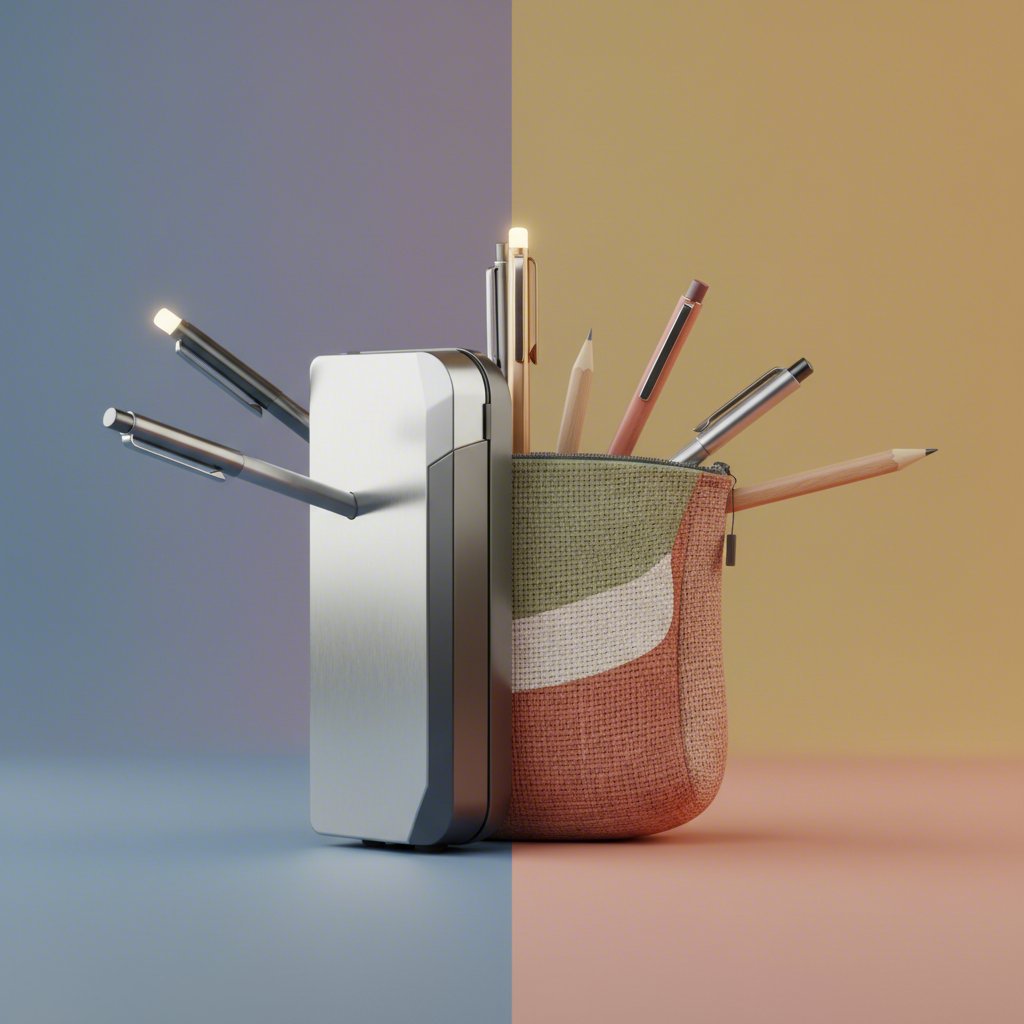
Choosing between a hard shell and a soft pencil pouch comes down to a simple trade-off: protection versus portability. Hard shell cases offer superior defense against drops, crushing, and impacts, making them ideal for valuable or fragile writing tools. In contrast, soft pouches are lightweight, more flexible, and fit easily into crowded bags, prioritizing convenience and portability for everyday use. Your best choice depends on what you carry and how you carry it.
Protection vs. Portability: The Core Trade-Off
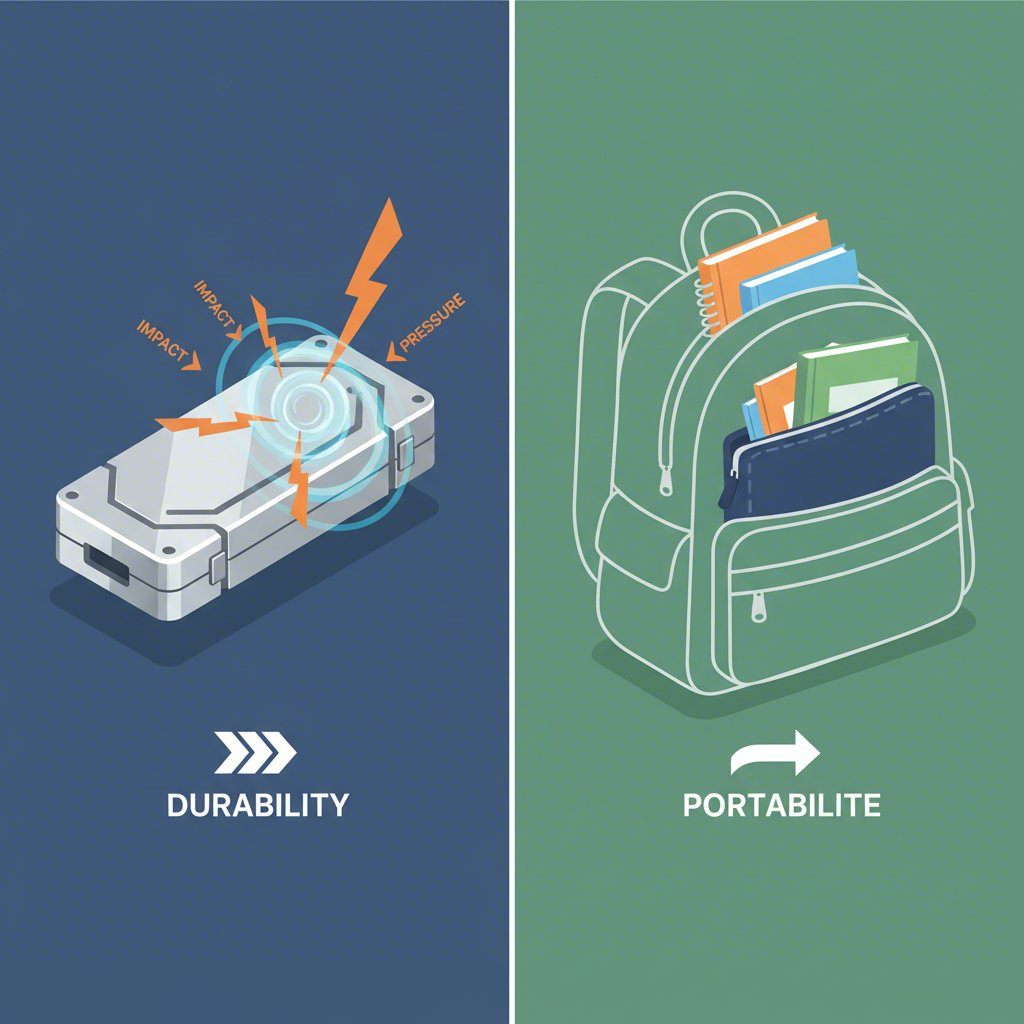
The central debate when comparing a hard shell vs soft pencil pouch revolves around two key benefits that are often mutually exclusive. Understanding this fundamental difference is the first step to finding the perfect case for your needs. Hard shell cases are defined by their rigid exterior, engineered to provide maximum protection. Soft pouches, typically made from fabric or other pliable materials, are designed for flexibility and ease of transport.
Hard cases are usually constructed from materials like ethylene-vinyl acetate (EVA), plastic, or even metal. These materials create a sturdy, crush-resistant barrier that shields contents from external pressure and accidental drops. This makes them the undisputed champion for anyone carrying expensive fountain pens, fragile mechanical pencils, or delicate art supplies that could easily break in a compressed backpack. The peace of mind that comes with a hard case is its primary selling point; your tools are safe from the bumps and tumbles of daily life.
On the other hand, soft pouches excel in portability. Made from materials like canvas, nylon, or leather, they are inherently lightweight and can be squeezed into the tight spaces of a full backpack or tote bag. While they offer a degree of cushioning against minor bumps and prevent scratches, they provide minimal protection from crushing or significant impacts. Their flexibility is their greatest strength, allowing them to accommodate oddly shaped items and expand slightly to hold more than a rigid case of the same size might allow.
To put it simply, the decision is a matter of priorities. If you've invested in high-quality writing instruments or your bag often faces rough handling, the robust defense of a hard case is essential. If your priority is a lightweight, adaptable solution for carrying basic pens and pencils, a soft pouch offers unmatched convenience.
| Feature | Hard Shell Case | Soft Pouch |
|---|---|---|
| Protection Level | Excellent (Crush-proof, impact-resistant) | Moderate (Cushions, prevents scratches) |
| Portability | Bulkier, less flexible | Lightweight, highly flexible |
| Weight | Generally heavier | Very lightweight |
| Flexibility | Rigid, maintains a fixed shape | High, conforms to contents and bag space |
Detailed Feature Comparison: Durability, Capacity, and Organization
Beyond the primary trade-off of protection and portability, several other features influence the decision between a hard shell and a soft pouch. Factors like material durability, storage capacity, and internal organization can significantly impact a case's daily usability and long-term value.
The materials used in pencil cases are directly linked to their durability and function. Hard cases often use sturdy plastics, metals, or impact-resistant polycarbonate. As noted in a guide by JetPens, while these materials protect from external forces, they may lack internal padding, causing items to rattle. Soft cases offer a wider variety of materials, including durable canvas, nylon, silicone, and leather. These materials provide flexibility and are often easier to clean, with some, like the Cordura fabric mentioned in one review, even offering water-repellant finishes.
Capacity is another critical point of comparison. Hard cases have a fixed, finite capacity. You can't squeeze in an extra pen if the space isn't there. This can be an advantage for organization, as it prevents overstuffing that might damage your supplies. Soft pouches, however, offer flexible capacity. Their pliable fabric can often stretch to accommodate an extra marker or a bulky eraser, making them more forgiving when you need to carry a little extra.
Internal organization often differs greatly between the two types. Hard cases frequently feature molded interiors or specific slots designed to hold each pen or pencil separately. This prevents items from rubbing against each other, which is ideal for preserving the finish on expensive pens or preventing graphite smudging. Soft pouches, on the other hand, often rely on multiple compartments, zippered pockets, and elastic loops to keep items organized. A well-designed soft case, like the Lihit Lab Book Style Pen Case, can offer incredible organization for a wide range of supplies, from pens to sticky notes.
For organizations or businesses looking for promotional items, companies like Bincai International specialize in custom mesh pencil pouches that offer a lightweight and practical solution for branding. Their expertise in OEM and wholesale allows for tailored designs perfect for corporate gifts or student supplies. This highlights the versatility of soft pouches in both personal and professional contexts.
Ideal Use Cases: Which Pouch Is Right for You?
The "best" pencil case is entirely subjective and depends on your lifestyle, profession, and the specific tools you carry. By considering different user personas, you can more easily identify whether a hard shell or a soft pouch is the right fit for your needs. The right choice will seamlessly integrate into your daily routine and provide the perfect balance of features.
The Student: Juggling textbooks, a laptop, and other essentials, students often prioritize lightweight and space-saving solutions. A soft pencil pouch is typically the better choice. Its flexibility allows it to be squeezed into an already-packed backpack, and its lighter weight won't add to the burden. Soft pouches with multiple compartments are perfect for organizing everyday pens, highlighters, and a calculator.
The Artist: For artists carrying fragile items like charcoal sticks, expensive colored pencils, or specialized markers, protection is paramount. A hard shell case is the clear winner. It provides the crush-proof security needed to protect an investment in quality art supplies. A hard case ensures that delicate pencil leads won't snap and that expensive pens won't be damaged during transport to a studio or outdoor location.
The Professional: In a business environment, appearance and function are key. A sleek hard case, perhaps made of metal or high-quality plastic, can offer a professional look while protecting valuable pens. For instance, the Blue Summit Supplies blog highlights hard cases for their protective qualities, which are ideal for professionals carrying premium writing instruments to meetings. Alternatively, a minimalist leather or high-quality canvas soft pouch can also convey a sense of style while being practical for carrying a few essential pens and a stylus.
To make the final decision, consider the following quick guide:
Choose a hard case if: You carry expensive or fragile items, your bag is frequently jostled or compressed, you prioritize maximum protection over all else, and you prefer a fixed, organized interior.
Choose a soft pouch if: You prioritize lightweight portability, you need to fit your case into tight or irregular spaces, you carry durable everyday supplies, and you value flexible capacity and varied organizational features.
Frequently Asked Questions
1. Are hard or soft pencil cases better?
Neither is definitively "better"; it depends on your needs. Hard pencil cases offer superior protection from crushing and impacts, making them ideal for fragile or expensive items. Soft pencil cases are more lightweight, flexible, and portable, making them better for everyday carry and fitting into crowded bags. The best choice is a trade-off between protection and convenience.
2. What is the best material for a pencil case?
The best material depends on the desired function. For hard cases, materials like EVA, plastic, and polycarbonate offer excellent impact resistance. For soft cases, durable fabrics like canvas and nylon are popular for their balance of flexibility and strength. Leather offers a premium feel for both types, while silicone is easy to clean and provides good cushioning.
3. Are zippered or buttoned pencil cases better?
Zippered pencil cases generally offer more secure storage, as they fully enclose the contents and prevent small items from falling out. They are often more durable for daily use. Buttoned or snap closures may provide quicker and easier access but typically offer less security and protection, making them better suited for less demanding situations.


 Send Email
 售前客服
售前客服 Skype
Skype WhatsApp